
I still remember the first apartment I moved into after college—a tiny, drafty studio that smelled perpetually of old cabbage and damp carpet. I spent a week’s worth of grocery money on these expensive, “luxury” scented candles and high-tech air purifiers, thinking they were the magic fix. All they did was create a weird, sickly-sweet cloud that masked the problem without actually solving it. It turns out, most of the advice you find online about how to get rid of household odors is just a way to sell you more plastic junk you don’t need. You don’t need a lifestyle upgrade or a designer fragrance to fix a stinky room; you just need to understand the source of the smell.
I’m not here to sell you on any overpriced aromatherapy sets or complicated chemical sprays. Instead, I’m going to show you how to tackle smells using basic stuff you probably already have in your pantry or under your sink. We’re going to focus on actual solutions—the kind of practical, low-cost methods I learned while trying to make my own cramped spaces livable on a budget. Let’s stop masking the scent and start actually cleaning your air.
Table of Contents
Eliminating Kitchen Smells Without the Fancy Gadgets
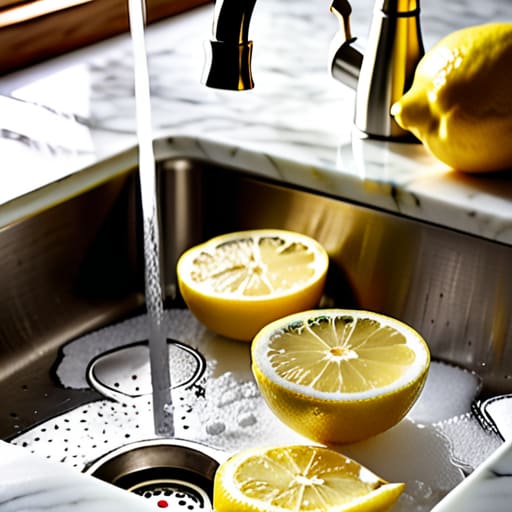
The kitchen is usually the heart of the home, but let’s be real: it’s also the primary source of that lingering “leftover salmon” or “garbage juice” scent. You don’t need a $50 automated diffuser to fix this. Most of the time, eliminating kitchen smells comes down to addressing the source rather than masking it. I always start by checking the sink disposal. If it smells like a swamp, drop a few lemon slices or a handful of coarse salt down there and run the disposal with cold water. It’s a cheap, quick fix that works better than any chemical spray I’ve ever bought.
If the scent is still hanging around, try the stovetop simmer method. It’s one of my favorite natural air freshener methods because it’s basically passive work. Grab a small pot, fill it with water, throw in some cinnamon sticks or citrus peels, and let it simmer on low. It softens the air and makes the place feel lived-in rather than neglected. Just don’t forget about it—I’ve definitely learned that lesson the hard way while working on furniture projects.
Neutralizing Bathroom Odors for a Fresh Clean Space
The bathroom is usually the smallest room in the apartment, but it’s also the one where smells tend to linger the longest. Whether it’s damp towel syndrome or just the general reality of using a toilet, you shouldn’t have to hold your breath every time you walk in. When it comes to neutralizing bathroom odors, I’ve learned that the secret isn’t a heavy floral spray that just masks the problem; it’s about managing moisture. I always keep a small bottle of white vinegar and some essential oils on hand. A quick wipe-down of the sink and floor with a vinegar solution does more for improving indoor air quality than any overpriced candle ever could.
If you want something that feels a bit more intentional, try a DIY simmer pot or a simple bowl of baking soda tucked in the corner of a cabinet. It’s one of those low-effort, high-reward habits. Also, don’t overlook the obvious: if your bath mat smells like a wet dog, it’s time for a wash. Keeping things dry is the most effective way to ensure you’re actually deodorizing your space rather than just layering perfume over a problem.
Quick Wins for a Fresh-Smelling Home
- Stop masking smells with heavy sprays. Most of those aerosol cans just layer “fake lavender” over the funk. Instead, grab a box of baking soda and leave it open in a small bowl near the source—it actually pulls the odor out of the air rather than just hiding it.
- Don’t ignore your textiles. Your couch, rugs, and even your curtains act like giant sponges for smells. Once a month, hit them with a quick vacuum and a light dusting of baking soda, let it sit for twenty minutes, and then suck it all up. It makes a massive difference.
- Clean your trash can, even if it looks fine. I learned this the hard way in my first studio apartment. Rinse the actual bin with some hot water and dish soap once a week. If you don’t, you’re just pouring old food scraps into a container that already smells like yesterday’s takeout.
- Check your drains. Sometimes that “old house” smell is just organic buildup in the pipes. Skip the expensive chemical cleaners and just pour some boiling water down there, or use a mix of baking soda and vinegar to clear out the gunk naturally.
- Let the air move. If it’s not freezing outside, open your windows for at least fifteen minutes a day. Stagnant air is an odor’s best friend. Even a small cross-breeze can flush out the stale energy and reset the vibe of your entire place.
The Quick Cheat Sheet for a Fresh Home
Stop masking smells with heavy sprays; focus on neutralizing the source using simple stuff like baking soda or vinegar first.
Tackle one room at a time so you don’t get overwhelmed—start with the kitchen or bathroom and work your way out.
Maintenance is easier than a deep clean; a little bit of regular airflow and quick spot-cleaning saves you a massive headache later.
## The Reality of a Fresh Home
“A house shouldn’t smell like a collection of expensive candles trying to mask a problem; it should just smell like nothing at all, because you actually took the time to fix the source.”
Owen Silas Vance
Keeping the Freshness Alive
At the end of the day, getting rid of smells isn’t about buying a dozen expensive, chemical-heavy air fresheners that just mask the problem. It’s about the small, intentional habits we talked about: tackling the source in the kitchen, keeping the bathroom drains clear, and using simple pantry staples like baking soda or vinegar to do the heavy lifting. Whether you’re scrubbing a stubborn stovetop or just remembering to empty the trash before bed, these tiny wins add up. The goal isn’t to have a house that smells like a sterile hospital, but to have a space that feels actually clean and manageable. Once you get the basics down, you’ll realize that maintenance is much easier than a deep clean.
I know that when you’re juggling a career and a million other things, a funky-smelling apartment can feel like one more thing on a mounting list of “adulting” failures. But trust me, it’s not. Taking control of your environment is a skill, and just like restoring an old chair or balancing a budget, it gets easier the more you do it. Don’t let a little odor make you feel like you don’t have your life together; grab your cleaning supplies, pick one spot, and just start doing it. You’ve got this, and your home will thank you for it.
Frequently Asked Questions
What if I've cleaned everything but the smell still won't go away?
If you’ve scrubbed the surfaces and emptied the bins but your place still smells “off,” the issue is likely hidden. Check your soft goods—curtains, rugs, and couch cushions trap odors like sponges. Toss them in the wash or sprinkle them with baking soda. If that fails, look at the invisible stuff: your HVAC filters might be dirty, or there’s a slow leak behind a wall. Don’t panic; it’s just a deeper layer of troubleshooting.
Are there any DIY deodorizers that won't damage my wood furniture or delicate surfaces?
Look, I get it. You don’t want to go in with heavy-duty chemicals and end up ruining a thrifted teak sideboard or a delicate veneer. Stick to the basics: baking soda is your best friend here. For furniture, skip the sprays. Instead, place a small, open bowl of baking soda or even some dried coffee grounds near the piece to absorb odors from the air. It’s passive, it’s cheap, and it won’t touch your finishes.
How often should I actually be deep-cleaning these areas to keep the smells from coming back?
Look, I’m not a fan of cleaning for the sake of cleaning, but if you want to stay ahead of the funk, consistency is everything. Aim for a deep clean of your kitchen once a month—scrub the drains and check the fridge for “science experiments.” For the bathroom, try every two weeks. If you wait until it smells, you’re already playing catch-up. Stay proactive, keep your notebook handy, and you’ll save yourself a massive headache later.