I used to think you needed a massive, custom-built mudroom with designer cubbies and matching wicker baskets just to keep a house from feeling like a disaster zone. But let’s be real: most of those “aesthetic” entryway tutorials are just expensive ways to hide clutter for a week before it inevitably spills back out. I grew up in a cramped apartment where space was a luxury we couldn’t afford, so I learned early on that learning how to organize your entryway isn’t about buying more stuff; it’s about making the stuff you actually own work for you.
I’m not here to sell you a lifestyle or a set of overpriced containers that will just end up collecting dust. My goal is to give you a practical, no-nonsense blueprint for reclaiming that small slice of space between your front door and your living room. We’re going to focus on high-impact, low-cost moves that actually stick, using things you probably already have or can grab for a few bucks. Let’s stop overcomplicating the process and just get your space sorted.
Table of Contents
Small Entryway Organization Tips That Actually Work
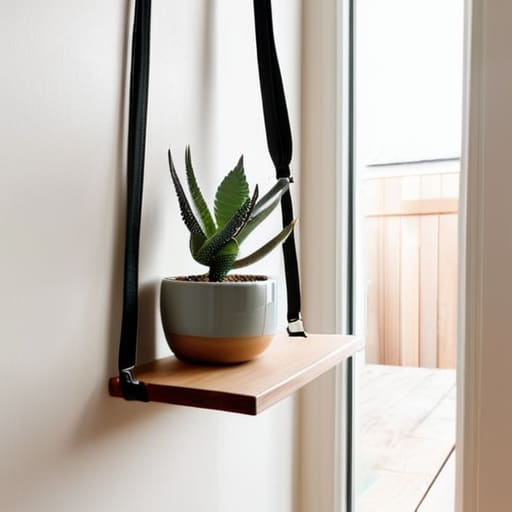
If you’re working with a tight footprint, you have to stop thinking about floor space and start looking up. When I moved into my first place, I realized that every square inch of floor taken up by a bulky shoe rack was space I didn’t have. Instead, I leaned into wall mounted entryway storage. A few sturdy hooks for bags and a floating shelf for your keys can keep the floor clear and prevent that “clutter pile” from forming near the door. It’s not about finding the perfect piece of furniture; it’s about using the vertical real estate you already pay for.
For those of us dealing with a constant influx of footwear, finding decent shoe storage solutions for foyers that don’t look like plastic bins from a big-box store is the real challenge. I’m a big fan of slim, tiered racks or even a simple basket tucked under a small bench. The goal is to keep the visual noise down. If you can see the floor, the room feels bigger. Keep it simple, keep it off the ground, and you’ll actually be able to walk into your home without tripping over a stray sneaker.
Smart Shoe Storage Solutions for Foyers and Floors
If you’re dealing with a narrow hallway or a tiny landing, the biggest mistake is letting shoes become a permanent obstacle course. I’ve learned the hard way that if there isn’t a designated spot for them, they’ll just end up in a pile by the door. For tighter spots, I’m a huge fan of wall mounted entryway storage. You can grab some slim, floating shelves or even those inexpensive wooden racks that keep your sneakers off the floor while still letting them breathe. It keeps the visual clutter down and makes the whole area feel less cramped.
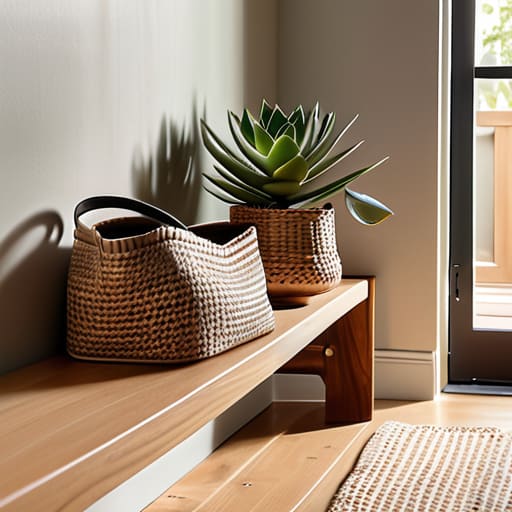
If you have a bit more breathing room, look into shoe storage solutions for foyers that double as seating. A low, sturdy bench with built-in cubbies is a total game-changer. It gives you a place to sit while you’re lacing up, and it hides the mess of mismatched flip-flops and boots behind a single, clean line. It’s all about finding that balance between entryway decor and function—you want it to look intentional, not like you just dumped your life on the floor.
Five Ways to Stop the Entryway Chaos Before It Starts
- Set up a “Launchpad” for your essentials. I keep a small tray or a dedicated bowl right by the door for my keys, wallet, and that multi-tool I always carry. If everything has a specific landing spot, you won’t spend twenty minutes frantically tearing the couch cushions apart looking for your keys when you’re already five minutes late for work.
- Use vertical space to get stuff off the floor. If you’re dealing with a cramped hallway, stop looking for more floor space and start looking at your walls. A few sturdy hooks for coats and bags can make a massive difference in how much room you actually feel like you have.
- Create a “Mail Station” to prevent paper clutter. Don’t just toss your mail on the first flat surface you see—that’s how a pile of junk mail becomes a permanent fixture of your decor. Get a small bin or even just a simple folder to sort through things immediately so the paper doesn’t migrate into the rest of your living space.
- Implement a “One In, One Out” rule for gear. We all tend to accumulate extra umbrellas, scarves, or heavy coats that we only use once a year. If you bring a new seasonal item into the entryway, try to donate or store an old one. It keeps the clutter from creeping up on you.
- Add a mirror to serve two purposes. A mirror isn’t just about checking your hair before you head out; it reflects light, which makes a narrow entryway feel way less claustrophobic. Plus, it’s a quick way to do a final “sanity check” on your outfit before you hit the door.
The Bottom Line
Stop trying to find the “perfect” aesthetic and just focus on function; if it doesn’t hold your keys or your shoes, it’s just clutter.
Use vertical space and cheap bins to reclaim your floor, because a clear walkway is the fastest way to make a small apartment feel less chaotic.
Build a system that actually fits your daily routine—if it’s too complicated to maintain, you won’t do it, so keep it simple.
The Real Goal of an Entryway
Your entryway shouldn’t be a high-stress obstacle course of discarded mail and rogue sneakers; it’s just the transition zone between the chaos of the world and the calm of your home. If you can manage that one small space, you’ve already won half the battle of keeping your life together.
Owen Silas Vance
Getting Over the Finish Line
At the end of the day, organizing your entryway isn’t about achieving some Pinterest-perfect showroom look that you can’t maintain for more than a week. It’s about making sure you aren’t hunting for your keys for ten minutes every single morning while you’re already running late. Whether you decided to invest in some heavy-duty shoe bins, cleared out the floor clutter, or just finally designated a specific hook for your daily bag, you’ve already done the hard part. The goal is to create a functional system that works with your actual life, not a hypothetical version of it. Focus on the small, repeatable wins—like putting your shoes back in their spot tonight—and the chaos will naturally start to recede.
I know that looking at a pile of mail and a mountain of footwear can feel overwhelming, especially when you’re already juggling a million other things. But remember, competence in your own home is a muscle you build one small task at a time. You don’t need a massive renovation or a huge budget to reclaim your space; you just need to start where you are. Once you get this entryway under control, you’ll realize that the sense of calm it brings into your home is worth every bit of the effort. Now, grab that multi-tool or a simple storage bin, and just get it done.
Frequently Asked Questions
I don't have a dedicated foyer or hallway; how do I organize an entryway when the front door opens directly into my living room?
Look, I’ve lived in spaces where the “entryway” is just a square foot of floor next to the sofa. If you don’t have a hallway, stop trying to force a foyer into existence. Instead, use “zones.” Grab a slim console table or even a sturdy floating shelf to create a landing strip for keys and mail. It defines the space without swallowing your living room. It’s about creating a boundary, not a room.
What’s the best way to handle heavy winter gear like coats and boots without making the space look like a cluttered closet?
The trick is to stop treating your entryway like a catch-all bin. For heavy coats, I swear by a sturdy wall-mounted rack with heavy-duty hooks—don’t use those flimsy plastic ones; they’ll sag under a puffer jacket. For boots, grab a boot tray to catch the slush and salt. If you have the space, a small bench with built-in cubbies keeps the bulk hidden and gives you a spot to sit while you’re wrestling those boots on.
I’m on a tight budget—what are some cheap DIY hacks for adding hooks or storage if I'm renting and can't drill into the walls?
Look, I get it. When you’re renting, those security deposit fears are real. If you can’t drill, don’t sweat it. Grab some heavy-duty Command hooks—just make sure you follow the weight instructions to the letter so you don’t end up with a hole in the drywall anyway. For more weight, try a freestanding leaning ladder shelf or a tension rod in a small nook. It’s not “designer,” but it keeps your keys off the floor.