I remember moving into my first studio apartment—a cramped, drafty place that always smelled faintly of damp carpet and old cooking grease. I spent a week thinking I needed a $500 high-tech air purifier with blinking LED lights just to feel like I wasn’t breathing in a construction zone. But honestly? Most of the “expert” advice you see online about how to improve indoor air quality is just a way to sell you expensive gadgets you don’t actually need. You don’t need a smart-home ecosystem to fix your lungs; you just need to understand how your space actually functions.
I’m not here to sell you on luxury filters or aesthetic lifestyle hacks that don’t work. Instead, I want to walk you through the practical, low-cost steps I’ve learned while managing tight budgets and small spaces. We’re going to talk about real solutions—like managing humidity, choosing the right plants, and knowing when to actually open a window. My goal is to give you a straightforward toolkit so you can take control of your environment without breaking the bank.
Table of Contents
Identify the Culprits Common Indoor Air Pollutants Hiding in Plain Sight

Before you start buying expensive gadgets, you need to know what you’re actually fighting. Most of us think of pollution as something happening in a factory miles away, but the real culprits are often sitting right on your coffee table or tucked inside your cleaning cabinet. One of the biggest invisible threats is the impact of VOCs on health—those “new car” or “fresh paint” smells that are actually volatile organic compounds off-gassing from your furniture, carpets, and even some cheap scented candles.
Then there’s the stuff you can actually see (or sneeze at). Dust mites, pet dander, and pollen are constantly circulating, making reducing household allergens a never-ending battle if you don’t know where they hide. Even your kitchen can be a source of trouble; cooking oils and combustion from gas stoves release fine particles that linger long after dinner is over. It’s easy to feel overwhelmed by these common indoor air pollutants, but once you identify the sources, you can stop reacting to the symptoms and start managing the environment.
The Voc Reality Check Understanding the Impact of Vocs on Health
When I first started restoring old mid-century sideboards, I realized that “cleaning” them often meant breathing in a cloud of chemical smells from old finishes and strippers. That’s the thing about Volatile Organic Compounds—they aren’t just scary science terms; they are the invisible chemicals off-gassing from your furniture, new rugs, and even your cleaning supplies. Understanding the impact of VOCs on health is less about being a germaphobe and more about realizing that your home shouldn’t be making you feel sluggish or giving you a constant headache.
These compounds don’t just sit still; they linger in the corners of your rooms, contributing to the mix of common indoor air pollutants that can trigger asthma or long-term respiratory issues. It’s easy to feel overwhelmed by the sheer amount of plastic and treated wood in a modern apartment, but you don’t need a laboratory to manage it. You just need to be intentional about what you bring through your front door and how often you let the outside air in.
5 Low-Effort Moves to Clear the Air
- Open your windows for ten minutes every morning. I know, it sounds basic, but a quick cross-breeze is the fastest way to flush out the stale air and CO2 that builds up while you sleep. Just crack them wide and let the house breathe.
- Stop treating your HVAC filter like it’s permanent. Check it once a month; if it looks gray or fuzzy, swap it. I keep a pack of the right size in my utility closet so I don’t have to make a special trip to the hardware store every time.
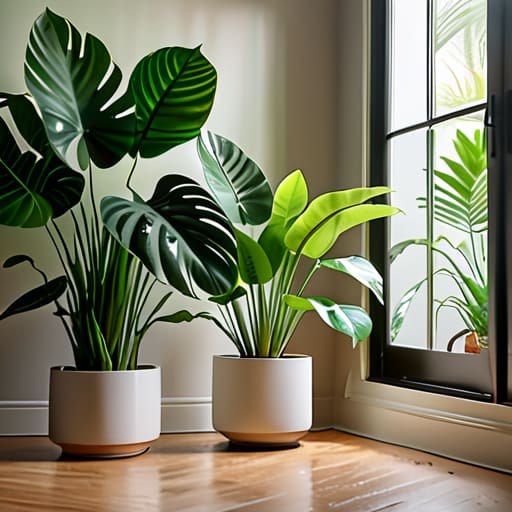
- Go easy on the “scented” stuff. Those plug-in air fresheners and heavy soy candles might smell nice, but they’re often just dumping more chemicals into the room. If you want a scent, try a few hardy plants like a Snake Plant or a Pothos—they actually do some work while looking good.
- Get a dedicated vacuum with a HEPA filter. If you’re just pushing dust around with a cheap broom, you’re making the problem worse. A decent vacuum actually traps the fine particles instead of just blowing them back into your breathing zone.
- Clean up your spills immediately and watch the humidity. If you leave damp towels hanging or have a leak under the sink, you’re basically building a playground for mold. Keep things dry, keep things moving, and you’ll avoid the heavy, musty air that makes a place feel suffocating.
The Bottom Line: Small Changes, Better Air
You don’t need a massive budget to fix your air; start with the basics like opening windows for a quick flush and swapping out cheap, scented candles for cleaner options.
Watch what you bring through the door—new furniture or even cheap rugs can off-gas chemicals, so try to prioritize low-VOC products whenever you can.
Consistency beats perfection; keeping a regular cleaning schedule and changing your HVAC filters isn’t glamorous, but it’s the most effective way to keep the dust and pollutants from settling in.
The Low-Cost Fix
“You don’t need a high-tech, thousand-dollar air purification system to breathe better; you just need to stop letting dust settle and start opening a window once in a while.”
Owen Silas Vance
Taking Control of Your Space
At the end of the day, improving your air quality isn’t about buying every expensive gadget on the market or turning your apartment into a sterile laboratory. It’s about making small, intentional shifts: swapping out those harsh chemical cleaners for something simpler, keeping a few hardy plants on your windowsill, and actually remembering to change your HVAC filters when they get grimy. We’ve looked at the hidden culprits like VOCs and dust, and while you can’t eliminate every single particle, you can certainly stop the buildup from becoming a health hazard. It’s about identifying the main offenders in your specific space and addressing them one by one rather than feeling overwhelmed by the whole concept.
I know that “adulting” can feel like a constant cycle of fixing things you didn’t even know were broken, but managing your environment is one of the most direct ways to take care of yourself. You don’t need a massive budget or a degree in environmental science to breathe easier; you just need to be a little more observant of what you bring into your home. Start with one small change today—maybe it’s opening a window for ten minutes or checking your air purifier. Once you start seeing the results in how you feel, you’ll realize that competence is built through these tiny, consistent actions. You’ve got this.
Frequently Asked Questions
Are air purifiers actually worth the money, or am I just paying for a fancy fan?
Look, I get it. Most of these machines look like expensive, minimalist sculptures that just blow air around. But here’s the deal: a regular fan just moves dust from the couch to your bed. A real air purifier—specifically one with a HEPA filter—actually traps the microscopic junk. If you’re dealing with allergies or a dusty apartment, it’s a solid investment. Just don’t buy the cheapest one; check the CADR rating first.
Can I fix my air quality just by opening windows, or is that actually making it worse?
It’s a bit of a balancing act. Opening windows is great for flushing out stale air and clearing out those VOCs we talked about, but it’s not a magic fix. If you live near a busy road or if the pollen count is through the roof, you might just be inviting more particulate matter inside. My rule of thumb? Open them wide for twenty minutes when the air outside feels fresh, then seal it back up.
Which houseplants are actually effective at cleaning the air versus just looking good on a shelf?
Look, I love a good aesthetic shelf as much as the next guy, but if you want actual results, don’t just buy whatever looks good on Pinterest. Most plants are just decor; you need the heavy hitters. Stick to Snake Plants, Spider Plants, or Peace Lilies. They’re the workhorses that actually pull toxins out of the air. They’re also hard to kill, which is a win for anyone on a budget.