I used to think that learning how to cook fish meant I needed a $50 specialized thermometer, a kitchen full of fancy herbs, and the kind of confidence only found in high-end seafood restaurants. Growing up in a house where we had to make every dollar count, I viewed “gourmet” cooking as something meant for people with way more breathing room than me. I spent years avoiding the seafood aisle entirely, convinced that I’d just end up with something dry, expensive, and completely inedible.
But here’s the truth: you don’t need a culinary degree or a massive budget to get this right. I’m going to show you how to cook fish using nothing more than a basic pan, some salt, and a little bit of timing. We’re going to skip the gatekeeping and the ridiculous, over-complicated techniques that most recipes try to sell you. My goal is to give you a straightforward, repeatable method that works every single time, so you can stop stressing about the price tag and just start eating well.
Table of Contents
Choosing the Best Fish for Beginners and Easy Wins
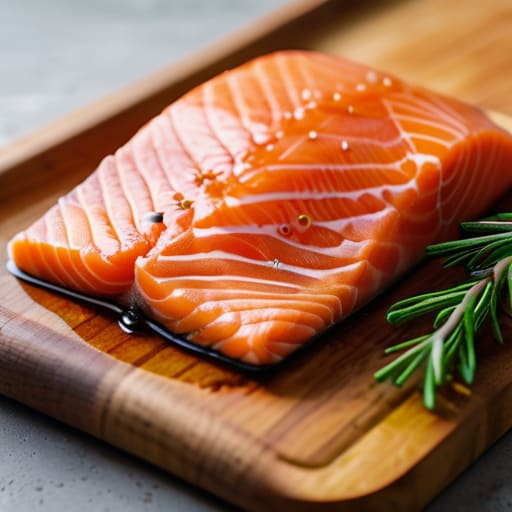
Look, I get it. Walking into the seafood counter can feel like a high-stakes test you didn’t study for. You’re staring at a wall of silver and white, wondering if you’re about to drop twenty bucks on something that’s going to taste like a rubber band. To keep things simple, start with the best fish for beginners: salmon or tilapia. Salmon is incredibly forgiving because of its higher fat content, which means it won’t dry out the second you look away from the stove. If you want something leaner and cheaper, tilapia or even cod are solid wins that won’t break your budget.
Once you’ve picked your protein, don’t stress too much about complex recipes. The secret to success is actually just knowing how to season seafood so you don’t mask the natural flavor. A heavy hand with salt, pepper, and maybe a squeeze of lemon is usually all you need. If you’re nervous about the texture, just remember that you aren’t looking for perfection; you’re looking for consistency. Stick to the reliable stuff first, build your confidence, and the fancy stuff will come later.
How to Season Seafood for Maximum Flavor Minimum Fuss
Look, you don’t need a spice cabinet full of expensive, hard-to-find ingredients to make this work. When it comes to how to season seafood, my rule of thumb is to let the fish do the heavy lifting. Start with the basics: high-quality kosher salt and freshly cracked black pepper. If you’re working with something milder, a squeeze of lemon and a drizzle of olive oil right before it hits the heat is usually enough to transform a boring fillet into something worth eating.
If you want to level up without adding complexity, think in terms of “flavor profiles” rather than recipes. For a Mediterranean vibe, grab some dried oregano and garlic powder. For something a bit punchier, a dash of smoked paprika goes a long way. Just remember to pat the fish completely dry with a paper towel before you season it. This is the single most important step for preventing fish from sticking to the pan and ensuring you actually get that golden-brown crust instead of a sad, steamed mess. Keep it simple, keep it clean, and let the heat do the rest.
The "Don't Mess It Up" Checklist
- Pat that fish bone-dry with paper towels before it touches the pan. If it’s wet, it’s going to steam instead of sear, and you’ll end up with a mushy texture that’s hard to salvage.
- Get the pan hot before you even think about dropping the fillet in. You want to hear that immediate sizzle; if you don’t, your fish is going to stick like it’s glued to the surface.
- Stop poking it. Once you put the fish in the pan, leave it alone. Let that crust form—it’s what creates the natural release from the pan so you don’t have to fight it with a spatula.
- Invest in a cheap digital meat thermometer. I used to guess by the look of the flakes, but that’s how you end up with a dry, rubbery mess. Aim for 145°F (63°C) and you’re golden every single time.
- Don’t forget the acid at the very end. A quick squeeze of fresh lemon or a tiny splash of vinegar right before you eat cuts through the richness and makes everything taste intentional rather than heavy.
The Bottom Line
Don’t go hunting for rare, expensive species; start with something forgiving like salmon or tilapia so you can build your confidence without the stress.
Keep your seasoning simple—salt, pepper, and maybe a squeeze of lemon—because you want to taste the fish, not a spice cabinet.
Trust your senses over a timer; if the flesh flakes easily with a fork, it’s done, and it’s time to eat.
The Golden Rule of the Pan
“Forget the fancy culinary school jargon; cooking fish isn’t about perfection, it’s about timing. Get your pan hot, don’t touch the fillet until it’s ready to let go of the metal, and stop treating it like a science experiment. Just cook it.”
Owen Silas Vance
Getting Comfortable in the Kitchen
At the end of the day, cooking fish isn’t about mastering some complex culinary technique or owning a kitchen full of expensive gadgets. It’s really just about three things: picking a reliable fillet, seasoning it with enough confidence to actually taste something, and not overthinking the heat. If you can manage to get a pan hot and keep an eye on the clock, you’ve already won half the battle. Remember, if you overcook it, you haven’t failed; you’ve just learned exactly what not to do next time. Keep it simple, keep your seasoning bold, and don’t be afraid to make a mess.
I used to think that “real” cooks had some secret intuition that I just wasn’t born with, but I’ve realized that’s mostly just gatekeeping. Cooking is a muscle, and every time you stand over a stove, you’re getting stronger. Whether you’re searing a piece of salmon after a long shift or trying a new white fish on a slow Sunday, just trust the process. You don’t need a perfect aesthetic or a Michelin star to feed yourself well; you just need the willingness to try. Now, go grab a pan and get to work.
Frequently Asked Questions
How do I actually tell if the fish is done without a fancy thermometer?
Look, you don’t need a $50 digital probe to know when your dinner is ready. I usually go with the “flake test.” Grab a fork and gently press down on the thickest part of the fillet. If it flakes apart easily along those natural lines, it’s done. You can also check the color—the flesh should change from translucent to opaque. If it looks matte and holds its shape, you’re good to go.
Is it okay to use frozen fillets, or am I going to ruin them?
Look, I’ve been there—staring at a bag of frozen fillets wondering if I’m about to turn dinner into a mushy disaster. Short answer: You’re fine. Frozen is actually a great way to save money and prevent waste. The trick isn’t if you use them, it’s how you prep them. Thaw them completely in the fridge first, and for the love of everything, pat them bone-dry with paper towels before they hit the pan.
How do I get that crispy skin without the whole thing sticking to my pan?
The “sticking” thing is the biggest fear for a reason—it’s frustrating and feels like a failure. Here’s the trick: pat that skin bone-dry with paper towels before it even touches the pan. Moisture is the enemy of crispiness. Get your pan hot, add enough oil to coat it, and once the oil shimmers, lay the fish in away from you. Then—and this is the hard part—don’t touch it. Let it sear.