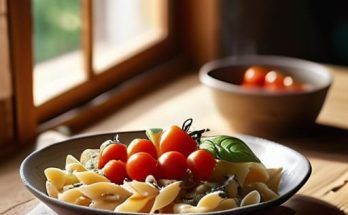
I remember sitting at my kitchen table in our cramped apartment, staring down a Tupperware container of limp, sad-looking pasta that felt more like a chore than a meal. Most “lifestyle” influencers would tell you that you need a massive pantry of exotic spices or a specialized meal-prep kit to make it work, but let’s be real: that’s just expensive gatekeeping. When you’re trying to balance a rent check and a grocery budget, you don’t need a culinary degree; you just need to know how to use leftovers without feeling like you’re eating garbage.
I’m not here to give you a list of complicated recipes that require ten new ingredients you’ll never use again. Instead, I’m going to show you the practical, no-nonsense methods I’ve used to turn yesterday’s scraps into actual, satisfying fuel. We’re going to talk about simple transformations—think bowls, wraps, and quick sautés—that save you time and money. My goal is to help you stop viewing extra food as a problem to be solved and start seeing it as a strategic win for your wallet and your schedule.
Table of Contents
Storing Leftovers Safely Without the Stress
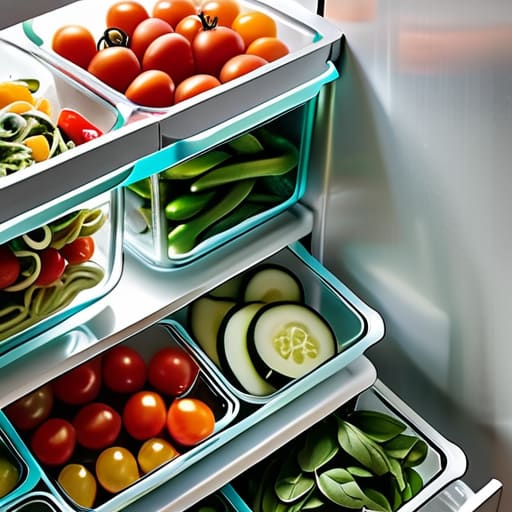
Look, I’ve learned the hard way that if you don’t have a plan for your fridge, you’re basically just throwing money into a landfill. Most people wait until they’re staring at a fuzzy container of mystery pasta to realize they messed up. To avoid that, you need a system for storing leftovers safely that doesn’t involve a mountain of single-use plastic. I’m a big fan of glass containers—they’re easier to clean, they don’t hold onto smells, and they actually last. Just make sure you aren’t letting food sit out on the counter for hours before it hits the fridge; that’s how you end up with a science experiment instead of dinner.
If you want to get serious about food waste reduction tips, start labeling your containers with a piece of masking tape and a marker. It sounds extra, but knowing exactly when that roasted chicken went into the fridge saves you from the “is this still good?” guessing game. I also try to keep my most perishable items at the front of the shelf. If you treat your fridge like a curated inventory rather than a junk drawer, you’ll find that meal prep with leftovers becomes a lot less of a chore and a lot more of a strategy.
Food Waste Reduction Tips for Busy People
If you’re like me, your biggest hurdle isn’t a lack of will; it’s just being too exhausted after a long shift to play chef again. The trick to effective food waste reduction tips isn’t about buying fancy gadgets; it’s about changing how you look at your fridge. Instead of seeing a container of plain roasted chicken as “yesterday’s dinner,” start seeing it as a component. I’ve learned that repurposing cooked proteins is the ultimate shortcut. That chicken becomes a quick taco filling or a shredded topping for a salad, cutting your active cooking time down to almost nothing.
Another thing that saves my sanity is the “component method” of meal prep with leftovers. Instead of boxing up complete, heavy meals that get soggy by day three, try storing your ingredients separately. Keep your grains, veggies, and proteins in distinct containers. This gives you the flexibility to mix and match them into something fresh every night. It stops the “leftover fatigue” that usually leads to ordering takeout, and it keeps your grocery budget from bleeding out through the trash can.
Five Ways to Turn "Old" Food into a New Win
- Master the art of the “Base Component” strategy. Instead of seeing leftover steak as a failed meal, see it as pre-cooked protein. Chop it up and throw it into a quick salad or a breakfast omelet tomorrow morning. It saves you twenty minutes of prep and keeps you from hitting the takeout apps.
- Build a “Rescue Sauce” toolkit. If your rice or pasta looks a little sad and dry, don’t toss it. A splash of soy sauce, a bit of pesto, or even just a fried egg and some sriracha can completely transform the texture and flavor profile.
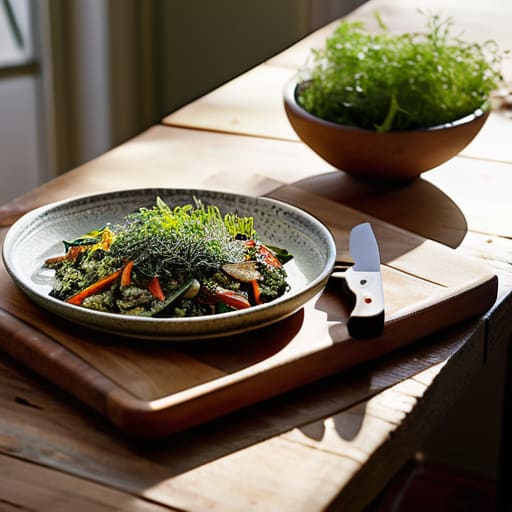
- Get creative with the “Grain Bowl” method. I do this constantly when my meal prep gets messy. Take whatever random grains, roasted veggies, or proteins you have left in the fridge, toss them in a bowl, add a crunch (like some toasted seeds or nuts), and you’ve got a high-quality lunch that feels intentional rather than accidental.
- Embrace the “Everything” Soup or Frittata. These are my go-to’s for when the fridge is looking sparse. If you have wilted greens, half an onion, and some random bits of cheese, they all belong in a pan or a pot. It’s the easiest way to clear out the crisper drawer before things actually go bad.
- Reheat with intention, not just desperation. If you’re reheating something with sauce, add a tiny splash of water or broth before you hit the microwave. It creates steam, which prevents that weird, rubbery texture that usually makes leftovers feel unappealing.
The Bottom Line: Eat Smarter, Not Harder
Treat your leftovers like inventory; if you know what’s in the fridge, you won’t end up panic-ordering takeout at 7 PM.
Don’t be afraid to get creative—a piece of roasted chicken isn’t just “old food,” it’s the base for a killer taco or a quick salad.
Invest in a few decent, airtight containers now so you aren’t constantly fighting with flimsy plastic wrap that never actually seals.
## The Real Value of a Second Act
“Leftovers aren’t just ‘old food’—they’re pre-prepped ingredients that save you time and money. When you stop seeing them as leftovers and start seeing them as a head start on your next meal, you stop wasting money and start actually managing your life.”
Owen Silas Vance
Making It Stick
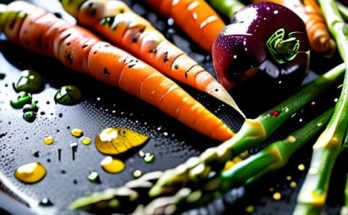
At the end of the day, getting good at using leftovers isn’t about becoming a gourmet chef; it’s about smarter systems. We’ve covered how to store your food properly so it actually stays fresh, and how to keep an eye on your inventory so nothing gets lost in the back of the fridge. Whether you’re turning last night’s roasted veggies into a quick grain bowl or repurposing a bit of protein for a midday wrap, you’re doing more than just eating—you’re protecting your time and your bank account. It’s those small, repetitive habits that eventually stop feeling like chores and start feeling like second nature.
I know it can feel overwhelming when you’re staring at a fridge full of containers and a long to-do list, but don’t let the pressure of a “perfect” meal stop you. You don’t need a Pinterest-worthy spread to make this work; you just need to start where you are. Every time you choose to repurpose a meal instead of ordering takeout, you’re building a level of competence that pays off long after the dishes are done. Stop overthinking the recipe and just get it done. You’ve got this.
Frequently Asked Questions
How do I know if my leftovers are actually still safe to eat or if they've crossed the line?
The “sniff test” is a good start, but don’t trust it blindly. Bacteria that cause food poisoning often don’t smell or look like anything. If it’s been sitting in the fridge for more than four days, I’m tossing it—no questions asked. If you see slime, fuzz, or a weird color change, that’s a hard no. When in doubt, throw it out. It’s not worth the gamble or the potential stomach ache.
Are there specific containers I should be using to keep everything from getting soggy or smelling up the fridge?
Look, don’t just grab whatever mismatched plastic tub you find in the back of the cabinet. If you want to avoid that “fridge smell” or soggy leftovers, invest in a few decent glass containers with airtight silicone seals. Glass doesn’t hold onto odors like plastic does, and it’s much better for reheating. For things like crispy leftovers, let them cool completely before sealing—trapped steam is the enemy of texture.
How can I mix and match random leftovers without it feeling like I'm just eating a bowl of scraps?
Think of leftovers as “components” rather than finished meals. If you have random bits—half a roasted chicken, some wilted spinach, and a scoop of quinoa—don’t just pile them on a plate. Instead, turn them into a base. Throw them into a wrap with a quick sauce, toss them into a grain bowl with a fresh squeeze of lime, or fold them into an omelet. It’s about reassembling, not just reheating.