
I remember sitting at my kitchen table three years ago, staring at a blank Google Doc and feeling like a total fraud. I had the degree, but I didn’t have the “professional polish” everyone on LinkedIn seemed to be talking about. I spent hours obsessing over fancy templates and trying to use big, hollow buzzwords that made me sound like a corporate robot instead of a real person. It’s a massive waste of energy. Most of the advice out there on how to write a resume is designed to make you feel like you need a $200 career coach just to get your foot in the door. Honestly? That’s just gatekeeping, and it’s time we stopped falling for it.
I’m not here to give you a lecture on corporate jargon or sell you a magic template. Instead, I’m going to show you how to strip your experience down to the essentials and build something that actually works. We’re going to focus on clarity over fluff and how to prove your value without the pretension. By the end of this, you’ll have a clean, functional document that gets you hired—no expensive shortcuts required. Let’s just get to work.
Table of Contents
Resume Writing for Beginners Stripping Away the Complexity
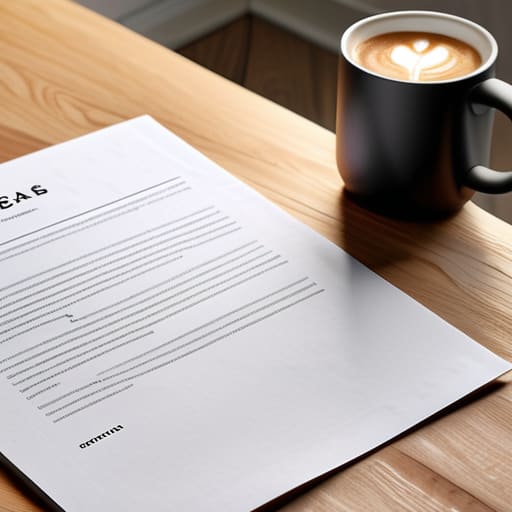
When you’re first starting out, the biggest mistake is thinking you need a fancy, multi-column design to look “professional.” Honestly, that’s a trap. Most companies use software to scan your info, so if you’re looking into ATS friendly resume optimization, simplicity is actually your best friend. I always tell people to stick to a clean, single-column layout. It’s easier for the machines to read, and it’s much easier for a tired recruiter to scan in ten seconds.
Instead of getting bogged down in whether you should use a chronological vs functional resume format, just focus on the meat of the document. If you have some work history, go chronological. If you’re pivoting from a totally different field, focus on your transferable skills. The goal isn’t to tell your entire life story; it’s to provide a roadmap of what you can actually do. Don’t try to be poetic. Just be clear, be concise, and get the facts down on the page so they can see your value without having to hunt for it.
Choosing Your Path Chronological vs Functional Resume Decoded
When you start looking at templates, you’re going to run into the classic debate of chronological vs functional resume formats. Don’t let the jargon intimidate you; it’s really just about how you choose to tell your story. Most people should stick to the chronological route. It lists your work history in reverse order, starting with your most recent gig. It’s the gold standard because it’s easy for a hiring manager to scan and, more importantly, it’s much better for ATS friendly resume optimization. If you’ve got a steady climb up the ladder, this layout shows that momentum clearly.
The functional approach is different—it focuses on skills rather than a timeline. I usually only suggest this if you’re making a massive career pivot or have some significant gaps in your employment history that you don’t want to highlight immediately. While it can help you group your talents, it can sometimes feel a bit “fluffy” to recruiters. My advice? If you can show a steady progression of responsibility, go with the chronological format. It keeps things transparent and lets your actual experience do the heavy lifting.
Five Ways to Stop Overcomplicating Your Resume
- Focus on impact, not just duties. Don’t just tell me you “managed a budget”; tell me you “managed a $5k monthly budget and cut waste by 10%.” Numbers are the easiest way to prove you actually know what you’re doing.
- Keep the formatting dead simple. You don’t need a fancy graphic design degree or a color-coded template to look professional. A clean, single-column layout in a standard font is much easier for both humans and automated scanners to read.
- Tailor your keywords like you’re building a custom piece of furniture. Look at the job description, find the specific skills they’re asking for, and make sure those exact words show up in your text. It’s not cheating; it’s being efficient.
- Cut the fluff and the “objective” statements. Nobody needs to read a paragraph about your “passion for growth.” Use that precious space to list your actual skills and the specific things you’ve accomplished.
- Proofread it like you’re checking a blueprint. One typo in your contact info or a glaring spelling error can make you look careless. Read it backward or read it out loud—it’s the only way to catch the small stuff before you hit send.
The Bottom Line
Pick a format that actually fits your history—don’t force a chronological layout if you’ve got gaps or a career pivot; just choose the one that makes your skills easiest to read.
Stop hunting for the “perfect” template and focus on the content; a clean, boring layout that’s easy for a human (and a computer) to scan beats a flashy design every single time.
Treat your resume like a living document, not a one-and-done task; keep it lean, keep it honest, and update it as soon as you gain a new skill or finish a project.
The Truth About the Paperwork
A resume isn’t some sacred, artistic masterpiece you need to spend weeks polishing; it’s just a tool to prove you can do the job, so stop obsessing over the font and start focusing on the facts.
Owen Silas Vance
Stop Perfecting, Start Sending
At the end of the day, a resume isn’t a masterpiece meant for a museum; it’s a functional tool designed to open a door. We’ve covered how to strip away the fluff, how to choose between a chronological or functional layout, and how to focus on what actually matters to a hiring manager. You don’t need a designer or a fancy template to prove your worth. You just need a clean, readable document that clearly communicates what you can do and how you can help a team. Remember, the goal isn’t to list every single thing you’ve ever done since high school—it’s to curate your best hits so a recruiter can see your value in ten seconds or less.
I know it feels heavy. When you’re staring at a blank page or trying to figure out how to word a job you barely liked, it’s easy to get stuck in analysis paralysis. But here is the truth: no resume is perfect on the first draft, and no amount of tweaking will help if you never actually hit “send.” Treat your resume like a piece of furniture I’m restoring—it might need some sanding and a bit of polish, but the foundation is already there. Get your experience down, check your formatting, and then get it out into the world. You’ve got the skills; now just go show them.
Frequently Asked Questions
How do I explain a gap in my employment without looking like I was just slacking off?
Look, employment gaps aren’t the career death sentence people make them out to be. The trick is to stop being defensive and start being intentional. If you were caretaking, traveling, or even just taking time to reset, frame it as a period of active decision-making. Use terms like “planned career break” or “personal sabbatical.” Focus on what you learned or how you stayed sharp during that time. Honesty, delivered with confidence, kills the suspicion of slacking.
Should I actually include my GPA and college clubs, or is that just cluttering up the page?
Look, I get the urge to pad the page when you feel like you don’t have enough “real” experience, but less is usually more. If your GPA is a 3.5 or higher, keep it—it shows discipline. If it’s lower, drop it; nobody cares about a number from three years ago once you’ve landed your first role. As for clubs, only include them if you actually did something, like managing a budget or organizing events. Otherwise, it’s just clutter.
Do I really need to write a different resume for every single job application, or is there a way to make one work for most of them?
Look, I get it. The idea of rewriting your life story every time you hit “apply” feels like a massive waste of time. Here’s the reality: you don’t need a brand-new resume for every single opening, but you can’t just use one static file either. Think of it like a modular toolkit. Keep a master version with everything, then pull out the specific “tools”—the keywords and bullet points—that actually match the job description.