I used to think that mastering the kitchen meant owning a dozen specialized gadgets and following a recipe that sounded more like a chemistry textbook than actual food. Honestly, the internet has made learning how to cook eggs feel way more intimidating than it needs to be, with all this gatekeeping about specific temperatures and “perfect” culinary techniques. Growing up in a cramped apartment where we had to make every dollar count, I didn’t have the luxury of fancy equipment or expensive organic farm-to-table setups; I just had a cheap pan and a need to eat.
I’m not here to sell you on some aesthetic, over-produced lifestyle. My goal is to strip away the fluff and give you the actual, repeatable steps to get a decent meal on your plate without the stress. I’m going to show you the fundamental methods that work every single time, whether you’re scrambling them for a quick breakfast or poaching them for a slightly fancier brunch. We’re going to focus on practical competence over perfection, so you can stop overthinking the pan and just start doing it.
Table of Contents
Mastering Egg Cooking Temperatures Without the Kitchen Stress
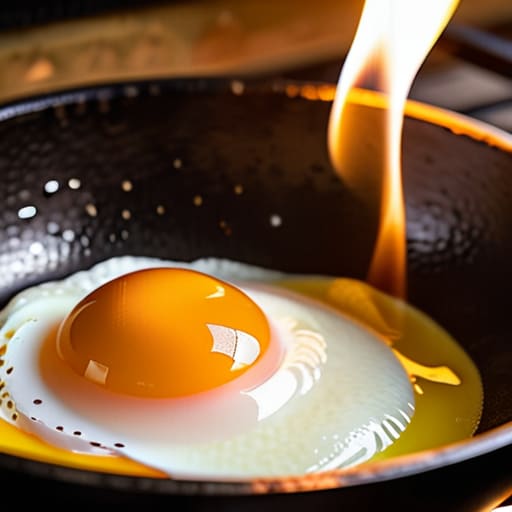
The biggest mistake I see people make is treating heat like an on/off switch. In reality, it’s more like a dimmer. If you crank your stove to high because you’re in a rush, you aren’t just cooking the egg; you’re basically rubberizing it. When I’m working on a quick breakfast before heading to the office, I always start with medium-low heat. This is the secret to achieving the right egg cooking temperatures without that dreaded sulfur smell or a tough, bouncy texture.
If you’re aiming for something more delicate, like a soft scramble, you need to pull the pan off the heat before you think it’s finished. Residual heat does most of the heavy lifting in those final seconds. On the flip side, if you’re looking for the best way to fry eggs with those crispy, lacy edges, you actually want a slightly higher heat and a bit more fat in the pan. It’s all about managing the energy. Once you stop fearing the dial on your stove, you’ll realize that most kitchen failures aren’t about your skill—they’re just about the temperature.
The Best Way to Fry Eggs Every Single Time
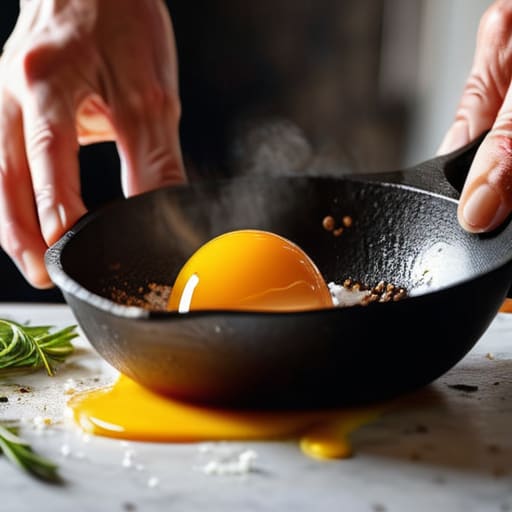
Look, if you’re tired of your eggs sticking to the pan or turning into a rubbery mess, it usually comes down to one thing: your fat and your heat. To nail the best way to fry eggs, skip the cheap vegetable oil and grab some real butter. I used to think I was doing it wrong because my whites were always tough, but the secret is patience. Melt the butter over medium-low heat until it starts to foam, then crack your egg directly into the center. You want that white to set slowly and become opaque without the edges turning brown and crispy unless that’s specifically what you’re going for.
Once the whites are mostly set, you have a choice. If you like them sunny-side up, just cover the pan with a lid for about thirty seconds; the trapped steam will cook the top of the whites without flipping the egg. If you prefer them over-easy, use a thin spatula to gently flip them. This is much more reliable than trying a complex poached egg technique when you’re running late for work. Just keep it steady, watch the edges, and you’ll get a perfect result every time.
Small Tweaks for Big Results
- Grab a non-stick pan if you can. I know, it’s not the most “aesthetic” choice compared to heavy cast iron, but when you’re trying to avoid a messy cleanup and a broken yolk, your sanity is worth the investment.
- Don’t cook straight from the fridge. I used to think it didn’t matter, but cold eggs hit a hot pan and cause the temperature to crash. Let them sit on the counter for ten minutes so they cook more evenly.
- Use a little more fat than you think you need. Whether it’s butter or a decent oil, that extra bit of fat acts as a buffer between the egg and the pan, making sure you get those crispy edges without sticking.
- Season at the very end. If you salt your eggs too early, especially when making soft scrambles, it can actually change the texture and make them a bit watery. Salt right before they hit the plate to keep them tender.
- Keep a spatula handy. I always keep a thin, flexible silicone spatula nearby. It lets you get under the edges of a fried egg without tearing the delicate white, which is a total game-changer for presentation.
The Bottom Line for Your Breakfast
Stop chasing the “perfect” aesthetic; focus on heat control and patience to ensure you don’t end up with rubbery whites or broken yolks.
Keep your tools simple—a decent non-stick pan and a spatula are more important than any high-tech gadget you’ll see on social media.
Treat egg cooking as a repeatable skill rather than a guessing game; once you master the timing, you can stop stressing and just enjoy the meal.
## The Core Philosophy
“Cooking an egg isn’t about following some high-stakes culinary ritual; it’s just about understanding how heat meets protein. Once you stop treating a frying pan like a bomb about to go off and start seeing it as a tool you can control, you’ve already won.”
Owen Silas Vance
Getting Comfortable in the Kitchen
At the end of the day, mastering eggs isn’t about having a professional-grade range or a culinary degree; it’s about understanding how heat interacts with what’s in your pan. We’ve covered how to dial in your temperature so you aren’t fighting a smoky kitchen, and we’ve looked at the specific mechanics of getting that perfect fry every single time. If you can manage your heat and respect the timing, you’ve already done the hard part. Keep your tools simple, keep your eyes on the pan, and don’t be afraid to tweak the flame if things look like they’re moving too fast.
I know that standing over a stove can feel intimidating when you’re just trying to get through a busy week, but these small wins matter. Learning to cook a basic egg is a building block—it’s one less thing to outsource and one more way to prove to yourself that you can handle the basics of life. Don’t sweat the occasional broken yolk or the slightly overdone white; that’s just part of the process. Just keep showing up, keep practicing, and remember that competence is a muscle you build one meal at a time. You’ve got this.
Frequently Asked Questions
Do I actually need to use butter, or is oil better for preventing sticking?
Look, it’s not a trick question, but the answer depends on what you’re after. If you want that rich, classic flavor, go with butter—just keep the heat low so it doesn’t burn. If you’re worried about sticking or want to cook at a higher heat, a neutral oil like avocado or grapeseed is your best bet. Personally, I keep both on hand. Use oil for reliability, and butter when you want it to taste like a real meal.
How can I tell if my eggs are still good without cracking them open?
The Float Test is your best friend here. Grab a glass of water and drop the egg in. If it sinks to the bottom and stays flat, you’re golden. If it stands upright on the bottom, it’s getting old, but still safe to eat—just use it for something like baking. But if it floats to the surface? Toss it. Don’t risk a bad breakfast; just let it go and grab a fresh one.
What’s the secret to getting those perfect, creamy yolks without the whites turning into rubber?
The secret is all about heat management and timing. Most people crank the burner to high because they’re in a rush, but that’s how you end up with rubbery whites and raw yolks. Use medium-low heat and a bit of butter. Once the whites start to set, turn the heat down even further or pull the pan off the burner entirely. Let the residual heat finish the whites while keeping that yolk liquid gold.