I remember sitting on the floor of my first studio apartment, staring at a utility bill that felt like a personal insult. I had been doing everything “right”—turning off lights, keeping the thermostat low—yet the numbers kept climbing like they were trying to outrun my paycheck. Most of the advice you find online about how to save on utilities is either total nonsense, like buying a $200 “smart” gadget that barely works, or it’s so extreme you’ll end up living in a dark, freezing cave. I’m tired of the gatekeeping and the expensive “hacks” that promise the world but leave your wallet empty.
I’m not here to sell you on some lifestyle overhaul or a subscription service you don’t need. Instead, I want to share the practical, low-effort adjustments I’ve learned through years of managing tight budgets and fixing things myself. We’re going to look at the actual leaks in your spending—from the drafty window frames I’ve patched up to the way you manage your water usage—and tackle them with zero fluff. My goal is to give you a straightforward toolkit so you can stop overpaying and start actually controlling your space.
Table of Contents
Lowering Heating and Cooling Costs Without the Stress

Heating and cooling are usually the biggest budget-killers in any apartment or house, but you don’t need a massive renovation to see a difference. Most of the time, you’re just fighting against your own environment. I started by looking at my windows; if you can feel a draft, you’re literally throwing money out into the street. A cheap roll of weatherstripping or even some heavy curtains can make a massive dent in lowering heating and cooling costs during those unpredictable months. It’s not about being uncomfortable; it’s about making sure the air you’re paying for actually stays inside where it belongs.
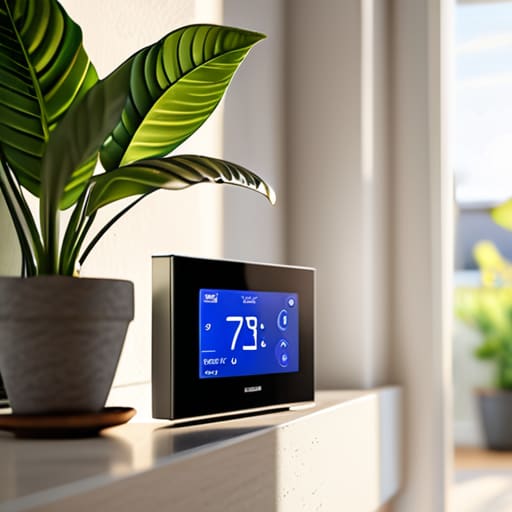
If you have a little extra breathing room in your budget, investing in a programmable device is a total game-changer. I can’t stress the smart thermostat benefits enough—being able to automate a temperature drop while I’m at work means I’m not cooling an empty room for eight hours straight. It takes the guesswork out of it. Even if you can’t go high-tech, just getting into the habit of adjusting your settings by a few degrees when you sleep can save you a surprising amount of cash by the end of the month.
Reducing Phantom Energy Loads Before They Drain You
Think about all the stuff in your apartment that’s plugged in right now. Even when your laptop is closed or your coffee maker is “off,” they’re still sipping power. I call these “vampire devices,” and they’re a silent drain on your bank account. It’s one of those things that feels invisible until you actually see the math on your monthly statement. Reducing phantom energy loads isn’t about living in the dark; it’s about being intentional with what stays connected.
If you want to tackle this without turning your place into a cave, grab a power strip for your media center or desk setup. When you head out for the day or hit the sack, flicking one switch kills the power to everything at once. It’s a simple habit, but it’s one of those small energy efficient home improvements that actually adds up over a year. I started doing this with my lamp and charger setup a few months ago, and honestly, it’s just one less thing to worry about. Stop letting your electricity leak out through the outlets.
Small Fixes That Actually Move the Needle
- Audit your water usage by checking for leaky faucets or running toilets. A single drip might seem minor, but if you leave it for a month, you’re essentially throwing money straight down the drain. I used to ignore a slow leak in my bathroom sink until I saw my water bill spike—don’t make that mistake.
- Optimize your thermostat settings by using a programmable one. You don’t need to live in a cave, but you also don’t need to heat or cool an empty apartment while you’re at work. Setting it just a few degrees differently when you’re out can shave a decent chunk off your monthly bill.
- Wash your clothes in cold water whenever possible. Most modern detergents are designed to work just as well in cold water, and you’ll save a massive amount of energy that usually goes toward heating the water. It’s one of those “set it and forget it” habits that pays off.
- Seal the gaps around your windows and doors with inexpensive weatherstripping. If you can feel a draft, you’re paying to heat the outdoors. It’s a quick, five-minute DIY fix that keeps the climate you actually paid for inside your living space.
- Switch to LED bulbs across the board. I know, it feels like a chore to replace everything, but LEDs use a fraction of the energy of old incandescent bulbs and they last way longer. It’s a small upfront cost that stops the constant cycle of buying replacements and wasting electricity.
The Bottom Line
Stop fighting your thermostat; small adjustments to your heating and cooling habits—like sealing drafts or managing your blinds—will save you way more than a fancy new smart device ever could.
Unplug the “vampires.” If it has a little standby light, it’s eating your budget, so use power strips to kill the flow to electronics you aren’t actively using.
Focus on the small, repeatable wins. You don’t need a massive home renovation to see a difference; you just need to be intentional about how you use the energy you’re already paying for.
## The Philosophy of the Small Leak
“Saving on utilities isn’t about some massive, life-altering lifestyle shift; it’s about plugging the tiny, invisible leaks in your daily routine before they turn into a hole in your bank account.”
Owen Silas Vance
Taking the First Step
Look, I know it feels like a lot when you first start looking at your utility statements. Between adjusting your thermostat, sealing those drafty window gaps, and hunting down those sneaky phantom energy loads, it can feel like you’re running a full-time job just to keep the lights on. But the reality is that these aren’t massive, overnight transformations; they are a series of small, intentional adjustments that compound over time. By tackling the heating and cooling efficiency first and then cleaning up your electrical footprint, you’re effectively plugging the leaks in your budget. It’s about being proactive rather than reactive, making sure your home works for you instead of just draining your bank account every month.
At the end of the day, managing your home shouldn’t feel like a mystery designed to keep you stressed and broke. You don’t need a massive renovation budget or a degree in engineering to take control of your living space. You just need the willingness to start where you are and apply a little bit of common sense. Competence in these small things builds the confidence you need to tackle the bigger stuff later on. So, grab your notebook, pick one thing from this list, and just do it. You’ve got this.
Frequently Asked Questions
I'm renting an apartment and can't change the thermostat or install new windows—what can I actually do to lower my bills without losing my security deposit?
I get it—renting feels like you’re playing a game where the rules are rigged against you. Since you can’t swap out the windows, focus on the gaps. Grab some cheap weatherstripping or even just draft stoppers for your doors; it’s a temporary fix that keeps the climate where it belongs. Also, use heavy curtains to block sun in the summer and trap heat in the winter. It’s low-cost, renter-friendly, and actually works.
Is it actually worth the money to invest in a smart thermostat, or is that just another "aesthetic" gadget that doesn't really save much?
Look, I get the skepticism. A lot of “smart” tech is just expensive eye candy, but a smart thermostat is one of the few that actually pays for itself. If you’re the type who constantly forgets to turn the AC down when leaving for work, it’s a game-changer. It automates the discipline you don’t have time for. It’s not about the sleek app; it’s about stopping the wasted energy when nobody’s home.
How do I figure out if my high bill is actually due to my usage habits or if I have a hidden issue like a leaky water heater or faulty wiring?
To figure this out, you need to play detective for a weekend. First, check your water heater: if it’s constantly running or the tank feels hot to the touch even when you aren’t using it, you’ve likely got a leak or a failing element. For wiring, look for “hot” outlets or flickering lights. If your usage seems normal but the bill spikes, track your daily meter readings; a sudden jump without a change in habits usually means a mechanical failure.