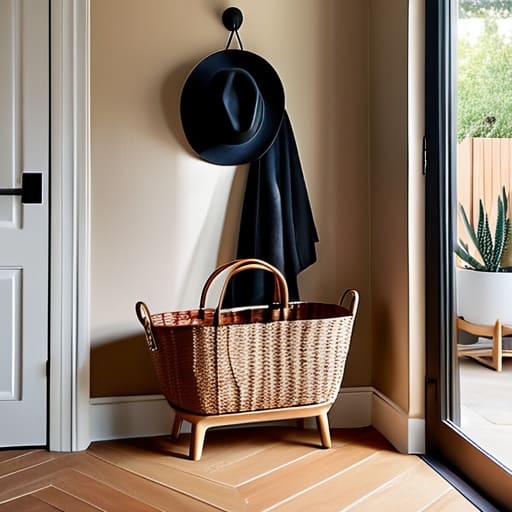
I spent my childhood navigating a cramped apartment where the front door was basically a graveyard for mismatched sneakers and crumpled mail. I used to think that effective home entry organization required those expensive, minimalist floating shelves you see on Pinterest—the kind that look beautiful but can’t actually hold a heavy set of keys or a damp umbrella. Honestly? That’s just performative decorating. If a system can’t survive a Tuesday afternoon when you’re rushing out the door with a coffee in one hand and your bag in the other, it’s not a system; it’s just more clutter waiting to happen.
I’m not here to sell you on a lifestyle overhaul or a trip to a high-end boutique. Instead, I’m going to show you how to build a functional landing zone using practical, low-cost solutions that actually work for real life. We’re going to focus on durability and flow—getting your essentials in their place so you can stop tripping over your own life the second you walk through the door. Let’s strip away the aesthetic fluff and just get organized.
Table of Contents
Smart Mudroom Storage Solutions That Actually Work
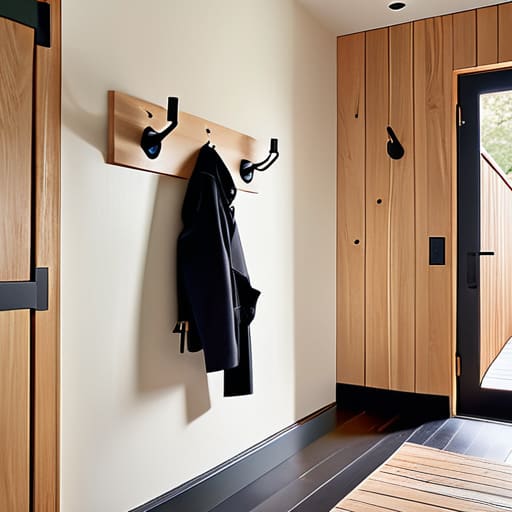
If you’re working with a tight footprint, don’t feel like you need a massive built-in unit to make it functional. Most of the best small entryway organization ideas I’ve used actually involve vertical thinking. Instead of letting bags and coats pile up on a chair, I swear by heavy-duty wall hooks. Get them at different heights—lower ones for kids or heavy backpacks, and higher ones for your everyday jacket. It keeps the floor clear and stops that “clutter creep” from taking over your living room.
When it comes to the floor, you need a dedicated system for what’s underfoot. I’ve found that a simple, tiered rack is the most efficient way to handle shoe storage for entryways without it looking like a chaotic pile of sneakers. If you have the space, try to incorporate a small bench; it makes the transition from “outside world” to “home” feel much more intentional. Just make sure your entryway furniture layout allows for enough clearance so you aren’t backed into a corner every time you try to lace up your boots.
Small Entryway Organization Ideas for Tight Spaces
If you’re living in a place where the “entryway” is basically just a hallway between your front door and your kitchen, don’t panic. You don’t need a sprawling mudroom to get organized. When floor space is at a premium, the secret is to stop looking down and start looking up. I’m a huge advocate for verticality. Instead of a bulky bench that eats up your walking path, install a few heavy-duty wall hooks or a slim floating shelf. This keeps your keys, bags, and even lightweight jackets off the ground, which is the fastest way to stop that “clutter pile” from forming the second you walk through the door.
For those of us dealing with more than just a single pair of sneakers, finding decent shoe storage for entryways in a tiny footprint is the real challenge. Forget the massive wooden racks; look for a slim, tilt-out shoe cabinet. They’re incredibly shallow, meaning they won’t block your path, but they can still tuck away a surprising amount of footwear. If you really want to level up your small entryway organization ideas, try adding a small magnetic strip or a tiny tray near the door. It sounds simple, but having a dedicated spot for the small stuff—keys, mail, or loose change—prevents that daily scavenger hunt.
Five Ways to Stop the Entryway Chaos Before It Starts
- Stop the “one-item” pileup by giving everything a specific home. If your keys, mail, and sunglasses don’t have a designated spot—like a small tray or a hook—they’re just going to end up on the floor or the kitchen counter by Tuesday.
- Get your stuff off the ground. Even in a tiny apartment, a few sturdy wall hooks are better than a shoe pile that you have to navigate every time you walk through the door. If it’s hanging, it’s not tripping you up.
- Audit your seasonal gear once a month. Don’t let heavy winter boots or bulky summer sandals take up prime real estate in your entryway when they aren’t being used. Stash them in a bin under the bed or in a closet so your entryway stays functional, not cluttered.
- Create a “landing zone” for the stuff that actually matters. I keep a small, dedicated basket near the door specifically for things that need immediate attention, like outgoing mail or dry cleaning. It keeps the clutter contained to one square foot instead of spreading across the whole room.
- Invest in a decent doormat and a small tray for wet items. It sounds basic, but catching the dirt and moisture at the door saves you from having to clean your entire living space every single time it rains. It’s about managing the mess before it enters your life.
The Bottom Line: Keep It Functional, Not Just Pretty
Stop buying aesthetic organizers that don’t fit your actual life; if you can’t fit your real-world boots and heavy coats in the system, it’s a waste of money.
Focus on “drop zones” to stop the clutter at the source—give every person in the house one specific spot for their keys, mail, and bags so things don’t migrate to the kitchen table.
Build for the mess you actually have, not the “perfect” version of yourself; prioritize sturdy, easy-to-clean bins and hooks over delicate decor that just collects dust.
## The Entryway Mindset
“Your entryway shouldn’t be a graveyard for things you forgot you owned; it should be a launchpad that makes leaving the house feel less like a chaotic scramble and more like a planned departure.”
Owen Silas Vance
Stop Overthinking and Start Clearing
Look, we’ve covered a lot of ground here, from maximizing every inch of a tiny studio entryway to setting up a functional mudroom that actually handles the chaos of a busy week. Whether you’re investing in heavy-duty bins for the kids’ gear or just finally hanging up those hooks so your keys don’t vanish into the abyss, the principle remains the same: systems beat aesthetics every single time. You don’t need a custom-built, designer foyer to have an organized home. You just need a designated spot for your things and the discipline to put them there when you walk through the door.
At the end of the day, an organized entryway isn’t about having a Pinterest-perfect house; it’s about reducing the friction in your daily life. It’s about not hunting for your wallet when you’re already five minutes late for work, or not tripping over a pile of boots when you’re exhausted at 6:00 PM. Competence in your own space is a skill, and you build it one small habit at a time. So, grab a few containers, clear the floor, and just start doing it. You’ll be surprised how much lighter your mental load feels when your physical space finally stops fighting you.
Frequently Asked Questions
I don't have a dedicated mudroom or even a hallway; how do I keep the clutter from bleeding into the rest of my living room?
Look, if your front door opens directly into your living room, you don’t have a “mudroom”—you have a zone. The trick is to create a visual boundary so the mess doesn’t migrate to your sofa. Grab a slim console table or even a sturdy, low bookshelf. Use it to corral your keys, mail, and bags. If it’s contained in one dedicated spot, it stays a “landing strip” instead of becoming floor clutter.
How often should I actually be purging the stuff in my entryway bins so they don't just become "junk drawers" for coats and mail?
Look, if you wait until the bins are overflowing, you’ve already lost. I aim for a “Sunday Reset”—about ten minutes every weekend to clear out the dead mail, old receipts, and those random keys you don’t recognize anymore. If you’re feeling overwhelmed, try the monthly deep purge. Just grab your notebook, toss the trash, and reset the space. If it hasn’t been touched in a month, it probably doesn’t belong in your entryway.
What are some cheap, DIY ways to add hooks or storage to a rental without losing my security deposit?
Look, I’ve been in those tiny rentals where you can’t even put a nail in the wall without sweating. Skip the drill. Grab some heavy-duty Command hooks—just make sure you clean the surface with rubbing alcohol first so they actually stick. If you need something sturdier, try a leaning ladder shelf. It adds vertical storage for bags or towels without a single hole in the drywall. It’s cheap, effective, and keeps your deposit safe.