I grew up in a rental apartment where “personal space” was a myth and every square inch was a battleground between my two siblings and me. I remember sitting on a floor cluttered with mismatched bins, feeling like the walls were physically leaning in on me. Most interior design blogs will try to sell you on expensive, minimalist furniture or “airy” Scandinavian aesthetics to solve the problem, but that’s just gatekeeping. You don’t need a massive budget or a showroom-ready apartment to fix this; you just need to understand the mechanics of your own space. Learning how to make a small room look bigger isn’t about buying more stuff—it’s about reclaiming the air you already pay for.
I’m not here to give you a list of overpriced decor trends that look good on a mood board but fail in real life. Instead, I’m going to walk you through the practical, low-cost tactics I use in my own projects, from maximizing vertical real estate to mastering light placement. I promise to keep this no-nonsense and actionable, focusing on the small shifts that actually move the needle. Let’s stop feeling trapped by your floor plan and start making it work for you.
Table of Contents
Mastering the Art of Maximizing Small Space Layout
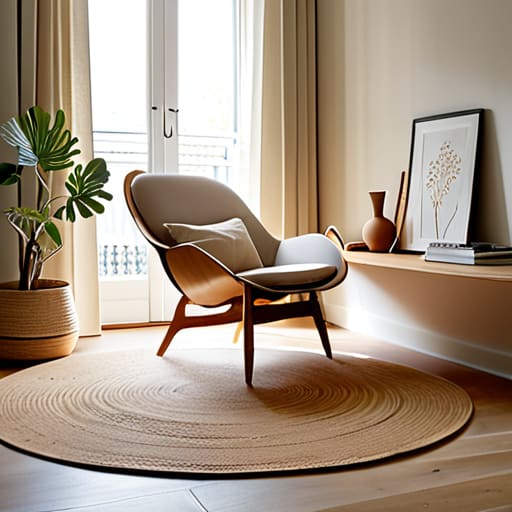
When I was moving into my first studio, I realized pretty quickly that you can’t just shove everything against the walls and call it a day. That’s a rookie mistake that actually makes a room feel more cramped. Instead, focus on maximizing small space layout by creating distinct zones. Even in a tiny room, you want to define where “work” ends and “relaxing” begins. I like to use small area rugs or even just the orientation of a chair to create these invisible boundaries. It stops the room from feeling like one big, chaotic pile of stuff.
Another thing I’ve learned from my urban planning background is that your eyes need somewhere to rest. If every single surface is covered in knick-knacks, your brain perceives the room as smaller than it actually is. You have to prioritize minimizing visual clutter to let the space breathe. This is where multifunctional furniture for small spaces becomes your best friend. I’m talking about ottomans with storage inside or a desk that doubles as a dining table. If a piece of furniture only does one thing, it’s probably taking up too much real estate.
Using Mirrors to Expand Space Without the Stress
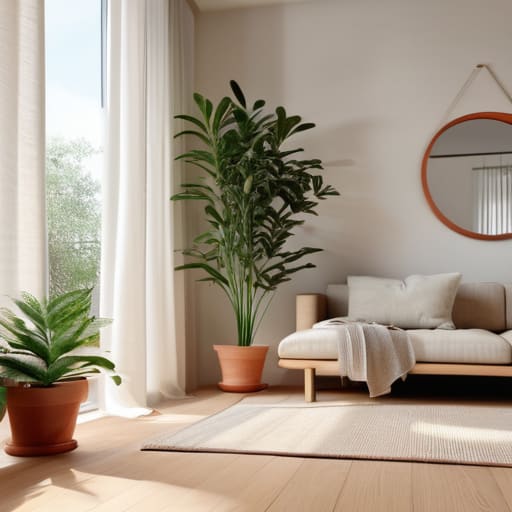
If you ask me, mirrors are the closest thing we have to a cheat code for tiny apartments. I used to think they were just for checking if my hair looked okay before heading out, but once I started applying a few interior design tricks for tiny rooms, I realized they are actually spatial tools. The trick isn’t just hanging any random mirror on a wall; it’s about placement. If you position a large mirror directly opposite a window, you’re essentially doubling the amount of natural light hitting the room. This creates an illusion of depth that makes it feel like the walls are pushing back, rather than closing in on you.
Don’t feel like you need to drop a paycheck on a massive, ornate floor mirror to make this work. You can get a lot of mileage out of smaller, strategically placed pieces. I like to use them to reflect specific “zones”—like a bookshelf or a plant—to draw the eye deeper into the room. By using mirrors to expand space this way, you’re effectively minimizing visual clutter by tricking the brain into seeing more than what’s actually there. It’s a low-effort, high-reward move.
Five ways to stop your room from feeling like a storage unit
- Stop buying bulky furniture. I learned this the hard way with a massive thrifted dresser that ate my entire studio; instead, go for pieces with legs. If you can see the floor underneath your sofa or bed, your brain registers more open space.
- Use your walls, not your floor. If you’re constantly tripping over stuff, it’s because you’re letting everything live at ground level. Get some floating shelves or wall-mounted organizers to get the clutter off your walking paths.
- Stick to a cohesive color palette. You don’t have to live in a monochromatic white box, but if every single corner has a different loud pattern or clashing color, the room will feel visually chaotic and cramped. Keep the big stuff neutral.
- Light is your best friend. Dark corners make a room shrink. If you can’t add more windows, don’t just rely on one sad overhead light—layer in some small lamps or even some decent LED strips to push the shadows back.
- Edit your stuff ruthlessly. We all have that “I might need this someday” pile, but in a small room, that pile is an enemy. If it doesn’t serve a purpose or actually make you happy, it’s just taking up valuable square footage.
The Bottom Line: Stop Fighting Your Floor Plan
Stop trying to fit “big” furniture into small rooms; go vertical with shelving and wall mounts to keep your floor space clear so you can actually move around.
Light is your best friend, so ditch the heavy, dark curtains and use mirrors to bounce as much natural light as possible into the corners.
Declutter with intention—if a piece of furniture or a pile of stuff doesn’t serve a purpose or make you feel good, it’s just taking up precious breathing room.
## The Real Secret to Space
“A small room isn’t a prison sentence; it’s just a puzzle. You don’t need more square footage to feel free, you just need to stop fighting the walls and start working with them.”
Owen Silas Vance
Making It Work for You
Look, making a small room feel larger isn’t about buying a bunch of expensive, “space-saving” gadgets that end up just becoming more clutter. It’s about being intentional with what you already have. We talked about pulling your furniture away from the walls to create breathing room, using mirrors to trick the eye, and finally, prioritizing your layout so you aren’t constantly tripping over a coffee table. If you can master the basics of spatial flow and stop fighting against your floor plan, you’ll find that your square footage starts working for you instead of against you. It’s all about eliminating the visual noise so you can actually see the room you’re living in.
At the end of the day, your home shouldn’t feel like a puzzle you’re constantly failing to solve. Whether you’re living in a studio apartment or just trying to make a cramped bedroom feel less claustrophobic, remember that competence is a skill. You don’t need a massive renovation or a professional designer’s budget to reclaim your environment. Just take it one step at a time—move a chair, hang a mirror, clear a corner—and watch how much better you feel. You deserve a space where you can actually breathe and relax without feeling boxed in. Let’s get to work.
Frequently Asked Questions
I have a lot of stuff; how do I hide the clutter without buying expensive, bulky storage units?
Look, I get it. We all accumulate stuff, and the impulse is to run to IKEA for a massive bookshelf that just eats more floor space. Don’t do that. Instead, look for “hidden” real estate. Use decorative baskets on shelves to swallow small junk, or grab some cheap felt bins for your drawers. If you have a gap under your bed, get some low-profile rolling bins. It’s about tucking things away, not adding more furniture.
Will painting my walls a different color actually make a noticeable difference, or is it a waste of time?
It’s definitely not a waste of time, but you have to be strategic. If you slap a dark, moody navy on all four walls of a cramped studio, you’re basically building a velvet coffin. Stick to light, cool tones—whites, soft greys, or pale blues—to bounce light around. It creates an illusion of depth that makes the walls feel like they’re receding rather than closing in on you.
How do I pick furniture that actually fits the scale of the room so it doesn't feel like I'm living in a warehouse?
The biggest mistake I see is people buying furniture based on how it looks in a showroom, not how it fits their floor plan. Before you buy anything, grab a roll of painter’s tape and outline the dimensions on your floor. It’s a game-changer. You’ll realize that “dream sofa” actually eats up your entire walkway. Aim for pieces with legs; seeing the floor continue underneath the furniture tricks your brain into thinking there’s more room.