I used to think batch cooking for beginners meant spending my entire Sunday afternoon hunched over a kitchen counter, surrounded by twenty identical plastic containers and a mountain of kale that I’d inevitably throw away by Wednesday. If you’ve seen those aesthetic “meal prep” videos where everything is color-coded and perfectly portioned into tiny little compartments, let me save you some time: that is a lie. It’s expensive, it’s exhausting, and it’s a recipe for burnout. When I was growing up in a cramped apartment, we didn’t have the luxury of “lifestyle” meal prepping; we just needed to make sure there was something edible in the fridge after a long shift without breaking the bank.
I’m not here to teach you how to turn your kitchen into a sterile laboratory. Instead, I’m going to show you how to build a sustainable system that actually fits into a busy work week. We’re going to focus on high-impact, low-effort methods that prioritize flavor and flexibility over perfection. My goal is to give you the practical tools to master batch cooking for beginners so you can stop stressing about dinner and start actually enjoying your time off.
Table of Contents
Mastering Weekly Meal Planning Strategies to Reclaim Your Time
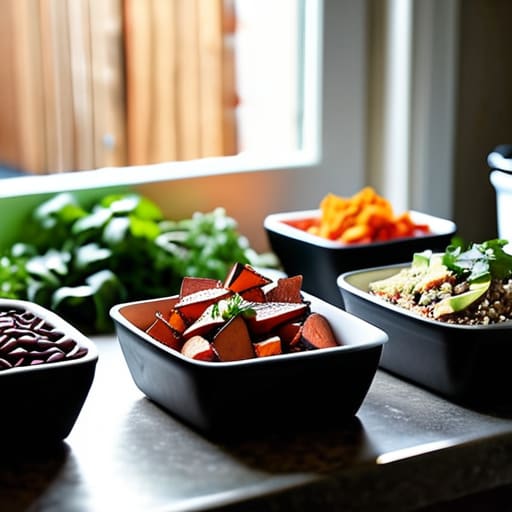
Look, the biggest mistake I see people make is trying to plan a five-course gourmet menu every Sunday. That’s a one-way ticket to burnout. Instead, focus on weekly meal planning strategies that actually work for a busy schedule. I like to pick two versatile proteins—maybe some shredded chicken and a big batch of seasoned black beans—and two hearty grains. From there, you aren’t “cooking recipes”; you’re just assembling components. This way, Monday can be a burrito bowl, and Wednesday can be a quick grain salad. It takes the decision fatigue out of your workday.
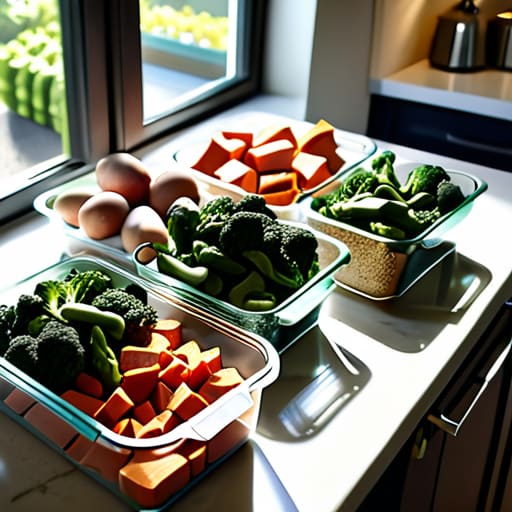
Once you’ve got your components, you need to get organized. Don’t just throw everything into random Tupperware; invest in a decent set of meal prep containers for storage that actually seal tight. If you don’t, you’ll end up with a soggy mess by Thursday, and you’ll be right back to ordering expensive takeout. I’ve learned the hard way that if you prep with consistency rather than perfection, you’ll actually stick to it. It’s about building a system, not a culinary masterpiece.
Budget Friendly Meal Prep That Actually Works for Real Life
Look, I get it. The idea of “meal prepping” often conjures up images of expensive, color-coded glass jars and organic ingredients that cost more than my monthly utility bill. But that’s not how real life works, especially when you’re trying to build a life on a budget. To me, budget friendly meal prep is about being strategic with what’s already on sale. I always check the weekly circulars before I even step foot in the grocery store. If chicken thighs are on sale but breasts are full price, I’m buying thighs. I lean heavily on versatile staples like dried lentils, rice, and frozen vegetables—they’re cheap, they don’t spoil in three days, and they form the backbone of almost everything I cook.
The real secret to making this sustainable is investing in a few decent meal prep containers for storage that actually seal properly. There is nothing more frustrating than opening your bag at lunch only to find your expensive quinoa has leaked everywhere. Don’t go overboard with fancy gadgets; just get a set of durable, stackable containers that fit in your fridge. If you find yourself making a massive pot of chili or stew, don’t feel pressured to eat it all in one week. Portion it out and freeze it; it’s basically a built-in insurance policy for those nights when you’re too exhausted to even think about the stove.
5 Ways to Batch Cook Without Losing Your Mind
- Don’t try to cook five new recipes at once. Pick one big protein (like a tray of roasted chicken or a pot of seasoned beans) and one versatile grain. It’s much easier to mix and match those throughout the week than it is to manage five different complicated dishes.
- Invest in actual, decent containers. I learned the hard way that cheap plastic tubs leak and turn your leftovers into a soggy mess. Get a few glass containers that actually seal; they last longer, they’re easier to clean, and they don’t hold onto that weird curry smell from last Tuesday.
- Use your freezer as a safety net. If you realize you’ve made way more chili than you can eat in four days, don’t let it go to waste. Portion it into individual servings and freeze them immediately. That’s your “emergency meal” for the next time you’re too exhausted to function.
- Clean as you go, seriously. There is nothing more soul-crushing than finishing a productive cooking session only to realize you’re staring at a mountain of crusty pots and pans. Wash your cutting board while the onions are sautéing. It keeps the momentum going and makes the “aftermath” feel manageable.
- Embrace the “component” method over the “meal” method. Instead of making individual Tupperware boxes of the exact same meal, just prep components: roasted veggies, a sauce, a starch, and a protein. This stops “food fatigue” because you can turn those same ingredients into a bowl one night and a wrap the next.
The Bottom Line on Batch Cooking
Don’t aim for a Pinterest-perfect spread; just focus on prepping a few versatile ingredients—like a big batch of grains or roasted veggies—that you can mix and match all week.
Invest in a few decent, airtight containers early on so you aren’t constantly fighting with flimsy plastic wrap that leaks in your bag.
Start small so you don’t burn out; prepping three days of lunches is a massive win compared to trying to cook for the entire week and ending up ordering takeout by Wednesday.
The Real Goal of Batch Cooking
“Batch cooking isn’t about becoming a gourmet chef or spending your entire Sunday in a flour-covered kitchen; it’s about making sure that when you’re exhausted on a Tuesday night, you actually have a plan that doesn’t involve expensive takeout or a bowl of cereal.”
Owen Silas Vance
Getting Started Without the Stress
Look, I know the idea of spending your entire Sunday hovering over a stove feels overwhelming, but it doesn’t have to be an all-or-nothing lifestyle. We’ve covered how to plan your week without losing your mind, how to keep your grocery bill from spiraling, and how to choose recipes that actually taste good on a Thursday. You don’t need a professional-grade kitchen or a dozen matching glass containers to make this work; you just need a solid system and a few reliable staples. The goal isn’t perfection or a Pinterest-worthy fridge—it’s about building a repeatable rhythm that saves you time and money when you’re tired after a long shift.
At the end of the day, batch cooking is just another tool in your kit for managing your life. It’s about taking a little bit of control back from the chaos of a busy week. Don’t feel like you have to master everything at once. Start small: cook one extra batch of grains or prep one big pot of chili and see how it feels. Competence is a muscle, and you’re building it one meal at a time. Stop waiting for the “perfect” time to get organized and just start where you are. You’ve got this.
Frequently Asked Questions
How do I keep my food from tasting like "leftovers" by Wednesday?
The “leftover” taste usually comes from two things: moisture loss and flavor fatigue. First, stop reheating everything in the microwave on high; it nukes the texture. Use a pan or a low-heat oven to revive things. Second, vary your “finishers.” Keep a stash of fresh elements—toasted seeds, a squeeze of lime, or some fresh herbs—to add right before eating. It tricks your brain into thinking the meal is fresh, not recycled.
Do I really need to buy all those expensive glass containers, or can I just use what I have?
Look, I get it. The aesthetic photos of matching glass sets make it look like a requirement, but they aren’t. Save your money for better ingredients. If you have old Tupperware or even some decent deli containers, use them. Just check for stains or weird smells first. My rule is simple: if it holds food and seals tight, it works. Don’t let a lack of “aesthetic” containers stop you from actually starting.
What’s the best way to prep without spending my entire Sunday stuck in the kitchen?
Look, I get it. You don’t want to spend your only day off acting like a sous-chef. The trick is to stop trying to cook full, plated meals and start prepping “components” instead. Roast a big tray of veggies, boil a pot of grains, and cook two proteins at once. When Monday hits, you’re just assembling, not cooking. It takes twenty minutes to throw a bowl together, and your Sunday stays yours.