I spent my childhood in a cramped two-bedroom apartment where “personal space” was a myth and every square inch was a battleground. I remember the specific, sinking feeling of tripping over a stray shoe or digging through a mountain of junk just to find my keys, realizing that our tiny living area felt even smaller because everything was just out. Most people will tell you that the answer is to go out and buy a $400 modular shelving system or hire a professional organizer to come in and “curate” your life, but that’s a total scam. You don’t need a massive budget or a Pinterest-perfect aesthetic to fix this; you just need some smart diy storage solutions that actually work for the way you live.
I’m not here to sell you on a lifestyle you can’t afford or show you complicated builds that require a full workshop. My goal is to show you how to use what you already have—or what you can find for five bucks at a thrift store—to reclaim your space. I’m going to walk you through practical, no-nonsense projects that focus on utility over hype. We’re going to stop overcomplicating the clutter and just start getting organized.
Table of Contents
Small Apartment Storage Hacks That Actually Work
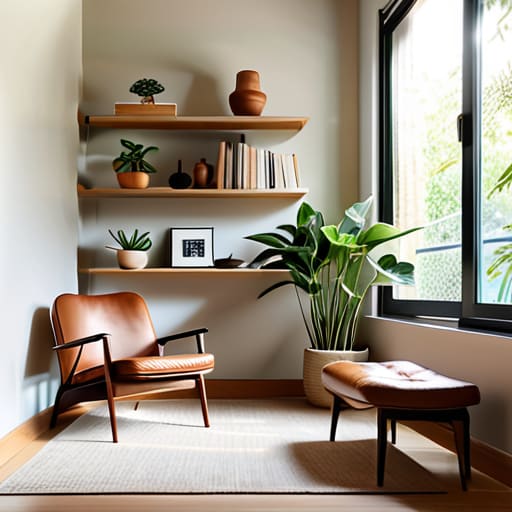
When I was living in that cramped two-bedroom with my siblings, we didn’t have the luxury of “extra” rooms. Every square inch had to earn its keep. The biggest mistake I see people make is trying to buy their way out of a small floor plan with expensive, bulky furniture. Instead, you need to look up. Most of us ignore the vertical real estate above our heads. I’m a huge fan of using tension rods or simple floating shelves to turn empty wall space into a library or a pantry. These kinds of small apartment storage hacks are game-changers because they keep your floor clear, which is the only way to stop a tiny room from feeling like a storage unit.
Another thing that saved my sanity was leaning into repurposed container ideas. You don’t need a matching set of aesthetic bins from a high-end boutique to stay organized. I’ve used everything from old wooden crates I found at thrift stores to sturdy glass jars for my desk supplies. It’s about being resourceful rather than perfect. If you can find a way to categorize your stuff using things you already own, you’re winning at budget friendly decluttering without spending a dime.
Budget Friendly Decluttering Without the Stress
Look, I get it. You look at a pile of stuff and immediately feel that heavy, sinking sensation in your chest. Most people think decluttering means buying a bunch of expensive, matching acrylic bins from a big-box store, but that’s just a fast track to more spending and more clutter. Real budget friendly decluttering starts with a ruthless audit, not a shopping trip. I used to think I needed a brand-new wardrobe, but most of the time, I just needed to clear the visual noise so I could actually see what I owned.
Instead of hitting the stores, look at what you already have. I’m a big fan of repurposed container ideas—think glass pasta jars for bathroom staples or sturdy cardboard boxes wrapped in leftover scrap fabric to organize your desk. It sounds basic, but it works. If you can’t use it, don’t store it; sell it or donate it. The goal isn’t to find a “perfect” place for every single thing you’ve ever touched, but to make sure everything you keep actually has a purpose. Stop aiming for a magazine spread and just aim for functional breathing room.
Five Low-Cost Ways to Get Your Stuff Under Control
- Use vertical space before you buy more furniture. I’ve learned that if you can’t go out, go up. Installing a few simple floating shelves or even just heavy-duty command hooks can clear off your surfaces and make a tiny room feel twice as big without breaking the bank.
- Repurpose what you already own instead of hitting a big-box retailer. Before you go out and buy those expensive plastic bins, look in your pantry or recycling. Glass jars are perfect for small hardware or office supplies, and sturdy cardboard boxes can be wrapped in leftover fabric or contact paper to look like high-end organizers.
- Invest in tension rods for hidden storage. These are my secret weapon for small spaces. You can use them inside cabinets to create extra “shelves” for cleaning supplies or even under a sink to hang spray bottles, keeping the floor of the cabinet clear for larger items.
- Create “zones” using cheap dividers. Clutter usually happens because things don’t have a designated home. Grab some scrap wood or even just sturdy cardboard to create dividers in your drawers. It keeps your socks from becoming a single giant mass and makes finding exactly what you need a lot faster.
- Label everything—even if it feels extra. I keep a small notebook of where things go, but for the house, a simple label maker or even a piece of masking tape and a Sharpie works wonders. If everything has a visible name, you’re way less likely to just toss it on the nearest flat surface and call it “organized.”
The Bottom Line on Managing Your Space
Stop chasing the “perfect” aesthetic you see on social media; focus on systems that actually fit your daily routine and your actual budget.
Prioritize vertical space and multi-use items to maximize every square inch of your home without needing a massive renovation.
Competence comes from consistency, so start with one small, manageable area rather than trying to overhaul your entire life in a single weekend.
The Reality of Making Space
“You don’t need a custom-built walk-in closet or a massive renovation to fix a messy room; you just need to stop waiting for the ‘perfect’ setup and start using what you’ve got to make your space work for you.”
Owen Silas Vance
Getting Started Without the Headache
Look, we’ve covered a lot of ground here, from squeezing every inch of utility out of a cramped studio to cleaning out your junk drawer without having a total meltdown. The main takeaway is that you don’t need a massive budget or a degree in interior design to make your space functional. Whether you’re using tension rods to hang things in a closet or just finally committing to a ruthless decluttering session, the goal is the same: making your environment work for you instead of against you. Just remember that organization is a process, not a one-time event, so don’t feel like you have to fix your entire life by Sunday night.
At the end of the day, these DIY fixes aren’t about achieving some perfect, Pinterest-worthy aesthetic that looks good in a photo but feels impossible to live in. It’s about competence. It’s about knowing that when you need your keys, they’re where they belong, and when you need to find a screwdriver, you aren’t digging through a mountain of random stuff. Stop waiting for the “perfect” moment or the “perfect” storage system to arrive in a box. Grab a few bins, grab your multi-tool, and just start building a space that actually feels like home. You’ve got this.
Frequently Asked Questions
I don't have a workshop or fancy power tools, so what can I actually build with just basic hand tools?
Look, I get it. I didn’t grow up with a garage full of DeWalt gear either. You don’t need a table saw to make a difference. With just a screwdriver, a hammer, and maybe a hand saw, you can build some solid floating shelves or a simple wooden crate for your entryway. Even a basic spice rack is doable. Focus on small, modular pieces—they’re easier to manage and actually fit the vibe of a smaller space.
How do I make DIY storage look like intentional decor instead of just a bunch of random scrap wood and bins?
The secret is cohesion. If everything looks like a random collection of scraps, it’s clutter; if it follows a theme, it’s design. Pick a “visual anchor”—maybe it’s all matte black hardware, or sticking to a specific wood stain. Even if you’re using mismatched bins, try to keep them in the same color family. When your DIY projects share a consistent texture or palette, they stop looking like accidents and start looking like a choice.
Is it worth spending money on heavy-duty mounting hardware if I'm planning to hang shelves in an older rental?
Honestly? Yes. In an older rental, you’re often dealing with plaster or aging studs that aren’t as predictable as new construction. Cheap plastic anchors are a recipe for a midnight disaster where your books end up on the floor. Spend the extra ten bucks on high-quality toggle bolts or heavy-duty anchors. It’s a small upfront cost to ensure you aren’t spending your weekend patching holes in a landlord’s wall.