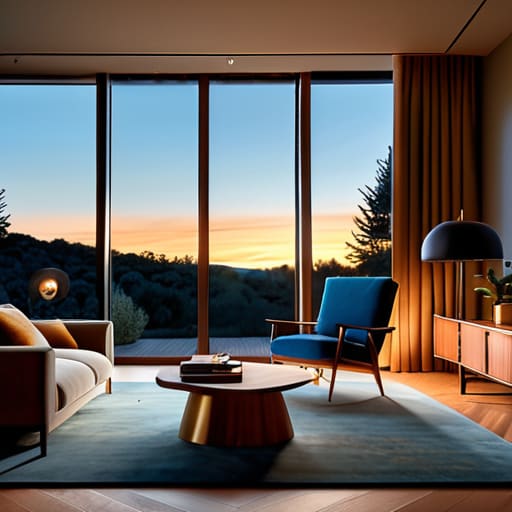
I still remember the first apartment I moved into—a cramped, dim studio where the only light source was a single, buzzing overhead fixture that made everything look like a scene from a low-budget horror movie. I spent way too much money trying to follow those “aesthetic” Pinterest boards, thinking I needed expensive architectural installations to fix the vibe. But here’s the truth: most of those high-end home lighting tips you see online are just expensive ways to gatekeep a cozy atmosphere. You don’t need a designer’s budget or a degree in electrical engineering to stop living under harsh, soul-crushing fluorescent light.
I’m not here to sell you on smart-home gadgets that require a monthly subscription or lighting setups that cost more than your rent. My goal is to give you a practical toolkit for reclaiming your space using what you’ve already got or what you can find at a thrift store. I’ll show you how to layer light, choose the right warmth, and use placement to actually make your home feel functional. Let’s skip the fluff and get into the straightforward steps to making your space feel like yours.
Table of Contents
Mastering Layered Lighting Techniques Without the Stress
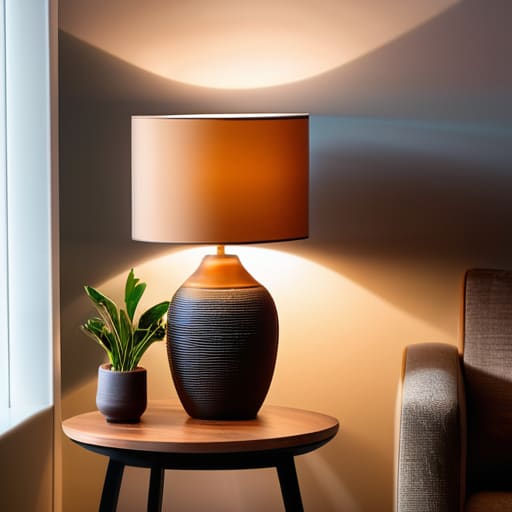
The biggest mistake I see people make is relying on a single, harsh overhead light that turns their living room into a sterile doctor’s office. To fix this, you need to embrace layered lighting techniques instead of looking for one “perfect” fixture. Think of it in three levels: ambient lighting for general visibility, task lighting for when you’re actually doing something (like reading or chopping veggies), and accent lighting to add some soul to a corner. You don’t need a massive renovation to pull this off; honestly, just adding a floor lamp next to your chair and a small desk lamp can completely change the vibe.
When you’re picking out bulbs, pay attention to the warm vs cool light temperature scale. I personally swear by warmer tones for the living area because they make a space feel lived-in rather than clinical. If you can swing it, installing a few dimmers is a total game-changer for controlling the mood. It’s one of those small, low-cost upgrades that offers massive dimmer switch benefits, allowing you to transition from “focused work mode” to “winding down for the night” without even leaving your seat.
Choosing Warm vs Cool Light Temperature Like a Pro
When you’re standing in the bulb aisle, looking at a sea of plastic packaging, it’s easy to feel like you need a degree in physics just to pick a light. But here’s the secret: it all comes down to Kelvin—the measurement of color temperature. If you want a space that feels cozy and lived-in, you’re looking for those lower numbers, usually between 2700K and 3000K. This is your go-to for warm vs cool light temperature decisions in living rooms or bedrooms. It mimics the soft glow of a sunset and keeps things from feeling like a sterile hospital wing.
On the flip side, if you’re setting up a workspace or a kitchen prep area, you want something higher, around 4000K to 5000K. This “cool” light is crisp and helps you actually see what you’re doing without squinting. I’ve learned the hard way that mixing these up can make a room feel totally disjointed. My rule of thumb? Use warm tones for relaxation and cooler tones for productivity and focus. Once you nail that balance, your home will finally start feeling like a place designed for living, not just existing.
5 Low-Stakes Ways to Upgrade Your Lighting Right Now
- Stop relying on the “big light.” That single, harsh overhead fixture is the fastest way to make your apartment feel like a sterile doctor’s office. Instead, turn it off and use smaller, localized sources to create actual depth in a room.
- Check your bulb numbers before you buy. When you’re at the store, look for “Kelvin” (K) on the box. For living areas, aim for 2700K to 3000K. Anything higher feels like a warehouse; anything lower can feel a bit too moody for doing actual work.
- Invest in a few smart plugs. You don’t need a full smart-home overhaul, but being able to turn on your floor lamps via your phone—or setting them to a timer—makes your space feel intentional rather than just “on” or “off.”
- Use mirrors to bounce what light you do have. If you have a dark corner or a small entryway, placing a mirror opposite a window or a lamp can effectively double the brightness without you spending a dime on new fixtures.
- Don’t overlook the power of task lighting. If you’re working at a desk or cooking in a cramped kitchen, you need a dedicated light source right where the action is. It saves your eyes from strain and keeps you from bumping into things when you’re tired.
The Bottom Line
Stop relying on that one harsh overhead light; layering small lamps and task lights is the fastest way to make a room feel intentional rather than accidental.
Stick to warm bulbs (around 2700K) for your living areas to keep things cozy, and save the cooler tones for where you actually need to focus, like a desk or kitchen counter.
You don’t need a massive budget or a professional designer to fix your lighting—just start with what you have and add pieces as you go.
The Core Philosophy
“Lighting isn’t about buying the most expensive designer fixture you can find; it’s about realizing that a single, harsh overhead light is the enemy of a functional home. Real comfort comes from layering small, intentional light sources that actually work for how you live, not how an Instagram feed looks.”
Owen Silas Vance
Lighting Your Way Forward
At the end of the day, getting your lighting right isn’t about buying every expensive smart bulb on the market or following a strict interior design manual. It’s about understanding that your space needs to work for you, not the other way around. We’ve covered how to layer your light so you aren’t stuck under one harsh overhead fixture, and how to pick a color temperature that actually feels cozy instead of clinical. Remember, it’s a process of trial and error. Start with one corner, swap out a bulb, or add a single thrifted lamp, and just see how the room shifts. Small, intentional changes are always more effective than a complete, expensive overhaul.
I know that looking at a dark, uninviting room can feel like just another thing on your “to-fix” list, but don’t let it overwhelm you. You don’t need a massive budget or a degree in architecture to create a home that feels like a sanctuary. You just need to take that first step and stop settling for whatever light happens to be there. Whether you’re working a late shift at your desk or finally winding down after a long day, you deserve a space that supports your rhythm. Take it one lamp at a time. You’ve got this.
Frequently Asked Questions
How do I figure out which wattage I actually need for a room without feeling like I'm back in high school physics class?
Forget the math and the physics formulas. Honestly, looking at wattage is a relic of the past anyway. Instead, look at lumens—that’s the actual measure of brightness. A good rule of thumb? For a living room, aim for about 20 lumens per square foot. Grab a tape measure, find your room’s square footage, and multiply. It’s a quick bit of mental math that keeps you from accidentally turning your bedroom into a surgical suite.
I’m renting an apartment with terrible overhead lights—are there ways to improve the lighting that won't cost me my security deposit?
The “big light” is usually the enemy of a good vibe. Since you can’t rewire the place, stop relying on those harsh overheads and lean into floor and table lamps. Grab a couple of cheap, secondhand lamps from a thrift store—I usually hunt for mid-century pieces—and scatter them around the room. It creates pockets of light that make a rental feel intentional rather than clinical, all without losing a dime of your deposit.
Is it worth buying expensive smart bulbs, or am I better off just sticking to basic ones and using a regular lamp?
Look, I get the temptation to go full “smart home,” but honestly? Don’t blow your budget on expensive bulbs if you’re just starting out. If you love the vibe of a specific lamp, stick to a solid, high-quality LED bulb and use a cheap smart plug instead. It gives you the same control—dimming or scheduling via your phone—without the “smart bulb tax.” Save that extra cash for a good mid-century floor lamp.