I used to think that mastering a simple meal meant buying the expensive, artisanal bronze-cut noodles and some fancy imported olive oil, but honestly? That’s just a way to make a basic task feel more intimidating than it actually is. Growing up in a cramped apartment where we had to make every dollar count, I learned early on that you don’t need a gourmet pantry to eat well; you just need to understand the mechanics of what you’re doing. Most of the “expert” advice out there makes it sound like a chemistry experiment, but I’m here to tell you that learning how to cook pasta perfectly isn’t about the price tag on the box—it’s about the water, the timing, and a little bit of intuition.
I’m not going to waste your time with culinary fluff or gatekeeping techniques that require a degree in food science. Instead, I’m going to give you the straightforward, repeatable steps I use when I’m tired after a long day of project coordinating and just need a win in the kitchen. We’re going to strip away the nonsense and focus on the actual physics of the pot so you can walk away with a meal that tastes like you actually tried, without the stress.
Table of Contents
- The Salting Pasta Water Importance Dont Skip the Basics
- Mastering the Difference Between Al Dente and Soft Pasta
- Five Pro Moves to Level Up Your Pasta Game
- The Quick Cheat Sheet for Pasta Success
- The Secret is in the Timing
- Stop Overthinking the Pot: The No-Nonsense Way to Master Perfect Pasta
- Frequently Asked Questions
The Salting Pasta Water Importance Dont Skip the Basics
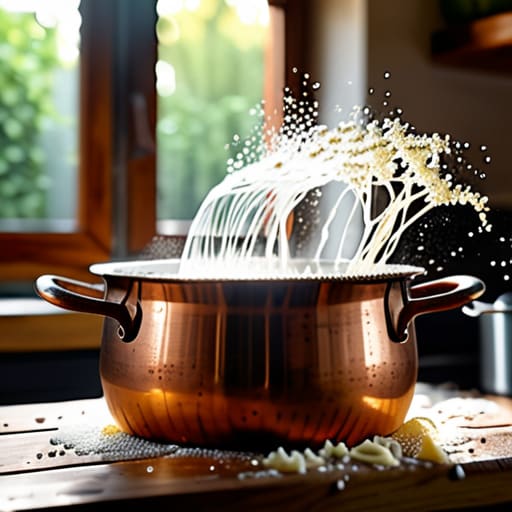
Look, I know it feels like an extra step when you’re already hungry, but the salting pasta water importance can’t be overstated. I used to skip it when I was living on a tight budget and trying to rush through meal prep, but all I ended up with was bland, sad noodles that tasted like nothing. You aren’t just seasoning the water; you’re seasoning the pasta from the inside out as it hydrates. Think of it as the foundation. If the foundation is weak, the whole meal falls apart.
Don’t just throw in a tiny pinch and call it a day. You want the water to taste like the sea. This is also your first line of defense for preventing sticky pasta; a properly seasoned, boiling environment helps keep those starch molecules from turning into a gluey mess. While you’re at it, keep an eye on that clock. Even if you follow a standard pasta cooking time guide, every brand is different. You’re aiming for that perfect bite—that specific al dente texture that gives you resistance without being crunchy.
Mastering the Difference Between Al Dente and Soft Pasta
This is where most people lose the battle. You’ve got your pot boiling, the water is salty enough, and then you just… walk away. Suddenly, you’re staring at a pile of mush. Understanding the difference between al dente and soft pasta isn’t just about being a food snob; it’s about texture and how the meal actually holds up on your plate. Al dente—which literally means “to the tooth”—is that sweet spot where the pasta is tender but still has a firm, slight resistance when you bite into it. If it’s soft, it’s just starch; if it’s al dente, it’s a meal.
The secret to hitting that mark is treating your pasta cooking time guide as a suggestion rather than a law. Every brand is different, and every stove heats differently. Start tasting your noodles about two minutes before the box says they’ll be done. You’re looking for that bite. If you’re planning on finishing the pasta in a pan with your sauce, pull them out even earlier. That extra minute of cooking in the sauce prevents them from turning into a gummy mess.
Five Pro Moves to Level Up Your Pasta Game
- Stop using a tiny pot. If you’re crowding the noodles in a small saucepan, they’re going to stick together into one giant, gummy clump. Get a big pot, use plenty of water, and give them room to swim freely.
- Save a splash of that liquid gold. Before you drain the pasta, scoop out a mugful of the starchy cooking water. Adding a bit of that back into your sauce is the secret to getting everything to cling to the noodles instead of sliding off to the bottom of the bowl.
- Ditch the oil in the water. I see people doing this all the time thinking it stops sticking, but it actually just creates a slick film on the pasta that prevents your sauce from ever sticking to it. Just stir the noodles for the first minute of boiling and you’ll be fine.
- Taste-test before you drain. Don’t just trust the timer on the box; every stove and pot is different. Start testing the texture a minute or two before the instructions say you’re done. You want to catch it at that perfect bite, not when it’s already mushy.
- Finish the job in the pan. Instead of dumping plain noodles onto a plate and pouring sauce on top, toss the pasta directly into the pan with your sauce for the last 60 seconds of cooking. It lets the pasta absorb the flavor rather than just being coated by it.
The Quick Cheat Sheet for Pasta Success
Salt your water like the ocean; it’s your only chance to season the pasta itself, not just the sauce.
Start tasting your noodles two minutes before the box says they’re done—the timer is a suggestion, your teeth are the real judge.
Save a splash of that starchy cooking water before you drain the pot; it’s the secret weapon for making your sauce actually stick to the noodles.
The Secret is in the Timing
“Stop treating the box instructions like gospel; they’re just a suggestion. Real cooking is about watching the texture change in real-time and pulling that pasta out exactly when it’s ready to actually hold onto the sauce, not when a timer tells you to.”
Owen Silas Vance
Stop Overthinking the Pot: The No-Nonsense Way to Master Perfect Pasta
At the end of the day, mastering pasta isn’t about owning a high-end Italian stove or following a complicated recipe from a textbook. It comes down to the fundamentals we’ve talked about: heavy salt in that boiling water to season the dough from the inside out, and keeping a close eye on the clock so you hit that perfect al dente bite every single time. Don’t be afraid to taste a piece a minute before the timer goes off; your tongue is a much better tool than any kitchen gadget. Once you nail these basics, you’ve officially stripped away the guesswork and turned a simple pantry staple into a reliable, delicious meal.
I know that when you’re tired after a long shift, the last thing you want to do is feel like you’re failing at a basic life skill. But that’s exactly why I write this stuff. Cooking isn’t about perfection or making something “Instagram-ready”; it’s about the quiet confidence that comes from knowing you can take care of yourself. So, grab your pot, salt your water, and just start doing it. You don’t need a culinary degree to eat well—you just need a little patience and the willingness to try. You’ve got this.
Frequently Asked Questions
Should I toss the pasta in the sauce immediately, or let it sit in the colander for a second?
Never, and I mean never, let your pasta sit in the colander. That’s where flavor goes to die. When you drain it, you’re losing that starchy, liquid gold that actually helps the sauce stick to the noodles. Instead, go straight from the pot into your sauce pan. If it looks a little dry, splash in a bit of that leftover pasta water. It’s a game changer for getting that perfect, silky coating.
Is it actually okay to save some of that starchy pasta water, or is that just a kitchen myth?
It’s definitely not a myth. In fact, if you’re tossing your pasta water down the drain, you’re throwing away your best tool. That starchy liquid is liquid gold for emulsifying sauces. When you add a splash to your pan, it helps the sauce actually cling to the noodles instead of just sliding off to the bottom of the bowl. It turns a greasy mess into a silky, restaurant-quality coating. Save a mugful; thank me later.
What’s the best way to deal with pasta that’s already gone a bit too soft?
Look, I’ve been there. You get distracted by a work email, and suddenly your dinner is mush. Don’t toss it. If it’s just slightly past al dente, hit it with a splash of cold water immediately to stop the cooking. If it’s truly soft, pivot. Toss it into a hot pan with some olive oil, garlic, and maybe some crispy breadcrumbs. That crunch will mask the texture and save your meal.