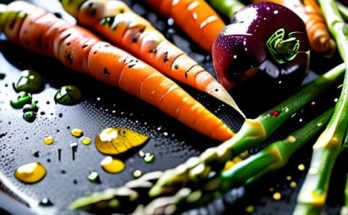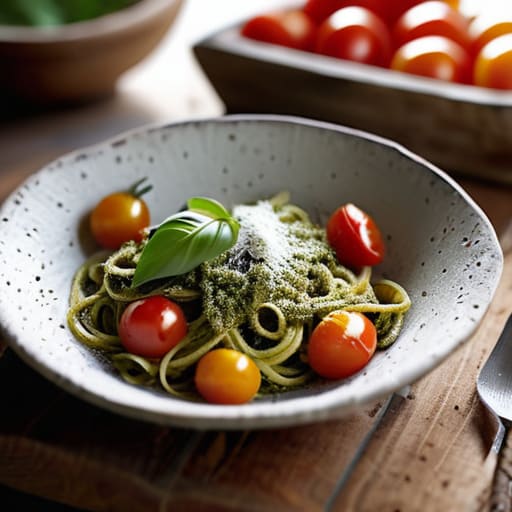
I remember sitting at our cramped kitchen table back home, staring at a half-empty box of generic pasta and trying to figure out if I could stretch it into something that didn’t feel like a punishment. Growing up in a small rental with two siblings, I learned pretty quickly that “eating well” wasn’t about fancy organic labels or aesthetic grain bowls you see on Instagram; it was about the survival math of making sure everyone was full without breaking the bank. There’s this annoying myth floating around that budget friendly meals have to be bland, repetitive, or just plain depressing, but that’s a lie sold by people who don’t actually have to watch their bank balance.
I’m not here to give you a list of complicated recipes that require a specialized pantry and three hours of prep time. Instead, I’m going to show you how to build actual, flavorful meals using the same practical logic I use to manage my own projects and my tiny apartment budget. We’re going to strip away the culinary gatekeeping and focus on high-impact, low-cost staples that work for real life. Let’s stop overcomplicating your dinner and just start eating better.
Table of Contents
Low Cost Grocery Shopping Tips for Real Results
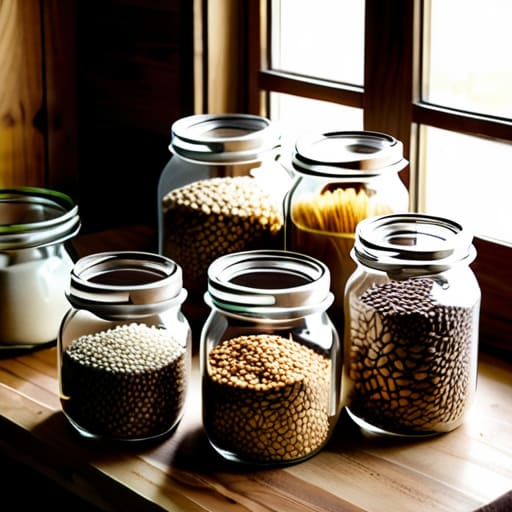
First things first: stop walking into the store without a plan. I learned this the hard way back when I was living in that cramped apartment with my siblings; if we didn’t have a list, we ended up buying expensive, processed junk that left us hungry two hours later. To actually see a difference in your bank account, you need to focus on economical pantry staples like dried lentils, rice, and oats. These are the heavy lifters. They’re dirt cheap, they last forever, and they form the foundation of almost everything I cook.
Once you have the basics, it’s all about how you navigate the aisles. I always tell people to shop the perimeter of the store first—that’s where the whole foods live—and never, ever shop while you’re hungry. If you’re starving, that bag of chips looks like a necessity, but it’s just a budget killer. If you want to master eating well on a tight budget, start looking at what’s in season. Seasonal produce is naturally cheaper and actually tastes like something. It’s not about deprivation; it’s just about being smarter with where your money goes.
Economical Pantry Staples That Do the Heavy Lifting
If you want to stop the cycle of “what’s for dinner?” panic, you need to stop looking at your pantry as a storage space and start seeing it as your tactical advantage. The secret to eating well on a tight budget isn’t about finding magic ingredients; it’s about stocking up on the boring stuff that has a long shelf life. I’m talking about dried lentils, brown rice, canned beans, and oats. These aren’t flashy, but they are the literal foundation of almost every meal I cook. When you have a base of grains and legumes, you’re never more than ten minutes away from a filling meal.
The real trick is how you layer flavor onto these economical pantry staples. A bag of dried black beans costs next to nothing, but if you sauté them with some garlic and cumin from your spice rack, you’ve suddenly got the base for a solid taco night or a hearty soup. Don’t sleep on canned tomatoes or even a decent jar of pesto, either. These are the force multipliers that turn a pile of plain rice into something that actually feels like a real dinner instead of just fuel.
5 Ways to Stop Wasting Money on Your Plate
- Stop buying pre-cut veggies. I know it’s tempting when you’re tired after work, but you’re paying a massive markup for someone else to use a knife. Buy the whole head of broccoli or the bag of carrots and spend ten minutes prepping them yourself. It’s a small trade-off that adds up to huge savings by the end of the month.
- Master the art of the “repurpose.” If you made a big batch of roasted chicken on Sunday, don’t just stare at the leftovers. Shred it for tacos on Tuesday or toss it into a quick pasta on Wednesday. Treating your leftovers as ingredients rather than “old food” is the easiest way to slash your grocery bill.
- Shop your own kitchen before you hit the store. I’ve learned this the hard way: I’ll go to the market thinking I’m out of everything, only to get home and realize I have three cans of chickpeas and a box of pasta gathering dust. Check your pantry first so you’re only buying what you actually need to complete a meal.
- Embrace the frozen aisle. There’s this weird stigma that frozen food isn’t “real” food, but it’s actually a budget lifesaver. Frozen spinach, peas, and berries are picked at peak ripeness and won’t rot in your crisper drawer three days after you buy them. It’s smart, it’s efficient, and it stops food waste in its tracks.
- Learn one “base” recipe and rotate the flavors. You don’t need fifty different recipes. Pick one reliable base—like a grain bowl, a hearty stew, or a sheet-pan roast—and just swap the seasonings. One week it’s Mediterranean with lemon and feta, the next it’s spicy with chili flakes and lime. It keeps things from getting boring without requiring a massive pantry overhaul.
The Bottom Line
Stop buying “convenience” items like pre-cut veggies or individual snack packs; you’re paying a massive markup for five minutes of saved time.
Build your meals around versatile staples like grains and legumes so you aren’t stuck staring at an empty fridge when your paycheck is still a week away.
Focus on flavor through spices and basic technique rather than expensive pre-made sauces that eat into your grocery budget.
The Real Secret to Eating Well
“A budget-friendly meal isn’t about deprivation or eating bland cardboard; it’s about being smart with your ingredients so you can actually afford to live your life outside of the kitchen.”
Owen Silas Vance
Getting Started Without the Stress
Look, I know it feels overwhelming when you’re staring at a grocery receipt that looks more like a phone number than a food budget. But if you take what we talked about today—smart shopping, sticking to those versatile pantry staples, and actually planning a few meals ahead—you’ll see the math start to work in your favor. You don’t need a gourmet kitchen or a massive organic food budget to eat well; you just need a solid system and a few reliable ingredients. It’s about working smarter with what you have, not waiting until you’re flush with cash to start taking care of yourself.
At the end of the day, cooking for yourself isn’t just about saving money; it’s about taking back a little bit of control over your life. I spent years thinking “adulting” meant having everything figured out, but I’ve realized it’s really just about showing up and doing the small, repetitive tasks that keep things running. Don’t aim for a five-star meal tonight. Just aim to make something simple, something cheap, and something that actually fills you up. Stop waiting for the perfect moment to get your nutrition and your finances in order. Just grab a pan, check your pantry, and start where you are.
Frequently Asked Questions
How do I keep my food from going bad if I'm buying in bulk to save money?
Bulk buying only saves you money if you actually eat what you buy. If your spinach turns into green slime in three days, you didn’t save anything—you just threw cash in the trash. My rule is simple: treat your fridge like a logistics project. Portion out meat into freezer bags immediately, use airtight containers for produce, and always follow the “first in, first out” method. If you see something wilting, cook it now.
What are some ways to make cheap, pantry-based meals actually taste like something I'd want to eat?
The secret is learning how to layer flavor so you aren’t just eating “bland mush.” Start with aromatics—garlic, onions, or even just some dried oregano—to build a base. Acid is your best friend too; a squeeze of lemon or a splash of vinegar can wake up a heavy lentil stew instantly. Don’t fear salt, and if you have a few extra bucks, grab one “hero” ingredient like smoked paprika or soy sauce to level up everything.
How much time should I realistically set aside each week for meal prepping if I'm working a full-time job?
Look, I get it. Between a 9-to-5 and trying to have a life, the idea of spending an entire Sunday in the kitchen feels like a second job. Realistically? Aim for two to three hours. Don’t try to prep every single meal for the week at once—that’s how you burn out. Just focus on the heavy lifters: a big batch of grains, some roasted veggies, and a protein. It’s about efficiency, not perfection.