I used to think that learning how to stock a healthy kitchen meant spending my entire Friday paycheck on organic microgreens and artisanal grains that I’d inevitably let rot in the back of the pantry. I grew up in a cramped apartment where we didn’t have the luxury of “aesthetic” grocery hauls; we had to make things work with what we actually had. The internet loves to make nutrition feel like an expensive, high-maintenance hobby, but that’s just gatekeeping disguised as wellness. You don’t need a designer pantry or a massive budget to eat well; you just need a plan that doesn’t fall apart the second you have a long day at work.
I’m not here to sell you on some lifestyle overhaul or a list of overpriced superfoods. Instead, I’m going to show you a practical, step-by-step way to build a foundation of versatile staples that actually fit your life. We’re going to strip away the fluff and focus on smart, repeatable systems that save you money and mental energy. My goal is to give you the tools to master how to stock a healthy kitchen so you can stop stressing about dinner and start actually cooking.
Table of Contents
- Build Your Foundation With Whole Food Pantry Staples
- Mastering Your Nutritious Grocery List Essentials
- Five Ways to Stop the Cycle of Empty Fridges and Expensive Takeout
- The Bottom Line: Keep It Simple
- ## The Philosophy of the Pantry
- Stop Aiming for Perfection, Start Aiming for Preparedness
- Frequently Asked Questions
Build Your Foundation With Whole Food Pantry Staples
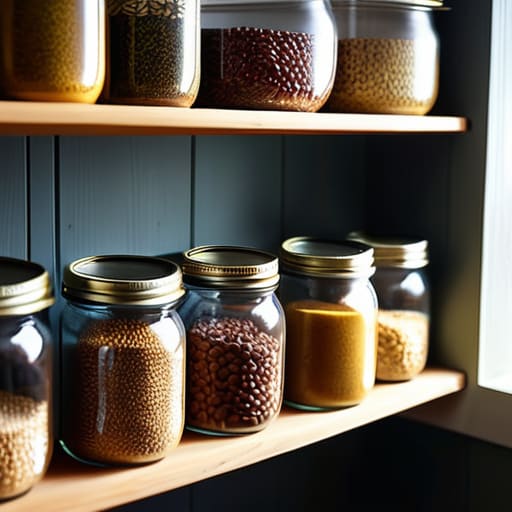
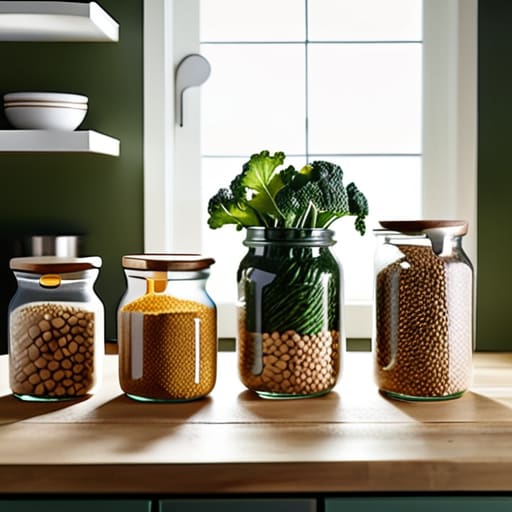
Think of your pantry like the foundation of a building; if it’s shaky, everything else you try to construct—like a quick weeknight dinner—is going to fall apart. You don’t need a massive haul of specialty superfoods to make this work. Instead, focus on whole food pantry staples that have a long shelf life and high versatility. I’m talking about the heavy hitters: dried lentils, brown rice, quinoa, and canned beans. These aren’t just filler; they are the backbone of meal prepping with healthy ingredients without breaking the bank.
I used to think I needed a specific recipe for every single item in my cupboard, but that’s a fast track to food waste. The real trick is buying items that can play multiple roles. A bag of oats can be breakfast one day and a binder for veggie burgers the next. By prioritizing these versatile, minimally processed items, you’re essentially building a toolkit. This approach makes budget friendly nutritious shopping feel less like a chore and more like a strategic move for your future self.
Mastering Your Nutritious Grocery List Essentials
Once you’ve got your staples sorted, the next step is actually getting through the checkout line without losing your mind—or your entire paycheck. The trick isn’t to hunt for every superfood trend on TikTok; it’s about identifying your nutritious grocery list essentials before you even step foot in the store. I’ve learned the hard way that walking into a supermarket without a plan is a fast track to impulse buying expensive, processed snacks that’ll just sit in your cupboard. My rule of thumb? Stick to the perimeter of the store where the fresh stuff lives, and always shop with a list that prioritizes versatile ingredients over single-use items.
If you’re trying to keep things efficient, think about how your items will work together for meal prepping with healthy ingredients later in the week. Instead of buying a pre-made salad kit that’s mostly wilted lettuce and overpriced dressing, grab a head of romaine, a bag of chickpeas, and some real olive oil. It takes an extra minute of prep, but it’s much cheaper and way more satisfying. Focus on building a cart that offers maximum utility for every dollar spent.
Five Ways to Stop the Cycle of Empty Fridges and Expensive Takeout
- Shop your own pantry before you hit the store. I’ve learned the hard way that half the time I think I’m out of food, I just haven’t looked behind the bag of rice. Check your inventory first so you aren’t buying duplicates of things you already own.
- Buy frozen, not just fresh. Fresh produce is great until it turns into a science experiment in your crisper drawer. Frozen veggies are picked at peak ripeness, they’re way cheaper, and they won’t go bad if you have a busy week at work and forget to cook.
- Embrace the “Modular Meal” mindset. Instead of trying to cook complex, five-star recipes every night, just stock up on components—a grain, a protein, and a green. If you have cooked quinoa, a tin of chickpeas, and some frozen spinach, you have a meal in five minutes.
- Stop falling for “healthy” marketing traps. A box of granola might say “organic” and “natural,” but if it’s loaded with sugar, it’s basically dessert. Read the back of the package, not the front. If the ingredient list looks like a chemistry textbook, put it back.
- Keep a “low-effort” backup plan. Always have a few shelf-stable, healthy options for those nights when you’re too exhausted to even think about chopping an onion. Think canned lentils, jarred marinara sauce, or whole-grain pasta. Having a safety net prevents the $30 DoorDash impulse buy.
The Bottom Line: Keep It Simple
Focus on versatility over variety; a few solid staples that can be swapped and mixed will always serve you better than a pantry full of single-use ingredients.
Shop with a plan to protect your budget, but don’t let the fear of “doing it wrong” stop you from grabbing what you actually need to eat well.
Remember that a functional kitchen is built through consistency, not perfection—just start with what you can afford and build from there.
## The Philosophy of the Pantry
“A healthy kitchen isn’t about having a curated collection of expensive superfoods; it’s about having a reliable lineup of basics that makes it easy to say ‘yes’ to a good meal when you’re tired and short on cash.”
Owen Silas Vance
Stop Aiming for Perfection, Start Aiming for Preparedness
Look, I know the idea of a “perfectly stocked kitchen” can feel like another expensive chore on your to-do list, but it doesn’t have to be. We’ve covered the heavy lifters: building a foundation of versatile grains and legumes, and keeping those fresh, nutrient-dense essentials on hand so you aren’t reaching for takeout when you’re exhausted. It’s not about having a gourmet pantry that looks like a Pinterest board; it’s about having the right tools in the drawer so that making a decent meal becomes a reflex rather than a struggle. When you have these basics, you aren’t just buying food—you’re buying back your time and your energy.
At the end of the day, a healthy kitchen is a living thing that evolves with your budget and your schedule. Some weeks you’ll have a fridge full of fresh greens, and other weeks you’ll be living off canned beans and frozen spinach, and that is perfectly okay. Don’t let the fear of doing it “wrong” stop you from doing it at all. Just pick up one or two staples on your next trip, get them into your cupboard, and start from there. Competence is built one meal at a time, and I promise you, you’ve got this.
Frequently Asked Questions
How do I keep all these staples from going bad if I don't cook every single night?
Look, I get it. You buy a bag of spinach with the best intentions, and three days later, it’s a science experiment in your crisper drawer. It’s frustrating and literally throwing money away. My rule of thumb? Shop for “shelf-life tiers.” Buy hardy stuff like sweet potatoes or canned beans for the weeks you’re slammed, and save the delicate greens for when you actually have the energy to cook. Also, get some glass containers—they keep things fresh way longer than plastic.
Is it actually cheaper to buy in bulk, or am I just wasting money on stuff I won't use?
Honestly, it’s a trap if you aren’t careful. Bulk buying only saves you money if the item has a long shelf life and you actually use it regularly. Buying a massive bag of quinoa is a win; buying a gallon of specialty sauce you’ll use once is just expensive clutter. Before you hit the bulk aisle, check the unit price and ask yourself: “Will I finish this before it expires?” If the answer is “maybe,” skip it.
What’s the bare minimum I need to buy if I’m on a really tight weekly budget?
Look, I get it. Some weeks the bank account just isn’t cooperating. When things are tight, forget the fancy organic superfoods and focus on “survival staples” that stretch. Grab a bag of dried lentils or beans, a large container of oats, a dozen eggs, and some frozen spinach. These are cheap, calorie-dense, and won’t spoil by Tuesday. It’s not a gourmet feast, but it’s fuel that keeps you going without breaking the bank.