I used to think that eating well meant spending my entire Saturday meal-prepping elaborate, color-coded Tupperware containers or dropping a week’s worth of wages on organic specialty grocers. Between my junior project coordinator role and trying to keep my apartment from falling apart, I just didn’t have the bandwidth for that kind of performance. Most people think they need a culinary degree to stay fit, but the truth is that most “wellness” trends are just expensive gatekeeping. I’ve spent a lot of time learning how to hack my budget and my schedule, and I’ve realized that finding easy healthy recipes isn’t about perfection—it’s about finding what actually works when you’re exhausted.
In this post, I’m stripping away the fluff and giving you five straightforward, no-nonsense meals that I actually rely on. These aren’t fancy recipes with twenty ingredients you’ll never use again; they are practical tools for your kitchen. You’re going to learn how to fuel your body without turning your kitchen into a disaster zone or your bank account into a tragedy. Let’s stop overcomplicating the most basic part of our day and just start eating better.
Table of Contents
The One-Pan Roasted Veggie & Chickpea Toss
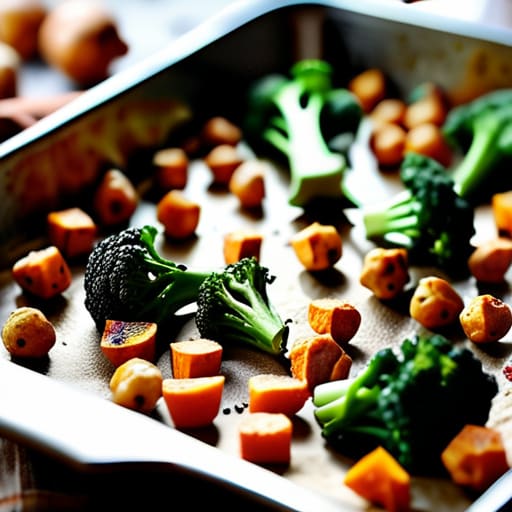
I used to think “healthy eating” meant spending two hours prepping delicate salads, but my bank account and my schedule didn’t agree. Now, I just grab a sheet pan, toss some canned chickpeas, chopped sweet potatoes, and broccoli in olive oil, and let the oven do the heavy lifting. It’s the ultimate low-effort, high-reward meal for those nights when you’re too drained to even look at a recipe book.
Pantry-Staple Black Bean Tacos
When I was growing up in a tight rental, we learned that the best meals often came from what was already in the cupboard. These tacos are my go-to when I realize I haven’t been to the grocery store in six days. You just need a can of black beans, some corn tortillas, and whatever spices you have lying around—usually cumin or chili powder.
The "Everything" Grain Bowl
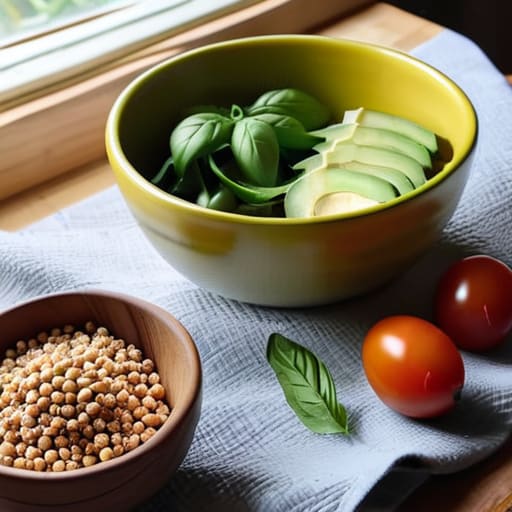
If you’re like me and find yourself staring at the fridge at 7:00 PM, you need to master the grain bowl. I keep a big batch of quinoa or brown rice in the fridge at all times because it acts as a foundation for anything. You can throw in leftover roasted veggies, a handful of spinach, and a hard-boiled egg for a hit of protein.
One-Pot Red Lentil Dahl
One-Pot Red Lentil Dahl
There is something incredibly grounding about a warm bowl of lentils, especially when the weather gets a bit gray. I started making this because red lentils cook incredibly fast compared to other legumes, meaning you aren’t waiting an hour for dinner to be ready. You just simmer them with coconut milk, canned tomatoes, and turmeric until they break down into a creamy, comforting texture.
Cold Soba Noodle Salad
On those days when the kitchen feels too hot or you just don’t want to stand over a stove, I lean on cold noodle salads. Soba noodles—which are made from buckwheat—cook in just a few minutes and feel much more substantial than standard white pasta. I toss them with shredded carrots, cucumber, and a quick ginger-soy dressing for something that is refreshing yet filling.
The Bottom Line
Stop chasing perfection; a decent, home-cooked meal is always better for your wallet and your body than another expensive, processed takeout order.
Master a few versatile staples rather than trying to learn a hundred complex recipes—consistency beats variety every single time.
Keep your kitchen low-friction by prepping only what you need to actually eat, so you don’t end up wasting money on ingredients that just rot in the crisper drawer.
## The Reality of Real Food
“Stop waiting for a perfectly curated kitchen or a massive grocery budget to start eating better. Real cooking isn’t about the aesthetic; it’s about having a few reliable, simple staples that actually fuel you when life gets busy.”
Owen Silas Vance
Getting Started Without the Stress
Look, the point of these recipes isn’t to turn your kitchen into a Michelin-star restaurant or to spend three hours cleaning up a mountain of dishes. Whether you’re leaning into the one-pan roasted veggies or sticking to the quick grain bowls, the goal is consistency over perfection. You don’t need a pantry full of expensive superfoods or a massive grocery budget to eat well; you just need a few versatile staples and the willingness to actually use them. By keeping your ingredients simple and your methods straightforward, you’re effectively removing the friction that usually makes us default to expensive, greasy takeout when we’re tired after work.
At the end of the day, cooking is just another practical skill, much like fixing a leaky faucet or balancing a budget. It’s something you learn by doing, not by reading a thousand different food blogs. Don’t let the fear of a burnt pan or a poorly seasoned dish stop you from trying. Even if the first few attempts aren’t exactly what you pictured, you’re still building the muscle memory of a capable adult. So, grab your multi-tool if you need to prep something, keep your receipts organized, and just start cooking. You’ve got this.
Frequently Asked Questions
How do I make sure these meals actually stay fresh in the fridge for the whole work week?
The secret isn’t fancy containers; it’s how you pack them. Stop mixing everything in one big bowl—that’s how you end up with soggy leftovers by Wednesday. Keep your dressings and “wet” ingredients in separate small containers, and only combine them right before you eat. Also, invest in a few decent glass airtight containers. They last longer than plastic, don’t hold onto smells, and actually keep your food crisp until Friday.
I'm on a tight budget—can I swap out these ingredients for cheaper staples without ruining the recipe?
Absolutely. I grew up in a house where we didn’t swap ingredients because we wanted to; we did it because we had to. Most of these recipes are built on flavor profiles, not specific brand names. Swap kale for spinach, or fresh herbs for dried ones. If a recipe calls for expensive proteins, lean into lentils or eggs. As long as you keep the core seasoning, you’ll save a ton without losing the soul of the meal.
What’s the best way to prep these if I only have about 20 minutes after getting home from work?
Look, I get it. After a long shift, the last thing you want is a kitchen marathon. My rule is: don’t cook, just assemble. Use that 20 minutes to lean on “cheat” ingredients—pre-washed greens, rotisserie chicken, or canned beans. While the kettle boils or the microwave runs, chop one thing, toss the rest in a bowl, and season heavily. It’s not a gourmet production; it’s just fuel. Get it done, eat, and reset.