I still remember standing in my parents’ cramped kitchen at nineteen, staring at a pile of wilting spinach and a half-empty jar of miso, feeling like a total failure because I didn’t have a printed guide telling me exactly how many grams of salt to add. I used to think that if I wasn’t following a precise set of instructions, I was somehow failing at being an adult. But honestly? Most of those polished, aesthetic cooking videos are just gatekeeping. They make it seem like you need a professional pantry and a degree to make something edible, when the real secret to how to cook without a recipe is just understanding how flavors actually play together.
I’m not here to give you a list of “magical” ingredients or tell you to buy expensive gadgets you’ll never use. Instead, I want to show you how to build actual culinary intuition by focusing on the fundamentals: acidity, fat, heat, and salt. We’re going to strip away the intimidation and focus on the logic behind the pan. My goal is to give you the framework so you can look at whatever random scraps are left in your fridge and turn them into a decent meal with total confidence.
Table of Contents
Mastering the Art of Cooking by Instinct
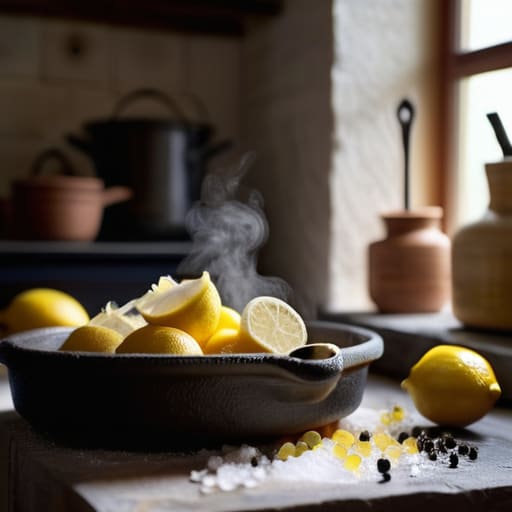
To get good at this, you have to stop treating your kitchen like a chemistry lab and start treating it like a workshop. It’s about understanding cooking ratios rather than memorizing exact measurements. Most great dishes are just variations of a basic formula: a fat, an acid, a salt, and a heat. Once you grasp that a squeeze of lemon or a splash of vinegar can brighten a heavy, fatty stew, you aren’t just following steps anymore—you’re actually solving problems.
I spent years thinking I needed a specific brand of spice to make things taste “right,” but real progress came through seasoning by taste and paying attention to how ingredients interact in the pan. Instead of reaching for a cookbook the second something tastes flat, ask yourself: does it need brightness, or does it need depth? If it’s dull, add acid. If it’s sharp, add a bit of fat or sugar. This kind of kitchen improvisation skills is what separates someone who just executes a task from someone who actually knows how to cook. It’s a muscle; the more you use it, the stronger it gets.
Building Your Foundation With Pantry Staple Cooking
You don’t need a massive, gourmet grocery haul to make something that actually tastes good. In fact, most of my best meals come from what I call “emergency cooking”—that moment when I realize I have zero energy for a grocery run but still want something better than toast. The secret lies in pantry staple cooking. If you keep the basics—think dried pasta, canned beans, rice, aromatics like garlic and onions, and a decent stock—you’re already halfway there. Instead of looking for a specific dish, look at what you have and start asking how those ingredients can work together.
The real shift happens when you move from following a list to understanding cooking ratios. For example, if you know the basic balance of a vinaigrette or the ratio of liquid to grain in a risotto, you stop being a slave to the measuring cup. You start seeing ingredients as building blocks rather than isolated items. It’s about learning how acid, fat, and salt interact. Once you grasp those fundamental mechanics, you aren’t just making food; you’re developing the kitchen improvisation skills needed to turn a random tin of chickpeas into a legitimate meal.
Five ways to stop reading and start tasting
- Learn the “Salt, Fat, Acid, Heat” rhythm. If a dish feels flat, it usually needs acid (a squeeze of lemon or a splash of vinegar) to wake it up, or salt to pull the flavors forward. Don’t just dump it in; add a little, taste, and repeat.
- Think in frameworks, not recipes. Instead of looking for a “Chicken Piccata” recipe, just remember: protein + fat (butter/oil) + acid (lemon) + aromatics (garlic/capers). Once you realize most meals are just variations of these same building blocks, the panic disappears.
- Get comfortable with “The Scraps.” I learned a lot about flavor by seeing what was left in the bottom of my vegetable drawer. Sautéing those wilting onions, half a bell pepper, or a lonely carrot isn’t just about saving money—it’s how you learn how different textures and flavors meld together.
- Trust your nose and your eyes. If the garlic smells like it’s about to turn bitter, pull it off the heat immediately. If the sauce looks too thin, let it simmer. Your senses are much faster and more accurate than a printed set of instructions.
- Keep a “flavor mental map.” When you make something that actually tastes good, don’t just move on. Think about why it worked. Was it the crunch of the toasted seeds? The brightness of the lime? Write that one specific detail down in your notebook so you can replicate the win next time.
The Bottom Line
Stop treating recipes like sacred texts and start seeing them as mere suggestions; the goal is to understand how flavors interact, not just how to follow directions.
Invest in your pantry, not your gadgets—having a solid rotation of acids, fats, and aromatics is what actually gives you the freedom to improvise.
Trust your senses over your phone; if a dish tastes flat, it probably needs acid or salt, and the only way you’ll learn that is by tasting as you go.
## Stop Treating Recipes Like Manuals
A recipe is just a map, not the destination. Once you understand how salt, fat, and acid actually interact, you can stop staring at a screen and start trusting your own hands.
Owen Silas Vance
Trust the Process
At the end of the day, cooking without a script isn’t about being a master chef; it’s about understanding the logic of flavor. We’ve covered how to lean on your pantry staples, how to balance salt, fat, and acid, and how to stop letting a missing ingredient paralyze you. You don’t need a kitchen full of expensive gadgets or a stack of cookbooks to make something decent. You just need to understand the basic mechanics—knowing that a squeeze of lemon can fix a heavy sauce or that a bit of heat can wake up a dull protein. Once you stop treating recipes like sacred laws and start seeing them as mere suggestions, the kitchen stops being a place of stress and starts being a place of control.
I know it feels intimidating to stand over a pan without a roadmap, especially when you’re worried about wasting money or ruining a meal. But remember, every mistake you make is just a data point for your next attempt. I’ve burned more pans and over-salted more soups than I care to admit, but that’s exactly how I learned to trust my own hands. Stop waiting for the “perfect” moment to try something new. Just grab what’s in the fridge, trust your gut, and start doing it. You’ve got this.
Frequently Asked Questions
What do I do if I accidentally over-season something while I'm tasting as I go?
Don’t panic—it happens to the best of us. If you’ve gone overboard on salt, don’t just keep adding water; that usually just makes it bland and watery. Try adding an acid like a squeeze of lemon or a splash of vinegar to cut through the saltiness. If it’s just too intense overall, bulk it up with more of your base ingredients, like more grains, veggies, or unsalted broth. Balance is a skill; keep adjusting.
How can I tell if a dish is actually "done" without looking at a timer or a recipe's specific instructions?
Stop staring at the clock; it’s lying to you. Instead, use your senses. If you’re searing meat, look for that firm, springy resistance when you press it—it should feel like the fleshy part of your palm. For veggies, aim for “fork-tender,” meaning they yield easily but still hold their shape. Most importantly, taste it. If the texture feels mushy or the center is still resistant, it needs more time. Trust your hands and your tongue.
Is there a specific order I should add ingredients so I don't end up with a mess of textures?
Think of it like a construction project: you don’t put the roof on before the foundation is set. Start with your aromatics—onions, garlic, or ginger—to build that base flavor in the oil. Then, move to your harder vegetables or proteins that need time to sear. Save the delicate stuff, like leafy greens or soft herbs, for the very end. If you rush the order, you’ll end up with mushy veg and raw meat.