I used to think that learning how to season food meant buying a $50 artisanal spice blend or following some hyper-specific recipe that required ingredients I couldn’t afford on a junior coordinator’s salary. Growing up in a cramped apartment with my siblings, “gourmet” wasn’t really in the vocabulary; we just had whatever was in the pantry and a prayer. I spent way too many nights staring at a bland, gray piece of chicken, feeling like I was failing at a basic human skill just because I didn’t have a massive spice rack or a culinary degree. It turns out, most of that high-end culinary gatekeeping is just noise designed to make you feel like you aren’t capable.
I’m not here to teach you how to cook like a Michelin-star chef; I’m here to show you how to make things taste good without the pretension. I’ve stripped away the fluff to give you a practical, no-nonsense breakdown of the fundamentals. We’re going to focus on the actual mechanics of salt, acid, and heat so you can stop following recipes blindly and start trusting your own palate. This is about building competence, not collecting expensive jars of saffron you’ll only use once.
Table of Contents
Mastering the Essential Spice Pantry Staples
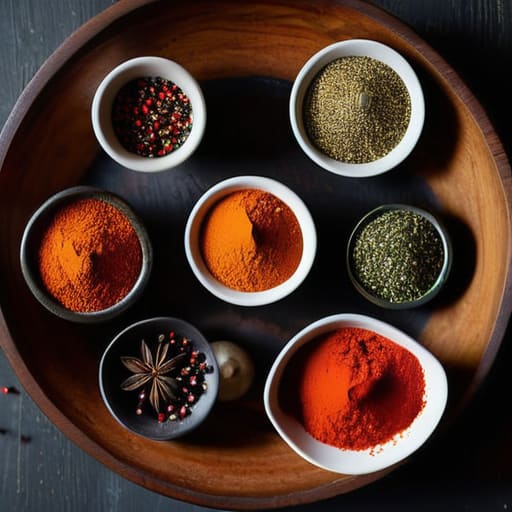
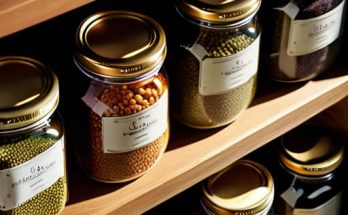
You don’t need a hundred glass jars cluttering your cabinets to make something taste good. In fact, that’s how you end up with expired dust that does nothing for your meal. I started my first kitchen with just a handful of basics, and honestly, that’s all you really need to get moving. Focus on building a foundation of essential spice pantry staples: kosher salt, black peppercorns, garlic powder, smoked paprika, and maybe some dried oregano or cumin.
One thing that tripped me up early on was the difference between spices and herbs. Think of spices as the dried seeds, bark, or roots—they’re usually heat-intensive and bold. Herbs are the leaves, which are more delicate. If you’re using dried herbs, add them early so they can rehydrate in the heat; if they’re fresh, toss them in at the end so they don’t turn into gray mush. Once you have these basics down, you stop following recipes blindly and start actually understanding how to build layers of taste. It’s less about following a script and more about knowing your tools.
The Real Difference Between Spices and Herbs
I used to think “seasoning” was just a fancy word for dumping whatever was in the cabinet onto a pan, but there’s a logic to it that actually makes things easier once you get it. The biggest hurdle is understanding the difference between spices and herbs. Think of it this way: spices come from the “hard” parts of a plant—the seeds, bark, roots, or berries. They’re usually dried and have a punchy, concentrated heat or warmth. Herbs, on the other hand, are the leafy green bits. They’re generally more delicate and provide that fresh, aromatic lift to a dish.
Because they behave differently, you have to time them right. If you throw delicate dried herbs into a scorching hot pan at the start, you’re basically just burning money; they’ll turn bitter. I usually save my herbs for the end of the process to preserve their brightness. Spices, however, love the heat. They need that initial contact with oil or fat to really unlock their flavor profiles. Once you stop treating them like interchangeable powders and start seeing them as different tools in your kit, your cooking is going to level up immediately.
Five Rules to Stop Making Bland Food
- Season as you go, not just at the end. If you wait until the plate is in front of you to add salt, you’re just masking a mistake; if you season in layers while cooking, you’re building actual depth.
- Taste everything. It sounds obvious, but you can’t fix what you haven’t checked. Keep a clean spoon handy and taste your food at every stage so you actually know if it needs more acid, more salt, or more heat.
- Learn the difference between salt and acid. If a dish tastes “flat” but you’ve already added salt, don’t keep dumping more in—reach for a squeeze of lemon or a splash of vinegar instead. Acid brightens flavors; salt just enhances them.
- Don’t be afraid of the heavy hand. Most home cooks under-season because they’re scared of ruining the dish. It’s much easier to add a little more pepper than it is to fix a meal that’s been over-salted, so trust your gut and lean in.
- Use fresh spices when you can. If your dried oregano smells like nothing when you rub it between your fingers, it’s dead weight in your pantry. Old spices don’t add flavor; they just add texture, and that’s a waste of your time and money.
The Bottom Line
Stop buying massive, pre-mixed spice sets; stick to the essentials and build your pantry based on what you actually cook.
Learn the distinction between dried herbs and spices so you know when to add them—herbs usually go in at the end, while spices need heat to wake up.
Trust your palate over the recipe; seasoning is a continuous process of tasting and adjusting, not a one-and-done step.
The Golden Rule of the Kitchen
“Don’t wait until the dish is finished to realize it’s bland; seasoning isn’t a final step, it’s a continuous conversation between you and the ingredients. Taste as you go, adjust as you learn, and stop treating your spices like they’re some kind of mystery ritual instead of just tools to make your food taste like actual food.”
Owen Silas Vance
Stop Overthinking and Start Tasting
At the end of the day, seasoning isn’t some mystical art reserved for Michelin-star chefs; it’s just about building a foundation. You’ve got your pantry staples ready, you know the difference between a dried herb and a ground spice, and you understand that salt is your best friend. The goal isn’t to follow a recipe to the letter, but to use these tools to build layers of flavor that make sense to your palate. Don’t be afraid to lean on those basics, but don’t be afraid to deviate from them either. Just remember: season as you go, not just at the very end, so you can actually taste the progress.
I know it feels intimidating when you’re staring at a bland-looking pan of chicken or a pot of lentils, but competence comes from the repetition. You’re going to over-salt something eventually, and you’re going to under-season something else, and honestly? That’s part of the process. The more you do it, the more your intuition will take over. Stop waiting for a “perfect” moment to cook something gourmet and just start doing it. Your kitchen, your budget, and your taste buds will thank you for the practice. You’ve got this.
Frequently Asked Questions
How do I know if I've added too much salt without ruining the whole dish?
First, don’t panic. If it’s a liquid base like a soup or sauce, try adding a splash of acid—lemon juice or vinegar—to cut through the saltiness. If it’s a solid dish, adding a starch like a peeled potato can help absorb some, though it’s a bit of a temporary fix. Honestly, the best move is usually just to bulk it up. Add more unsalted broth, more veggies, or more grains to dilute the concentration.
Is there a specific order I should follow when adding spices so they don't burn or clump?
Think of it as a timeline. Start with your “hard” aromatics—garlic, onions, or dried spices like cumin and chili powder—and hit them in the oil early. This lets the fat carry the flavor through the whole dish. Save your delicate dried herbs or fresh stuff for the last few minutes. If you toss everything in at once, you’ll end up with bitter, burnt spices or herbs that taste like nothing. Timing is everything.
Can I use dried spices as a direct replacement for fresh ones, or will the flavor be totally different?
Short answer: Yes, you can, but don’t treat them as a 1:1 swap. Dried spices are more concentrated, so if you dump in a tablespoon of dried basil thinking it’s the same as fresh, you’re going to ruin your dinner. A good rule of thumb I use? Use about one-third the amount of dried spices compared to fresh. Dried is for building deep flavor during cooking; fresh is for that bright finish at the end.