We’ve all been there: it’s 7:00 PM, you’re exhausted from a long shift, and the last thing you want to do is wrestle with a complicated cookbook or spend a fortune on takeout that’s just going to leave you feeling sluggish. When life gets heavy, food shouldn’t be another source of stress; it should be the thing that grounds you. I used to think that making something truly soul-warming required hours of prep and a pantry full of expensive ingredients, but I’ve learned that the best easy comfort food recipes are actually the ones that respect your time and your budget.
In this post, I’m breaking down five of my personal go-to meals that prove you don’t need a culinary degree to eat well. I’m going to show you how to master minimalist cooking that delivers maximum flavor without the unnecessary cleanup. These aren’t just random ideas; they are practical, reliable staples designed to help you reclaim your evening and fuel your body properly. Let’s stop letting a busy schedule dictate a bad diet and just start cooking something that actually feels like home.
Table of Contents
The One-Pot Pantry Pasta
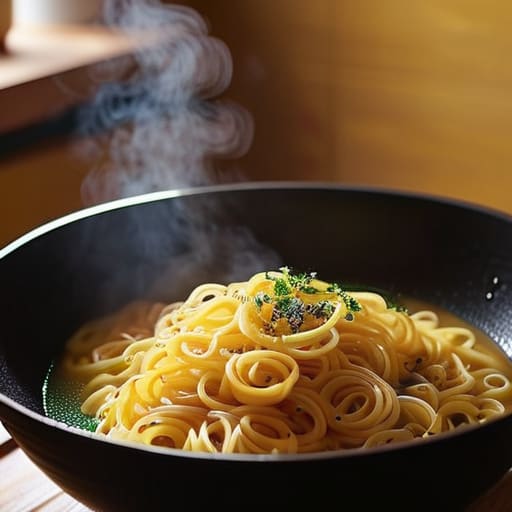
When I was working my first internship, I realized I didn’t have the energy for a sink full of dishes after a ten-hour shift. This pasta is my go-to because you basically throw everything into one pot—dry noodles, garlic, olive oil, red pepper flakes, and just enough water or broth to cover it. As the liquid evaporates, it creates its own silky sauce that clings to the pasta perfectly.
Sheet Pan Roasted Sausage and Veggies
If you can chop a vegetable, you can make this meal. I love this recipe because it’s almost impossible to mess up, and it makes the kitchen smell like a high-end bistro. You just toss sliced smoked sausage, bell peppers, onions, and broccoli in a bit of oil and salt, spread them out on a baking sheet, and let the oven do the heavy lifting.
Upgraded Grilled Cheese and Tomato Soup
We all know the classic version, but I’ve learned that a few small tweaks can turn a childhood snack into a legitimate meal. Instead of using just standard American cheese, try a mix of sharp cheddar and maybe a little Gruyère if your budget allows. Also, spread mayo on the outside of the bread instead of butter—it gives you a much more even, golden-brown crunch that doesn’t burn as easily.
Loaded Breakfast Burritos for Dinner
I used to think breakfast foods were just for mornings, but when you’re staring at a dwindling grocery budget, eggs are your best friend. Scramble a few eggs with some black beans, leftover rice, and whatever cheese you have left in the fridge. Wrap it all in a large flour tortilla, and you have a handheld meal that is surprisingly filling.
Slow-Cooked Savory Chicken Thighs
Chicken thighs are much more forgiving than breasts—they’re harder to overcook and they have way more flavor for a fraction of the price. I like to sear them in a pan first to get the skin crispy, then toss them into a pot with some chicken stock, carrots, and potatoes. You can let it simmer on the stove or even throw it in a slow cooker if you have one.
The Bottom Line
Don’t let a lack of fancy equipment or expensive ingredients stop you; the best meals are usually the ones built on solid, simple foundations.
Cooking is a skill, not a talent, so treat these recipes as practice runs to build your confidence in the kitchen.
Keep your pantry stocked with versatile basics so you can whip up something comforting even when you’re too tired to hit the grocery store.
The Truth About Comfort Food
Comfort food shouldn’t require a trip to a specialty grocer or a three-hour prep time; it’s about using what you have in the pantry to make something that actually makes you feel human again at the end of a long day.
Owen Silas Vance
Getting Comfortable in the Kitchen
At the end of the day, these recipes aren’t about achieving some Michelin-star level of perfection or spending three hours hovering over a stove after a long shift. Whether you’re whipping up a quick pasta, perfecting a grilled cheese, or leaning on a hearty stew, the goal is the same: functional nourishment. You don’t need a massive pantry or expensive specialty ingredients to make something that actually tastes good and settles your soul. Just remember that the most important part of cooking is the lack of pretension. Keep your tools simple, your ingredients accessible, and your expectations realistic.
I know that when you’re exhausted and your bank account is looking a little thin, the idea of “cooking” can feel like just another chore on an endless to-do list. But I promise you, once you stop viewing the kitchen as a place of judgment and start seeing it as a place of control, everything changes. You’re learning a skill that pays dividends every single time you sit down to eat. So, grab a pan, don’t worry about the minor mistakes, and just start doing it. You’ve got this.
Frequently Asked Questions
Can I swap out some of these ingredients for cheaper versions without ruining the meal?
Absolutely. Look, I didn’t grow up with a massive grocery budget, so I’ve learned that recipes are just blueprints, not laws. If a recipe calls for fresh herbs and you’ve only got dried, or if a specific brand of cheese is spiking your total, swap it. Just keep an eye on the ratios—dried spices are more potent, so use less. As long as the core flavors stay balanced, you’re golden. Don’t let a price tag stop you from cooking.
How do I prep these ahead of time so I'm not stuck in the kitchen all week?
Look, the goal isn’t to spend your entire Sunday hovering over a stove. I swear by “component prepping.” Instead of making full meals, prep the building blocks: chop your onions and garlic, brown a big batch of ground meat, or boil a pot of grains. Store them in glass containers in the fridge. When Tuesday hits and you’re exhausted, you aren’t “cooking”—you’re just assembling. It saves time, money, and a lot of mental energy.
What are some ways to make these recipes a bit healthier if I'm trying to watch my nutrition?
Look, I get it. You want the cozy vibes without the heavy food coma. You don’t have to ditch these recipes; just tweak the components. Swap heavy creams for Greek yogurt or a splash of low-sodium broth. If a recipe calls for pasta, try a whole-grain version or even roasted veggies as the base. It’s about small, tactical swaps that keep you full without overcomplicating your nutrition. Just keep it simple.