I used to think that having a “designer” home meant spending a month’s rent on a single ceramic vase from a boutique shop. Growing up in a cramped rental, I quickly realized that most of those high-end aesthetics are just clever marketing designed to make us feel like our spaces are incomplete. But honestly? You don’t need a massive budget to get that industrial, intentional look; you just need a bag of quick-set cement and a little bit of grit. I’ve spent way too many weekends experimenting with different concrete craft ideas to find the ones that actually work without turning your kitchen into a construction zone.
In this post, I’m stripping away the intimidation factor and sharing five specific projects that are actually doable for anyone with a weekend to spare. We’re going to move past the messy trial-and-error phase and get straight to the goods. I’ll show you how to create everything from minimalist desk organizers to custom planters that look like they cost fifty bucks at a high-end showroom. By the time we’re done, you’ll have the confidence to stop scrolling through Pinterest and just start making something that actually fits your life.
Table of Contents
Minimalist Desk Trays
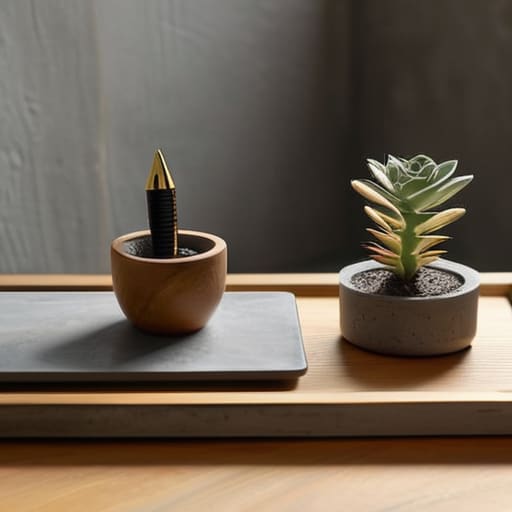
If your workspace looks like a chaotic pile of loose change and paperclips, a concrete desk tray is the quickest fix. I started making these because I was tired of my small apartment desk feeling cluttered, and honestly, there is something incredibly satisfying about the weight of a solid concrete piece. You don’t need fancy molds; you can literally use an old yogurt container or a small plastic food tub as your base. Just make sure you lightly coat the inside with a bit of vegetable oil so the concrete doesn’t bond to the plastic forever.
Industrial Plant Pots
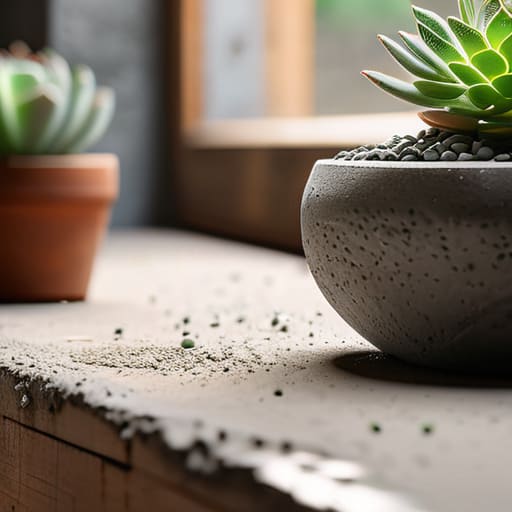
I’ve spent way too much money on ceramic planters that end up breaking during a move, so I decided to start casting my own. Concrete planters are perfect for that urban, minimalist vibe, and they are much more durable than you’d expect. All you need is a larger container to act as the outer mold and a smaller one for the inner mold to create the hollow center where the soil goes. You’ll need a few heavy stones or even some pebbles to weigh down the inner mold so it doesn’t float up when you pour the wet cement.
Brutalist Candle Holders
There is something about the contrast between a flickering flame and a cold, heavy concrete base that just works. I love making these because they are almost impossible to mess up, making them a great entry point if you’re feeling nervous about DIY. You can use simple geometric shapes—like a small rectangular Tupperware—to create a base that looks like it belongs in a high-end design boutique. It’s all about embracing the raw texture rather than trying to hide it.
Geometric Coasters
Coasters are the ultimate “low stakes” project. If one cracks or looks a little wonky, it’s not the end of the world, but if you nail it, you’ve got a set of heavy-duty organizers that won’t slide around your table. I usually use silicone molds for these because they are incredibly easy to peel away, which saves you a lot of frustration during the demolding process. It’s a great way to repurpose small spaces in your kitchen or living area without spending a fortune.
Statement Bookends
If you have a collection of books that keeps sliding into a heap, concrete bookends are a total game-changer. Because concrete is naturally heavy, these provide the kind of anchor weight that lightweight plastic or wooden versions just can’t match. You can go for a classic L-shape by using two rectangular molds, or you can get creative with more abstract, chunky shapes. I personally like the look of slightly irregular edges because it feels more authentic and less like it came off a factory assembly line.
The Bottom Line
Don’t sweat the imperfections; concrete is supposed to look raw and a little uneven, and that’s exactly where the character comes from.
Start small with cheap materials like quick-setting cement to build your confidence before you try anything massive or expensive.
Focus on the utility of the piece—if it looks good and actually holds your keys or your pens, you’ve already won.
The Beauty of Imperfection
Concrete isn’t about achieving some flawless, factory-made finish; it’s about the grit and the texture of something you built with your own two hands. Don’t stress the small air bubbles or the uneven edges—that’s just the character of the piece telling you that you actually made it.
Owen Silas Vance
Stop Waiting for Perfection
Look, we covered a lot of ground here, from those minimal planters and geometric coasters to the more ambitious desk organizers and candle holders. Whether you’re casting a simple tray or experimenting with textures, the core takeaway is that you don’t need a professional studio to create something that looks high-end. All you really need is a bit of quick-setting cement, a couple of repurposed molds, and the willingness to get your hands a little dirty. You’ll likely mess up your first batch—maybe a bubble pops up or a corner chips—but that’s just part of the process of learning how the material actually behaves.
At the end of the day, the goal isn’t to turn your apartment into a museum of flawless objects; it’s about the satisfaction of knowing you made something functional with your own two hands. There is a specific kind of confidence that comes from looking at a piece of decor and saying, “I built that,” instead of just checking a price tag on a website. So, grab a bag of cement, clear off a small corner of your workspace, and just start making something. You’ve got this.
Frequently Asked Questions
Do I really need a professional mold, or can I just use old yogurt containers and Tupperware from my kitchen?
Honestly? You definitely don’t need to drop cash on professional silicone molds right away. I’ve used everything from old yogurt containers to discarded Tupperware to get projects off the ground. Just a heads-up: concrete is heavy and can be abrasive, so if you’re using plastic, give it a quick spray with some cooking oil first to make sure it doesn’t bond to the container. Grab what you have and just start making something.
How do I stop the concrete from cracking or crumbling once it actually dries?
The biggest mistake people make is rushing the drying process. If it dries too fast, it cracks; if it stays wet too long, it crumbles. For small projects, I always seal my pieces with a concrete sealer or even a matte polyurethane once they’re fully cured. It fills those microscopic pores and keeps the structure solid. If you see tiny hairline cracks, don’t panic—just sand them down and hit them with a bit of sealer.
What's the best way to sand it down so it doesn't feel like a piece of sidewalk on my desk?
Look, I get it. If you stop too early, your new planter feels like a chunk of curb. To get that smooth, premium feel, you need to move through sandpaper grits like you’re leveling up in a game. Start with a 120-grit to knock down the heavy bumps, then jump to 220, and finish with 400. If you want it truly silky, hit it with a wet-sanding technique using 600-grit. It takes a little elbow grease, but it’s worth it.