I used to think that “cooking” meant a mountain of pots, pans, and a sink full of dishes that would take me an hour to scrub. Growing up in a cramped apartment with my siblings, I didn’t have the luxury of space or the budget for expensive kitchen gadgets, so I learned the hard way that efficiency is everything. When you’re juggling a job and trying to keep your life together, the last thing you need is a kitchen nightmare after a long shift. That’s why I’ve become a huge advocate for easy one pot meals; they aren’t just a shortcut, they are a way to reclaim your time and your sanity without sacrificing a decent meal.
In this post, I’m breaking down five of my go-to recipes that prove you don’t need a culinary degree to eat well. These aren’t those overly complicated, “aesthetic” recipes you see on social media—these are real-world wins designed for people with actual lives. I’m going to show you exactly how to prep, cook, and clean up using just a single vessel, so you can stop staring at your empty fridge and start eating something that actually tastes good.
Table of Contents
The Pantry Staple Pasta
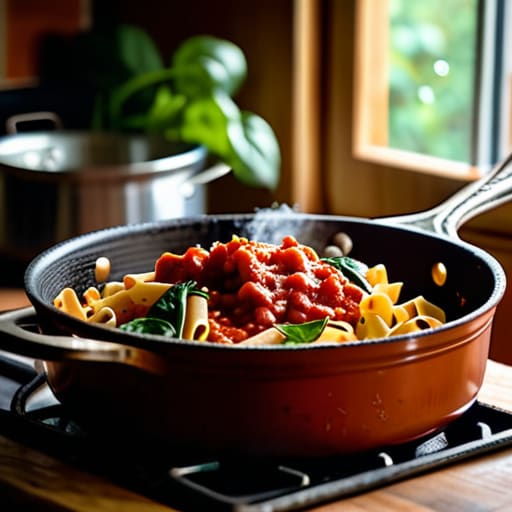
When I was pulling double shifts in my first real job, I didn’t have the energy to hunt down fancy ingredients. This is my go-to because it relies on stuff you probably already have sitting in the back of your cupboard. You just toss dry pasta, a jar of marinara, some water, and maybe a handful of frozen spinach into one pot. As the pasta cooks, it absorbs all that flavorful sauce instead of just soaking up plain water, which makes the whole thing taste way more expensive than it actually is.
Sheet Pan Sausage and Veggies
I know, technically a sheet pan isn’t a “pot,” but if we’re talking about minimizing cleanup, this belongs in the conversation. I usually grab a pack of smoked sausage, chop it into chunks, and toss it on a tray with whatever vegetables are looking a little sad in my fridge—bell peppers, onions, or broccoli work great. Drizzle some olive oil and dried oregano over the top, and let the oven do the heavy lifting.
The Lazy Red Lentil Stew
If you want to feel good without spending a fortune on “superfoods,” red lentils are your best friend. I started making these because they’re incredibly cheap and they cook much faster than other beans. You just throw lentils, a can of diced tomatoes, some vegetable broth, and a spoonful of curry powder into a pot. Once it starts bubbling, you just let it sit until the lentils break down into a thick, comforting texture.
One-Pan Chicken and Rice
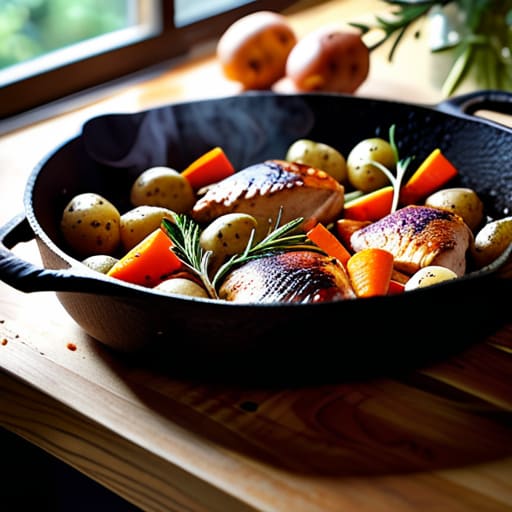
This is the meal I make when I want something that feels substantial but doesn’t require me to wash five different pans. You sear some chicken thighs in a pot first to get that golden skin, then you push them to the side and dump in your rice and chicken broth. It’s a bit of a science, but once you nail the ratio, it becomes second nature.
Beef and Bean Chili
Chili is the ultimate “set it and forget it” meal for when you have a busy week ahead. I usually brown some ground beef, throw in a can of kidney beans, a jar of salsa, and a little chili powder. It’s not fancy, and it certainly isn’t “aesthetic,” but it is unbelievably filling and gets better every time you reheat it.
The Bottom Line
One pan doesn’t mean low effort; it just means you’re choosing to spend your energy on the food instead of the cleanup.
Don’t get precious with recipes—if you have a single pan and a few staples, you’re already halfway to a decent meal.
Mastering one-pot cooking is about reclaiming your time and your budget, one less dish at a time.
The Real Value of One Pot
“Cooking shouldn’t feel like a second job or a massive cleanup project. A single pot isn’t just about saving time; it’s about lowering the barrier to entry so you actually feed yourself instead of just settling for expensive takeout because you’re too tired to face the sink.”
Owen Silas Vance
Get Cooking (and Get Cleaning Done Faster)
At the end of the day, these five meals aren’t about being a gourmet chef or having a kitchen full of expensive gadgets. They’re about the math of a busy life: less time standing over a stove means more time actually living. Whether you’re leaning into a hearty pasta or a quick sheet-pan roast, the goal is to minimize the cleanup so you aren’t stuck scrubbing three different pots after you’ve already eaten. Stick to the basics, keep your ingredients simple, and remember that one pan is all you really need to get a solid, nutritious meal on the table without the mental burnout.
I know that “adulting” can feel like an endless cycle of chores and decisions, but mastering your kitchen is one of the easiest ways to take some of that control back. You don’t need a perfect aesthetic or a meal-prep service to eat well; you just need a little bit of practical momentum. Start with one of these recipes tonight. Don’t worry about making it look like a photo from a lifestyle magazine—just focus on getting it done and enjoying the win. Once you realize how easy it is to feed yourself without the chaos, you’ll wonder why you ever made it so complicated in the first place.
Frequently Asked Questions
How do I make sure my food doesn't end up mushy or overcooked when everything is in one pan?
The secret is timing and layering. You can’t just throw everything in at once and hope for the best. I always treat a one-pot meal like a construction project: build your base first. Sauté your aromatics and proteins, then add your harder veggies like carrots or potatoes. Save the delicate stuff—spinach, peas, or pasta—for the last few minutes. If you crowd the pan or rush the heat, you’ll end up with mush. Control the sequence, control the texture.
Can I actually use frozen veggies for these, or will it ruin the texture?
Honestly, you absolutely can. In fact, I use frozen veggies in almost all my one-pot meals because they’re a lifesaver when you’re low on time or budget. Just don’t thaw them first—toss them straight into the pot while cooking. If you add them too early, they can get mushy, so aim to throw them in during the last 5–10 minutes. It’s an easy win for nutrition without the extra prep.
What’s the best way to clean a heavy pot after a one-pot meal without spending an hour scrubbing?
Don’t waste your night elbow-deep in a sink of gray water. Once you’ve served the food, pour some hot water and a generous squirt of dish soap right into the pot while it’s still warm. Let it sit. If there’s burnt-on crust, toss in a tablespoon of baking soda. Give it ten minutes to soften, then a quick wipe with a sponge. It’s not magic, it’s just physics—and it saves your hands.