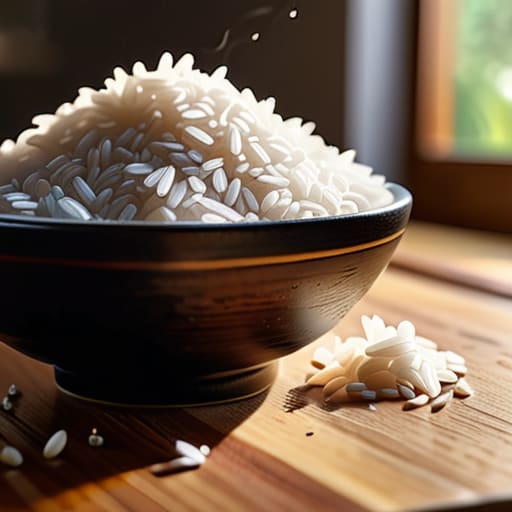
I still remember the smell of scorched grain wafting from our tiny apartment kitchen when I was ten, watching my older brother try to figure out how to cook rice perfectly while our parents were working late. He was following some overly complicated recipe from a fancy cookbook that called for specific artisanal salts and exact timings, but all he ended up with was a pot of gummy, half-cooked mush. It’s one of those things that people try to turn into a science experiment or a high-end culinary feat, but honestly? That’s just gatekeeping. You don’t need a $200 rice cooker or a degree in chemistry to get it right; you just need to stop overthinking the basics.
I’m not here to sell you on some complicated gadget or a list of expensive ingredients you’ll never use again. My goal is to strip away the nonsense and give you a reliable, repeatable method that works every single time, regardless of your kitchen setup. I’ll show you the exact ratios and the few small tweaks that actually matter so you can master the fundamentals without the stress. Let’s stop guessing and just get it done.
Table of Contents
The Essential Rice to Water Ratio Guide
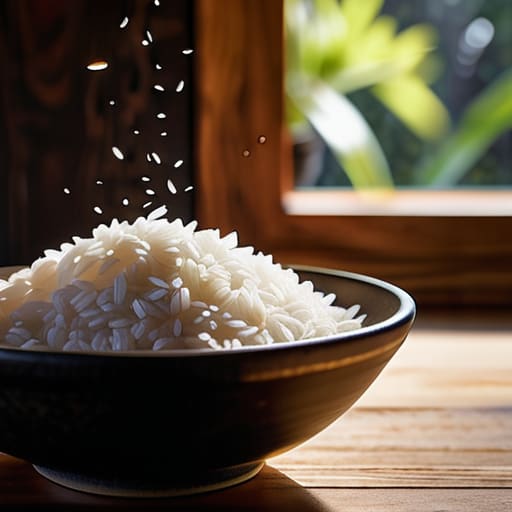
Look, I know the temptation to just “eyeball it” is strong, especially when you’re tired after a long shift. But if you want to avoid that dreaded bowl of gummy, overcooked mush, you need a baseline. Think of this as your foundational blueprint. For standard long-grain white rice, I usually stick to a 1:2 ratio—one cup of rice to two cups of water. If you’re working with something more delicate, like jasmine, you might want to scale that back slightly to about 1:1.5 to keep those grains distinct and fragrant.
The real secret to preventing mushy rice, though, isn’t just the liquid; it’s what you do before the heat even touches the pot. I can’t stress this enough: please start by rinsing your rice in a fine-mesh strainer until the water runs clear. You’re essentially washing away the excess surface starch that turns a fluffy side dish into a sticky mess. Whether you’re cooking rice in a pot vs a rice cooker, getting that starch under control is the single most effective way to ensure your grains actually hold their shape.
Rinsing Rice Before Cooking for Better Results
Look, I know it feels like an extra step when you’re already hungry, but if you skip this, you’re basically asking for trouble. Most of the starch sitting on the surface of those grains is what leads to that gummy, clumping mess we all dread. By rinsing rice before cooking, you’re washing away that excess surface starch. Think of it like cleaning a tool before you use it; it just makes the whole process cleaner and more predictable.
I usually grab a fine-mesh strainer and run cold water over the grains until the water running out the bottom looks clear rather than milky. It’s a small habit, but it’s one of the most effective ways of preventing mushy rice later on. If you’re aiming for those distinct, fluffy grains—especially if you’re looking for the best way to cook jasmine rice—this step is non-negotiable. It’s not about being precious or fancy; it’s just about doing the prep work right so the final result actually tastes like it should.
Five Ways to Stop Making Mushy Rice
- Trust the steam, not the timer. Once the water is absorbed, turn off the heat and let the pot sit covered for at least ten minutes. This is where the magic happens; the grains firm up and finish cooking through without getting gummy.
- Stop stirring like it’s pasta. Once you’ve added the rice to the water and brought it to a boil, leave it alone. Stirring too much mid-cook releases starch and turns your meal into a bowl of porridge.
- Use the right vessel. If you’re using a heavy-bottomed pot, you’re in good shape. Thin, cheap pots create hot spots that scorch the bottom layer while the top stays crunchy.
- Fluff with a fork, not a spoon. When you’re ready to serve, use a fork to gently lift and separate the grains. A heavy spoon will mash the rice and ruin that light, airy texture we’re aiming for.
- Keep a close eye on your heat. Once you bring the pot to a boil and add the lid, drop it down to the lowest setting possible. You want a gentle simmer, not a rolling boil that’s splashing water everywhere.
The Bottom Line on Perfect Rice
Stick to your ratio like a rule—don’t eyeball the water, or you’ll end up with either a crunchy mess or a bowl of mush.
Never skip the rinse; getting rid of that excess surface starch is the difference between fluffy grains and a sticky clump.
Patience is your best tool once the heat is off; let the pot sit covered for a few minutes so the steam finishes the job properly.
The Philosophy of the Grain
“Cooking rice isn’t some high-stakes culinary mystery; it’s just about respecting the ratio and having the patience to let the steam do its job. Once you stop guessing, you stop wasting food.”
Owen Silas Vance
Mastering the Grain
At the end of the day, getting perfect rice comes down to two things: respect for the ratio and a little bit of patience. Once you’ve mastered the math of your water-to-grain ratio and taken the time to properly rinse away that excess starch, you’re already ahead of most people. Remember, don’t rush the steaming process; letting the pot sit covered for a few minutes after the heat is off is what actually transforms a pile of grains into something fluffy and cohesive. It’s not magic, it’s just following the mechanics of how the water is absorbed.
I know that when you’re staring at a kitchen full of chores after a long shift, even something as simple as boiling rice can feel like another daunting “adult” task on an endless list. But that’s exactly why we do this. Cooking for yourself isn’t about achieving some Pinterest-perfect culinary masterpiece every single night; it’s about the quiet confidence that comes from knowing you can take care of your own basic needs. You don’t need a fancy kitchen or expensive gadgets to eat well. You just need to show up and do the work. Now, grab your pot and get to it.
Frequently Asked Questions
What do I do if my rice ends up too mushy or too crunchy after it's done?
If you’ve ended up with a pot of mush or a bowl of pebbles, don’t panic—it happens to the best of us. If it’s too mushy, spread it out on a baking sheet to let the excess steam escape and dry it out. If it’s still too crunchy, add a splash of water, cover it tightly, and let it steam on low for five more minutes. It’s just a quick fix, not a failure.
Do I really need to use a specific type of pot, or will any old saucepan work?
Honestly? Any old saucepan will do. I’ve cooked rice in everything from a heavy Dutch oven to a cheap, dented pot I found at a thrift store, and the results are basically the same. The only thing that actually matters is that the pot has a tight-fitting lid. If steam escapes, your rice gets crunchy and uneven. Just grab whatever you have in your cupboard, make sure the lid stays put, and you’re good to go.
Can I skip the rinsing step if I'm in a massive rush, or is that a dealbreaker?
Look, I get it. You’re hungry, the clock is ticking, and that extra three minutes of rinsing feels like a luxury you don’t have. But honestly? Don’t skip it. If you’re in a rush, you might end up with a gummy, starchy mess that feels more like porridge than actual rice. It’s a small upfront cost for a much better result. If you absolutely must, at least give it a quick, vigorous shake in a mesh strainer.