I used to think that having a dedicated space for hobbies was something reserved for people with massive houses and endless spare change. Growing up in a cramped apartment with my siblings, I learned pretty quickly that if you wanted a moment of peace, you had to build it yourself out of whatever corner was available. Most of the time, we scroll through Pinterest and feel overwhelmed by these massive, architectural transformations that look impossible on a junior coordinator’s budget. But honestly? You don’t need a sunroom or a library wing to find some stillness. You just need a few intentional cozy reading nook ideas that actually work with the floor plan you have right now.
In this post, I’m stripping away the fluff and the expensive aesthetic gatekeeping. I’ve rounded up five essential items that will help you turn even the most neglected corner of your apartment into a functional sanctuary. We aren’t talking about a total renovation; we’re talking about smart, tactical upgrades that prioritize comfort and utility. By the end of this, you’ll have a clear roadmap to building a nook that doesn’t just look good in a photo, but actually helps you decompress after a long day.
Table of Contents
The Corner Chair Pivot
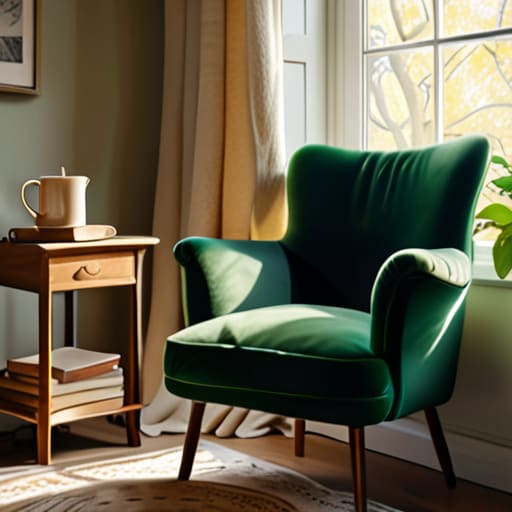
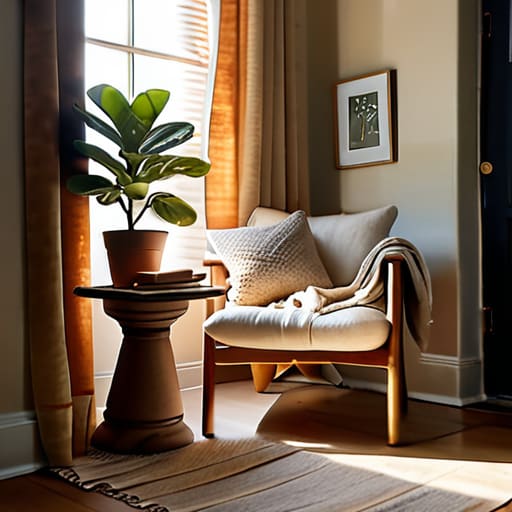
You don’t need a dedicated sunroom or a library wing to make this work. Most of us are working with limited square footage, so the trick is to find that one underutilized corner in your living room or bedroom. Grab a decent armchair—even if it’s a secondhand find from a thrift store that just needs a little vacuuming—and angle it toward the window. It creates an immediate sense of separation from the rest of the room without needing to build any actual walls.
Layer Your Lighting
Nothing kills a reading vibe faster than a harsh overhead light that makes you feel like you’re sitting in a doctor’s office. If you want to actually settle into a book, you need to control the shadows. I always tell people to skip the big ceiling fixture and go for a dedicated task lamp. A simple floor lamp with a warm-toned bulb positioned right next to your seat will do more for your focus than any expensive decor ever could.
The Low-Cost Sidekick
I see people try to build reading nooks without a place to put their coffee or their phone, and it honestly stresses me out. You need a surface. It doesn’t have to be a matching mahogany end table; in fact, it shouldn’t be. I’ve used everything from a repurposed wooden crate to a small stool I found at a flea market. As long as it’s stable enough to hold a mug without wobbling, it’s doing its job.
Texture Over Trends
Don’t get caught up in the “aesthetic” side of social media where every nook looks like a sterile showroom. A real, usable nook needs texture to feel cozy. I’m talking about a heavy knit throw blanket or a couple of mismatched pillows that actually feel good against your skin. I usually hunt for these at thrift stores because the older, heavier fabrics often have a much better weight to them than the cheap polyester stuff sold in big-box retailers.
The Micro-Library Setup
You don’t need a floor-to-ceiling bookshelf to feel like a reader. If you’re tight on space, just utilize what you have near your seating area. A single floating shelf or even a small stack of books on your new side table can serve as your immediate rotation. I like to keep my current reads and a few favorites within sight so the space feels personalized to my interests rather than just looking like a generic furniture arrangement.
The Bottom Line
You don’t need a massive budget or a dedicated room to make this work; a single corner and a decent chair are enough to start.
Focus on functionality first—if the lighting is bad or the seat is uncomfortable, the “aesthetic” doesn’t matter.
Don’t wait for the perfect setup to appear; grab what you have, make some small tweaks, and actually start reading.
The Truth About Comfort
“A reading nook isn’t about buying a designer armchair or recreating a Pinterest board; it’s about claiming a few square feet of your life where the rest of the world finally has to wait.”
Owen Silas Vance
Stop Waiting for the Perfect Space
At the end of the day, you don’t need a custom-built library or a massive budget to make this work. Whether you’re repurposing a thrifted armchair, hanging a single warm lamp, or just clearing a corner of your studio apartment, the goal is the same: creating a dedicated zone for your brain to reset. It’s about the intentionality of the setup—pairing a comfortable seat with decent lighting and maybe a small surface for your coffee. You don’t need to master interior design to succeed here; you just need to claim a small piece of your home for yourself.
I spent a lot of years thinking I couldn’t truly relax because my living situation wasn’t “aesthetic” enough. I was wrong. A reading nook isn’t about showing off a Pinterest board; it’s a functional tool for your mental health. It’s a way to signal to your brain that the workday is over and it’s time to decompress. So, stop overthinking the floor plan and just start building it with what you have. You deserve a spot where the world goes quiet for a while, and I promise, you’re more than capable of making it happen.
Frequently Asked Questions
I don't have a spare room or a dedicated corner; can I still make this work in a tiny studio apartment?
Absolutely. I spent three years in a studio where my “living room” was also my kitchen and my bedroom. You don’t need extra square footage; you just need to reclaim the space you already have. Look for “dead zones”—that awkward gap between your bed and the wall, or even a window sill. Use a floor cushion or a small stool to define the boundary. If you can sit down and feel tucked away, it counts.
What’s the best way to add lighting without spending a fortune on permanent fixtures or complicated wiring?
Look, you don’t need an electrician or a massive budget to fix bad lighting. I always go for plug-in sconces or a decent floor lamp with a warm-toned bulb—it’s an instant mood shifter. If you’re renting and can’t drill holes, grab some rechargeable LED puck lights or even a high-quality battery-powered task lamp. It’s about layering light, not wiring it into the walls. Keep it simple, keep it portable, and stop stressing the setup.
How do I pick a chair that actually feels cozy but won't ruin my back if I end up reading for two hours straight?
Look, don’t get seduced by those deep, velvet “cloud” chairs you see on Pinterest. They feel amazing for ten minutes, but they’re a nightmare for your spine. If you’re settling in for a long haul, you need structure. Look for something with lumbar support and firm cushioning—if you sink in too deep, you’ll be fighting to get out. Test the seat depth; your feet should actually hit the floor. Support beats fluff every time.