I remember sitting on the floor of our cramped apartment, watching my siblings try to make something out of nothing while I tried to keep my school books from getting stained with marker. Most of the time, “craft time” feels like a trap designed to turn your living room into a disaster zone or drain your bank account at a big-box hobby store. We’ve been conditioned to think that good kids craft ideas require expensive kits or a dedicated studio space, but honestly, that’s just gatekeeping creativity. You don’t need a Pinterest-perfect setup to keep them occupied; you just need to stop overcomplicating the process.
In this post, I’m stripping away the fluff and giving you five straightforward ways to keep them busy without losing your mind (or your security deposit). I’ve rounded up five low-stress projects that use stuff you probably already have sitting in your junk drawer or recycling bin. We aren’t aiming for museum-quality masterpieces here; we’re aiming for functional engagement that builds their confidence and keeps them away from your phone. Let’s get into it.
Table of Contents
The Cardboard Construction Zone
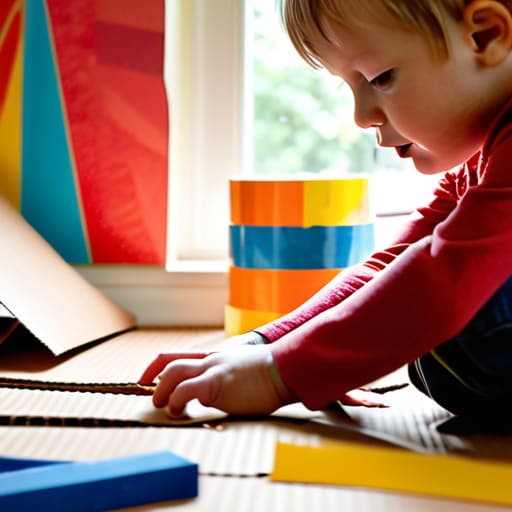
Most people see a delivery box and think “recycling,” but I see a free structural engineering kit. If you have some old Amazon boxes lying around, you’re halfway to a massive afternoon project. Instead of buying those expensive plastic playhouses, just grab some heavy-duty tape and a pair of safety scissors. Let them cut, fold, and tape their way into a fort or a makeshift spaceship. It’s about the process of building, not the finished product looking like something from a catalog.
Nature’s Color Palette
I spend a lot of my weekends hunting for mid-century furniture, which usually means a lot of time walking through parks and looking at textures. You can teach kids to do the same by turning a simple walk into a scavenger hunt for natural art supplies. Instead of heading to the craft store for expensive paints, look for fallen leaves, interesting stones, or even twigs. It’s a great way to get them moving and connecting with the outdoors without needing a massive budget.
The Kitchen Scientist Approach
You don’t need a chemistry set to have a blast; you just need to look inside your pantry. I grew up in a house where we had to be resourceful, and some of my favorite “experiments” were just mixing household staples to see what happened. Baking soda and vinegar are the classics for a reason—they create an immediate, visible reaction that feels like magic to a kid. It’s messy, sure, but it’s controlled chaos that teaches them how things work.
Upcycled Jar Decorating
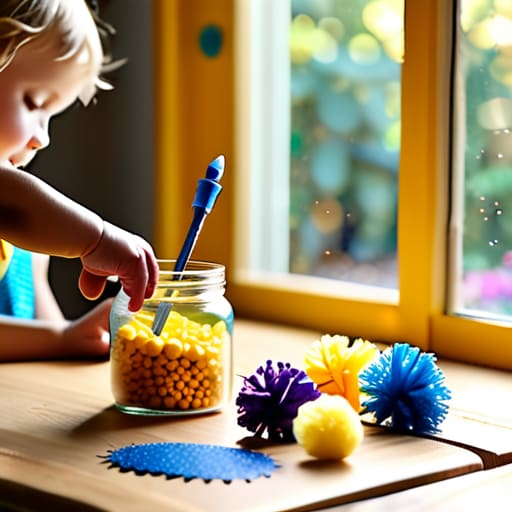
When I’m working on a furniture restoration, I’m always looking at how small details can change the whole vibe of a piece. You can apply that same logic to old glass jars or even empty plastic containers. Instead of throwing them in the bin, wash them out and turn them into something useful, like a pencil holder or a small planter. It teaches kids that things have continued value even when they aren’t “new” anymore.
The Masterpiece of Tape and String
If you have a roll of painter’s tape and some leftover yarn or string, you have a craft kit. I’ve found that kids often get frustrated when they try to draw something “correctly,” so shifting the medium can change their entire mindset. Using tape to create geometric shapes on a piece of paper or even on the floor can turn a simple activity into a spatial puzzle. It’s much more about the movement and the lines than it is about shading or realism.
The Bottom Line
Forget the Pinterest-perfect setups; the goal is engagement, not a museum-quality masterpiece.
Keep your supplies accessible and simple so the “getting ready” part doesn’t kill the actual fun.
Focus on the process of making something, because the mess is just part of the learning curve.
The real goal of the mess
“Forget the Pinterest-perfect setups and the expensive kits; the point isn’t to make a masterpiece, it’s to give them the confidence to figure out how things work by actually getting their hands dirty.”
Owen Silas Vance
Less Mess, More Making
At the end of the day, these projects aren’t about producing something that looks like it belongs in a museum or a curated Pinterest board. Whether you’re working with recycled cardboard, some old jars, or just a handful of scraps you found in the junk drawer, the goal is to keep the barrier to entry low. We covered everything from simple sensory bins to basic upcycling, and the common thread is that you don’t need a massive budget or a specialized studio to get started. Just grab the supplies you already have, embrace the inevitable mess, and focus on the process rather than a perfect end result.
I grew up in a house where we didn’t have much, so I learned early on that creativity is often born out of necessity and a little bit of grit. You don’t need the most expensive art kits to teach your kids how to solve problems or express themselves; you just need to give them the space to try. Stop worrying about the glue stains on the rug or the paint on the table. The real value here is building that foundational competence—the idea that if you have an idea, you can find a way to make it happen with whatever is within reach. Now, go clear off the kitchen table and just start making something.
Frequently Asked Questions
How do I keep the mess contained so I'm not cleaning up glitter for the next three weeks?
Look, I’ve spent enough time cleaning up spilled sawdust from furniture projects to know that if you don’t contain the mess at the start, you’ll be finding it in your rug for months. Grab a cheap plastic tablecloth or even an old shower curtain to lay down first—it’s a lifesaver. Also, keep a small handheld vacuum or a damp rag right next to you. Don’t wait until the end; clean as you go.
What can I do if my kid loses interest halfway through a project?
Look, I get it. I’ve spent hours trying to restore a chair only to realize I’ve lost the thread. If your kid hits a wall, don’t force it. Let the project sit in a “work in progress” bin. Sometimes they just need a reset. If they’re genuinely done, pivot to something low-stakes, like coloring or even just helping me organize a drawer. The goal is building confidence, not finishing a masterpiece.
Are there ways to do these crafts using stuff I already have in my junk drawer instead of buying a whole new kit?
Honestly, that’s the whole point. I grew up in a house where “buying a kit” wasn’t really an option, so I learned to scavenge. Check your junk drawer for rubber bands, paperclips, or those random buttons from an old coat. Empty cereal boxes become sturdy canvases, and old magazines are basically free collage paper. Don’t go to the store for a specific glue or glitter; just use what’s within arm’s reach and make it work.