I still remember the smell of my childhood kitchen every Sunday night—that heavy, sickly-sweet scent of overripe peaches and wilting greens rotting at the bottom of a plastic bag. Growing up in a cramped rental, we couldn’t afford to throw anything away, yet I watched my mom toss out half a week’s worth of groceries simply because they’d turned to mush in the crisper drawer. It’s frustrating because most “expert” advice makes it sound like you need a $500 vacuum-sealed system or a pantry organized by color to succeed. The truth is, learning how to store food properly isn’t about aesthetic glass jars; it’s about not throwing your hard-earned cash in the trash.
I’m not here to sell you on a lifestyle brand or a complicated organizational system that takes three hours to maintain. I want to give you the practical, low-effort tactics that actually work when you’re busy and tired. We’re going to cover the essential basics—from knowing which veggies hate each other to mastering the art of the airtight container—so you can stop wasting money and start making your groceries last. Let’s just get it done.
Table of Contents
Mastering Refrigerator Organization Tips for Real Results
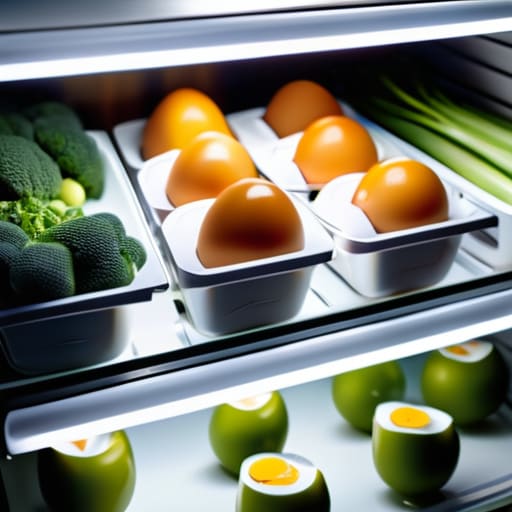
The biggest mistake I see people making is treating their fridge like a junk drawer. If you just shove everything in wherever it fits, you’re basically asking for a science experiment to happen in the back corner. To actually see results, you need to respect the temperature zones. I always keep my dairy and eggs on the middle shelves where the temp is most consistent, and I move raw meats to the very bottom. This isn’t just about being neat; it’s about preventing food spoilage before it even starts.
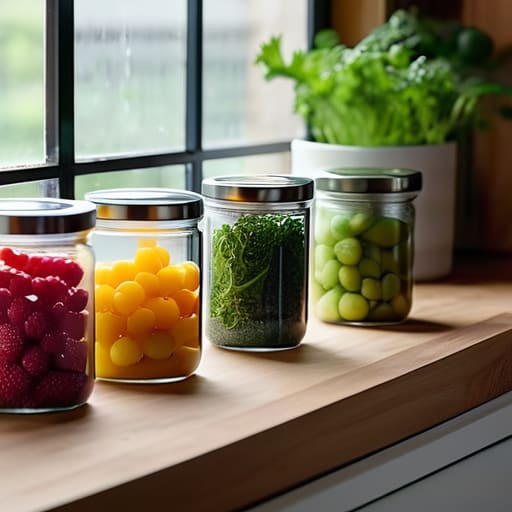
Once you’ve got the zones down, it’s time to talk gear. I’m a huge advocate for the airtight container benefits—seriously, stop leaving half-used onion halves or open jars of salsa sitting out. Investing in a few decent glass containers keeps things fresh longer and prevents those weird smells from jumping between foods. If you group similar items together, you’ll actually see what you have during your mid-week grocery run, which means fewer impulse buys and less wasted cash. It’s about working smarter, not harder.
The Airtight Container Benefits You Cant Ignore
Look, I know it’s tempting to just toss leftovers into whatever mismatched plastic bowl you find in the back of the cupboard, but you’re basically inviting waste into your kitchen. The real airtight container benefits come down to one thing: controlling the environment. When you seal food in a proper container, you’re cutting off the oxygen that causes bacteria to thrive. It’s the simplest way of preventing food spoilage before it even starts. I started doing this religiously after realizing I was throwing away half my grocery haul every single week just because it went soft or fuzzy in the fridge.
It’s also a game-changer for your freezer. If you aren’t using high-quality, sealable containers or heavy-duty bags, you’re going to deal with nasty ice crystals. Investing in a few decent sets is the most effective strategy for freezer burn prevention, which keeps your expensive proteins and frozen veggies actually edible months down the line. It’s not about having a Pinterest-perfect kitchen; it’s about extending the shelf life of groceries so you aren’t constantly hitting the store because your food died prematurely.
Five Quick Wins to Stop Your Groceries From Dying
- Learn the “First In, First Out” rule. When you get home from the store, move the older stuff to the front of the shelf and put the new stuff in the back. It sounds basic, but it’s the easiest way to stop finding fuzzy containers of leftovers at the bottom of the fridge.
- Keep your greens alive longer by treating them like houseplants. Grab a jar or a reusable container, put a paper towel in there to soak up excess moisture, and tuck your herbs or leafy greens inside. It keeps them crisp instead of turning them into a slimy mess in three days.
- Stop storing your tomatoes and potatoes in the fridge. I used to do it thinking I was being helpful, but it actually kills their texture and flavor. Keep the potatoes in a dark, cool pantry and leave the tomatoes on the counter.
- Use your freezer for more than just ice cubes. If you realize you aren’t going to finish that loaf of bread or that half-bag of spinach before it goes bad, toss it in a freezer bag immediately. It’s way better to thaw it later than to throw it in the trash.
- Treat onions and potatoes like they’re enemies. They shouldn’t live in the same bin or drawer. Onions release gases that make potatoes sprout way faster, so keep them in separate spots to save yourself from premature rotting.
The Bottom Line on Food Storage
Stop treating your fridge like a junk drawer; group your items logically so you actually see what you have before it hits the expiration date.
Invest in a decent set of airtight containers—it’s a small upfront cost that pays for itself the moment you stop tossing wilted greens and spoiled leftovers.
Learn the basics of your specific ingredients, because knowing what goes in the freezer versus the pantry is the easiest way to cut down on grocery waste and save cash.
## The Real Cost of a Messy Pantry
“Food waste isn’t just about throwing away a wilted bag of spinach; it’s about throwing away the hours you spent working to pay for it. If you treat your groceries like an afterthought, you’re basically just handing your paycheck back to the grocery store.”
Owen Silas Vance
Getting It Done
At the end of the day, storing your food correctly isn’t about having a Pinterest-perfect kitchen or a collection of expensive, matching glass jars. It’s about the basics: keeping your fridge organized so you actually see what you own, investing in a few solid airtight containers, and knowing which items need to stay dry versus which ones need a little moisture. When you stop treating your groceries like an afterthought and start treating them like the investment they actually are, you’ll notice your trash bin stays a lot emptier and your bank account stays a lot fuller. It’s a simple shift in habits, but the compound effect on your wallet is real.
Look, I get it. Life is busy, and sometimes the last thing you want to do after a long shift is play Tetris with your leftovers. But remember that adulting isn’t about perfection; it’s about building systems that work for you so you aren’t constantly playing catch-up. You don’t need a massive meal prep setup to make a difference. Just pick one thing—maybe it’s buying a set of decent containers or finally cleaning out that crisper drawer—and just start doing it. Once you get the hang of these small, practical wins, you’ll realize that managing your life is a lot less intimidating when you take it one step at a time.
Frequently Asked Questions
Do I really need to spend money on fancy matching sets of containers, or can I just use whatever I already have in my cabinets?
Look, I get the temptation to go full aesthetic with those matching glass sets you see on social media, but honestly? Don’t do it. That’s just another way to bleed your budget dry. If you’ve got old Tupperware, glass jars from pasta sauce, or even just some decent zip-top bags, use them. The goal is an airtight seal, not a showroom. Save your cash for actual groceries and just make do with what you’ve got.
How do I know if something has actually gone bad versus just looking a little weird or smelling slightly off?
Look, I get it. I’ve stood in front of my fridge staring at a carton of milk like it was a math problem. Here’s my rule of thumb: trust your senses, but prioritize safety. If it’s slimy, fuzzy, or has a sour stench, toss it. Don’t risk it. But if it’s just a slightly bruised apple or a bit of wilted spinach? That’s not “bad,” it’s just “ugly.” Use it in a smoothie or a soup instead.
Is there a specific way I should be storing things like onions and potatoes so they don't rot each other out in the pantry?
Keep them completely separate. It’s a common mistake, but onions and potatoes are actually enemies in the pantry. Onions release gases that make potatoes sprout way faster, and the moisture from one can trigger rot in the other. Find two different dark, airy spots—like separate wicker baskets or mesh bags—and keep them apart. If you want them to last, think cool, dark, and isolated. Don’t let them hang out together.