I used to think that making a place feel like “home” required a massive credit limit and a designer on speed dial. Growing up in a cramped rental, I saw how easy it is to feel like your space is just something you’re passing through rather than something you actually own. Most people get stuck in that cycle of scrolling through expensive interior design feeds, feeling like they can’t compete with those curated, high-end aesthetics. But honestly? The secret to a space that actually feels lived-in and intentional isn’t about how much you spend; it’s about finding creative diy home decor ideas that bridge the gap between a bare apartment and a sanctuary.
In this post, I’m stripping away the intimidation factor and sharing five specific projects that actually make a difference. I’m not talking about useless clutter or complicated crafts that take weeks to finish; I mean practical, high-impact shifts you can tackle this weekend. You’re going to learn how to elevate your surroundings using basic tools and a bit of patience, proving that you don’t need a massive inheritance to build a home you’re proud of. Let’s get to work.
Table of Contents
Upcycle Your Thrifted Finds
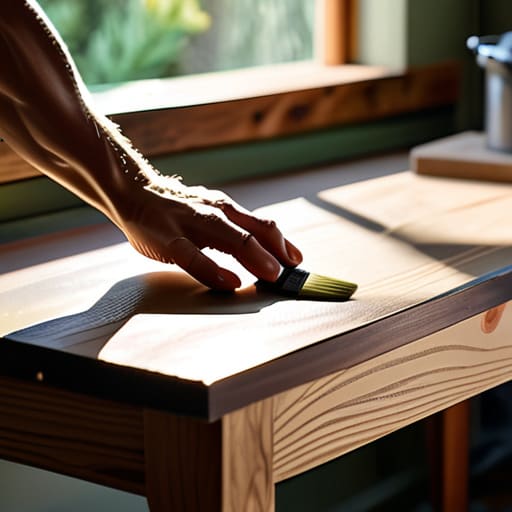
One of my favorite things to do on a Saturday is scour local thrift stores for old wooden side tables or chairs that have seen better days. Most people walk right past them because the finish is scratched or the color is dated, but that’s where the potential lies. You don’t need a professional workshop to do this; a single sheet of fine-grit sandpaper and a small tin of matte paint can completely transform a piece of furniture.
Frame Your Found Objects
You don’t need to spend a fortune at a high-end art gallery to get something interesting on your walls. I’ve found that some of the coolest “art” comes from things you’d normally throw away, like vintage postcards, architectural blueprints, or even interesting dried botanicals. The trick to making these look intentional rather than cluttered is all in the framing strategy.
The Power of Textile Layering
If a room feels cold or “unfinished,” it’s usually because there isn’t enough texture to soften the edges. This is where textiles come in, and it’s one of the easiest ways to change a vibe without actually moving heavy furniture. I’m a big fan of layering a textured throw blanket over a plain sofa or adding a rug that has a bit of a natural weave to it.
Repurpose Glassware into Greenery
Plants are the ultimate cheat code for home decor, but buying expensive ceramic pots can add up fast. Instead, I’ve started collecting interesting glass bottles, amber jars, or even old olive oil containers from my kitchen. Once they’re cleaned out, they make perfect vessels for propagating plant cuttings or holding small succulents.
Update Your Hardware
This is a small tweak, but it’s a total game-changer for kitchens or bathroom vanities that feel a bit “builder grade.” Most standard cabinets come with cheap, generic knobs that scream “mass-produced.” By spending a little time unscrewing those and replacing them with something more substantial, like matte black pulls or brushed brass handles, you instantly elevate the entire room.
The Bottom Line
You don’t need a massive budget or a designer’s eye to make a space feel intentional; you just need a little bit of patience and the right tools.
Focus on one small, manageable project at a time so you don’t get overwhelmed and end up with a half-finished living room.
Prioritize functionality alongside aesthetics—if a DIY project looks good but doesn’t actually work for your daily routine, it’s not worth the effort.
The Real Goal of DIY
At the end of the day, your home shouldn’t look like a curated showroom or a Pinterest board you can’t afford to replicate. It should look like a place where you actually live—a space built by your own hands, one small, imperfect project at a time.
Owen Silas Vance
Making It Your Own
At the end of the day, decorating your space doesn’t require a massive budget or a degree in interior design. Whether you’re repainting some old thrifted finds, swapping out hardware, or just rearranging what you already own, the goal is to create an environment that actually feels like you. We’ve looked at how small, intentional changes—from lighting to texture—can completely shift the energy of a room without you having to drain your savings account. Remember, these projects aren’t about achieving some untouchable Pinterest aesthetic; they are about building competence in your own home and learning how to manipulate your surroundings to suit your life.
If you’re feeling a bit overwhelmed by where to start, my advice is to just pick one thing. Don’t try to overhaul your entire apartment in a single weekend. Grab your multi-tool, pull out that notebook, and tackle one small corner or one single piece of furniture. The magic happens in the doing, not just the planning. You don’t need to be perfect, and you definitely don’t need to be a professional to live in a space that feels finished and functional. Stop waiting for the “right time” or the perfect bank balance to start making your space work for you. Just get started.
Frequently Asked Questions
I don't have a huge budget or fancy tools—what's the absolute bare minimum I need to get started without feeling overwhelmed?
Look, I get it. I used to stare at the hardware aisle like it was a foreign language. You don’t need a workshop full of power tools to make a difference. Honestly? Start with a screwdriver set, a tape measure, and some sandpaper. If you have those and a bit of patience, you can fix a loose cabinet handle or refresh a thrifted side table. Don’t buy the “starter kits”—just grab what the project actually demands.
How do I make sure my DIY projects actually look like "decor" and not just a messy craft project that looks out of place?
The secret is cohesion. A “craft project” feels messy because it’s a random burst of color in a room that doesn’t speak its language. Before you pick up a glue gun, look at your existing palette. Stick to a consistent color story or a specific material—like brass, wood, or linen. If your DIY feels like an outlier, scale it down or refine the texture. Aim for intentionality, not just activity.
Is it worth spending time restoring old furniture, or am I better off just buying something new that's already decent?
Honestly, it depends on your goal. If you just need a place to put your keys, buy something new. It’s faster. But if you want character and quality without the “fast furniture” price tag, restore it. I’ve found that a $20 thrifted mid-century side table with a little sanding and fresh oil beats a $200 particle-board piece from a big-box store every single time. It’s about building something that actually lasts.