I used to think that having a dog meant I had to choose between a decent living room and a house that didn’t smell like wet fur and regret. I spent way too much money early on on “designer” pet beds that ended up looking like expensive landfill fodder within a month, and don’t even get me started on the high-end, “pet-safe” furniture that cost more than my monthly rent. There is this massive, expensive myth that you need a specialized showroom aesthetic to coexist with animals, but honestly, most of those pet friendly home ideas you see on Pinterest are just impractical ways to drain your bank account.
I’m not here to sell you on overpriced gadgets or aesthetic trends that won’t survive a single zoomie session. Instead, I want to show you how to build a space that actually works for both you and your pet using practical, low-cost adjustments and smart planning. We’re going to focus on durable materials, easy-to-clean layouts, and clever storage solutions that keep your home looking sharp without the stress. Let’s stop overcomplicating your living space and just start making it functional.
Table of Contents
Choosing Durable Pet Friendly Fabrics That Actually Last
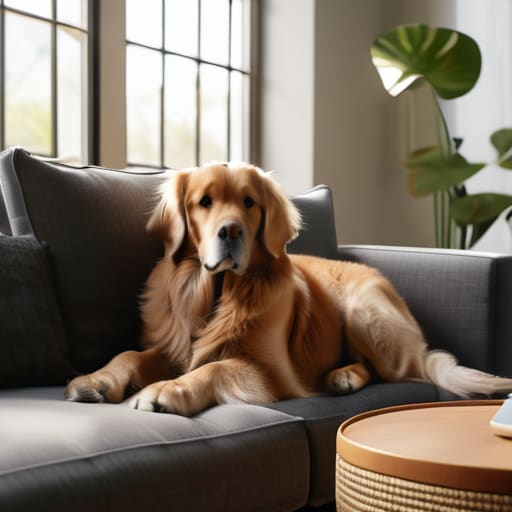
When I was restoring my first mid-century sideboard, I learned that the wrong finish can ruin a piece in weeks. The same logic applies to your sofa. If you have a cat or a dog, you need to stop looking at aesthetics alone and start prioritizing scratch resistant materials for homes. I’m talking about tight weaves like microfiber or heavy-duty synthetics. Avoid anything loose or chunky, like linen or loose-knit wool; those are basically invitations for a claw to snag a thread and ruin the whole look.
If you’re looking at bigger investments, lean into performance fabrics. They’re engineered to handle spills and heavy paw traffic without looking like they belong in a dorm room. I always tell people that durability doesn’t have to look cheap. You can find incredibly high-quality, durable pet friendly fabrics that feel soft to the touch but can withstand a muddy paw print or a spilled water bowl. It’s about picking materials that work with your life, rather than spending your entire weekend scrubbing stains out of a velvet cushion.
Selecting Easy to Clean Flooring for Pet Owners
If you’ve ever spent a Saturday afternoon scrubbing muddy paw prints out of a high-pile rug, you know that your floor choice is probably the most important decision you’ll make for your sanity. I used to think hardwood was the ultimate goal for a clean look, but after my first dog shredded a corner of my old oak planks, I realized I needed something more resilient. If you’re looking for easy to clean flooring for pet owners, I highly recommend looking into luxury vinyl plank (LVP). It gives you that warm, wood-look aesthetic I love for my furniture, but it’s essentially waterproof and much more forgiving when a water bowl inevitably tips over.
Another solid option is tile, though I’d steer clear of anything too textured, as it can trap hair and grit. If you want something a bit softer underfoot, consider high-quality laminate; just make sure it’s rated for heavy traffic. The key is finding scratch resistant materials for homes that don’t require a professional deep-clean every single week. You want a surface that lets you grab a damp mop and be done in five minutes so you can get back to your actual life.
Five Low-Stress Ways to Protect Your Space (and Your Sanity)
- Create a dedicated “landing zone” near your door with a heavy-duty, washable rug. It’s the first line of defense for mud, paw prints, and that inevitable post-walk debris before it hits your main flooring.
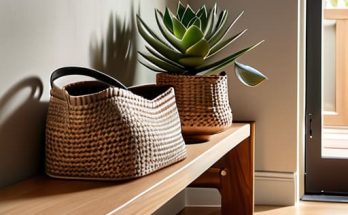
- Go vertical with your storage. Instead of leaving toys or treats scattered on the floor, grab some inexpensive floating shelves or a sturdy basket to keep the floor clear and the chaos contained.
- Swap out delicate houseplants for pet-safe alternatives like Spider Plants or Calatheas. You don’t want to be playing “detective” every time your cat nibbles on something they shouldn’t.
- Invest in a high-quality, cordless vacuum. Trust me, I learned this the hard way in my first apartment—trying to manage pet hair with a cheap, corded model is a recipe for frustration and wasted time.
- Use furniture covers or stylish throws on your favorite seating. It’s way easier to toss a washable linen throw into the laundry once a week than it is to try and scrub hair and oils out of a permanent upholstery fabric.
Quick Wins for a Stress-Free, Pet-Friendly Space
Prioritize durability over aesthetics by choosing high-performance fabrics and hard flooring that can actually handle a little chaos.
Focus on “cleanability”—if a surface requires a specialized professional cleaner every time a paw touches it, it’s not the right choice for your lifestyle.
Don’t feel like you have to overhaul everything at once; small, practical swaps in your material choices make the biggest difference in long-term maintenance.
The Reality of Living with Pets
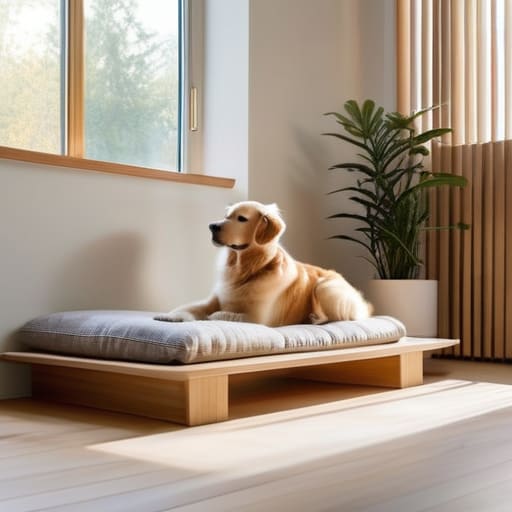
Your home should be a place where you can actually relax with your dog or cat, not a museum where you’re constantly hovering with a lint roller and a sense of dread. Real pet-friendly design isn’t about choosing the ‘perfect’ aesthetic; it’s about picking materials that can handle a little chaos so you can focus on the companionship instead of the cleanup.
Owen Silas Vance
Making It Work for You
At the end of the day, making a home pet-friendly isn’t about finding a single “magic” product that solves everything; it’s about making a series of small, intentional choices. We looked at how picking the right fabrics can save you from a lifetime of scrubbing stains and how selecting durable flooring can stop those frantic runs to the hardware store when a scratch happens. When you combine those decisions with a bit of spatial planning, you aren’t just “managing” your pet—you’re building a space that actually works for both of you. It’s about being smart with your resources so you can spend less time cleaning and more time actually enjoying your home.
I know it can feel overwhelming when you’re staring at a living room that looks like a disaster zone or a budget that feels too tight for a full renovation. But remember, competence in this area is just a series of small wins. You don’t need a massive inheritance or a professional interior designer to create a functional, beautiful environment. Just take it one decision at a time, trust your gut, and don’t be afraid to get your hands a little dirty in the process. Your home is meant to be lived in, not just looked at—so let’s stop stressing the perfection and just start making it yours.
Frequently Asked Questions
How do I stop my dog from scratching the corners of my furniture without ruining the look of the room?
I’ve been there—nothing kills the vibe of a room faster than seeing your favorite armchair looking like it’s been through a shredder. Instead of choosing between a nice sofa and a happy dog, try clear adhesive corner guards. They’re practically invisible and stop the scratching before it starts. If you want something more permanent, look into adding some sleek metal furniture protectors. They actually give off a cool, industrial edge rather than looking like a DIY fix.
Are there any ways to hide pet toys and gear so my living space doesn't look like a cluttered daycare?
Look, I get it. I love my dog, but I don’t want my living room to look like a toy store exploded. The trick is “out of sight, out of mind” using functional furniture. Swap that flimsy end table for a storage ottoman or a decorative basket. If you’ve got a dedicated corner, a small wooden crate or a low shelf works wonders. It keeps the floor clear and your space looking intentional, not chaotic.
What can I do about that lingering "pet smell" if I'm renting and can't deep-clean the carpets or walls?
Look, I get it. When you’re renting, you can’t exactly rip out the carpet or repaint the walls just because of a lingering scent. Instead of stressing about what you can’t change, focus on what you can control. Grab an enzyme-based cleaner for any visible spots—it actually breaks down the odor instead of masking it. I also swear by activated charcoal bags tucked in corners; they’re cheap, discreet, and work wonders at pulling smells out of the air.