I remember sitting in my cramped apartment years ago, staring at a limp head of broccoli and a bag of frozen carrots, feeling like I needed a culinary degree just to avoid eating mushy, tasteless garbage. I’d see these high-end cooking shows making it look like you needed a $200 chef’s knife and a pantry full of exotic oils just to figure out how to cook vegetables without ruining them. It felt like another one of those “adulting” hurdles designed to make you feel incompetent, as if eating something green was a luxury reserved for people with more time and money than I had.
I’m done with the gatekeeping and the overly complicated techniques that require a specialized toolkit. My goal here is simple: I want to show you that you can make nutritious, actually delicious food using basic tools and minimal effort. I’m going to strip away the pretension and give you the direct, repeatable methods I use to keep my own meals from being boring. We aren’t aiming for Michelin stars; we are aiming for consistent, reliable competence in your own kitchen.
Table of Contents
Mastering the Best Vegetable Cooking Methods Without the Fuss
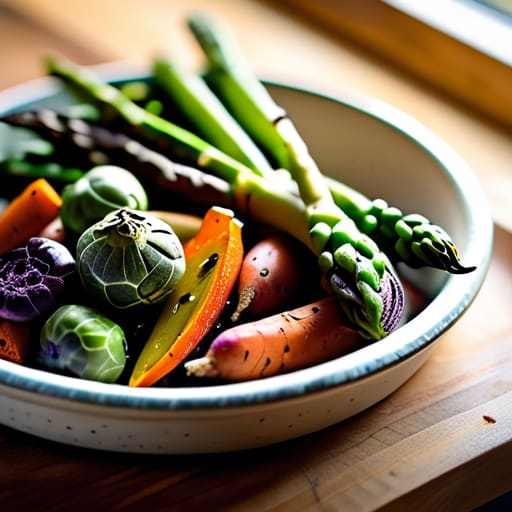
When I was first moving into my own place, I thought I had to choose between eating something that tasted good or something that was actually good for me. I quickly realized that the secret to retaining nutrients in vegetables while actually enjoying your meal comes down to how you apply heat. If you’re in a rush after a long shift, steaming is your best friend—it’s fast, low-effort, and keeps that vibrant color. But if you have an extra twenty minutes and want something that feels more like a “real” meal, go for the oven.
The debate of steaming vs roasting vegetables usually boils down to texture. Roasting is my go-to because it caramelizes the natural sugars, turning a boring head of cauliflower into something that actually tastes intentional. Regardless of the method, don’t skip the most important part: seasoning vegetables for flavor. I used to think “healthy” meant bland, but a little salt, some cracked pepper, and maybe a drizzle of olive oil after they come out of the heat changes everything. It’s not about complex recipes; it’s just about not being afraid of a little seasoning.
Steaming vs Roasting Vegetables Choosing Your Simple Path
When you’re deciding between steaming vs roasting vegetables, it really comes down to what kind of mood you’re in and how much time you’re willing to give up. If I’ve had a long day at the office and just want something on the table fast, I go with steaming. It’s one of those quick vegetable side dishes that requires almost zero brainpower. You just toss them in a basket over boiling water, wait a few minutes, and you’re done. It’s also one of the best ways for retaining nutrients in vegetables because you aren’t drowning them in fats or boiling them into mush.
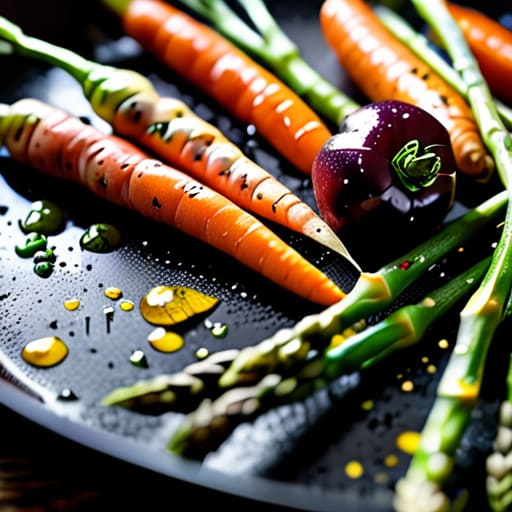
On the flip side, if I have a little more time and want something that actually feels like a “meal,” I’m reaching for the oven. Roasting is my go-to for flavor. When you hit those high heat levels, the natural sugars caramelize, and suddenly a boring head of broccoli tastes like something gourmet. My rule of thumb for seasoning vegetables for flavor while roasting is to keep it simple: a decent drizzle of olive oil, plenty of kosher salt, and maybe some cracked pepper. It’s less about precision and more about getting that golden-brown crunch.
Five Ways to Stop Making Mushy, Boring Veggies
- Don’t be afraid of salt. I used to think seasoning was just for meat, but if you aren’t salting your water or your pan, you’re basically eating flavored cardboard. Season as you go, not just at the end.
- Learn the “fork test.” Forget those precise timers on the back of the frozen bag; they’re usually wrong. Just poke a fork into a piece—if it slides in with a little resistance, it’s perfect. If it feels like mush, you’ve gone too far.
- Keep your knife sharp. This sounds like something a carpenter would say, but it’s true. If you’re hacking away at a carrot with a dull blade, you’re bruising the vegetable and making it cook unevenly. A clean cut means even cooking.
- Dry your greens after washing. If you throw damp spinach or broccoli into a hot pan, you aren’t sautéing—you’re boiling them in their own puddle. Get them as dry as possible first so they actually get that nice sear.
- Embrace the leftovers. If you end up with a pile of roasted veggies that didn’t get eaten, don’t toss them. Throw them into an omelet the next morning or stir them into some pasta. It’s not “old food,” it’s a head start on your next meal.
The Bottom Line on Not Ruining Your Veggies
Stop looking for the “perfect” method; just pick one—roasting for flavor or steaming for speed—and stick to it until you get the hang of it.
Don’t fear the seasoning; salt, fat, and heat are your best friends for turning a boring pile of greens into something you actually want to eat.
Cooking is a skill, not a talent, so embrace the burnt bits and the mushy carrots while you’re learning—it’s all part of the process.
## The Real Goal
“Forget the culinary school jargon and the fear of ruining a perfectly good head of broccoli. Cooking vegetables isn’t about perfection; it’s just about using a little heat and some seasoning to make something healthy actually taste like something you want to eat.”
Owen Silas Vance
Getting Started in the Kitchen
Look, at the end of the day, you don’t need a culinary degree or a kitchen full of expensive gadgets to eat well. Whether you decide to go the steaming route for a quick, healthy hit of nutrients or you opt for roasting to get those crispy, caramelized edges, the goal is the same: making something decent for yourself. Remember that it’s all about matching the method to the vegetable and the amount of time you actually have on a Tuesday night. Don’t stress if your first batch of broccoli is a little too soft or your carrots lack that perfect char. It’s just food, and getting the basics down is more important than being perfect on your first try.
I spent a lot of my younger years eating whatever was cheapest and easiest, often skipping the greens entirely because they felt “too hard” to prepare. But I’ve learned that cooking for yourself is one of the most practical ways to take control of your life and your budget. It’s not about the aesthetic Instagram plate; it’s about the quiet competence of knowing you can feed yourself something real. So, grab a pan, pick a vegetable from the fridge, and just start. You’ve got this, and your future self will thank you for the effort.
Frequently Asked Questions
How do I know when they're actually done without turning everything into mush?
The “mush factor” is real, and honestly, it’s the quickest way to ruin a good meal. Don’t rely on a timer; rely on your tools. Grab a fork or a paring knife. If you can pierce the vegetable with minimal resistance—think “tender but with a slight bite”—it’s done. That’s what we call al dente. If it feels spongy or collapses when you poke it, you’ve gone too far. Trust your hands, not the clock.
What’s the best way to season them so they don't taste like nothing?
Look, if your veggies taste like nothing, you’re probably under-seasoning or playing it too safe. Start with the basics: salt and pepper are non-negotiable, but hit them with fat—olive oil or butter—to carry the flavor. If you want to level up, grab some garlic powder, smoked paprika, or a squeeze of lemon right at the end. It’s not about being a chef; it’s just about making sure they actually taste like food.
Can I prep these ahead of time for the week, or will they just get gross in the fridge?
You can definitely prep ahead, but you have to be smart about it. I usually chop my hard veggies—carrots, broccoli, cauliflower—on Sunday and keep them in airtight containers. They’ll stay crisp for a few days. Avoid chopping soft stuff like cucumbers or leafy greens too early, or they’ll turn into a sad, slimy mess by Wednesday. If you’re prepping, just keep it simple: chop, store, and cook fresh.