I was halfway through a much-needed coffee in my tiny apartment last Tuesday when that high-pitched, metal-on-metal screech pierced through my focus for the tenth time that morning. It’s that one annoying sound that makes your living space feel like it’s slowly falling apart, even when everything else is fine. Most people think you need to call a handyman or buy a specialized kit just to figure out how to fix a squeaky door, but honestly? That’s just unnecessary gatekeeping. I spent my childhood fixing things with whatever was under the sink because we couldn’t afford a professional, and I promise you, this isn’t some complex engineering problem.
In this guide, I’m stripping away the fluff to show you exactly how to handle this in under five minutes. I’ll walk you through the best tools to use—whether you have a proper lubricant on hand or just need to improvise with something from your kitchen—so you can stop the noise for good. No expensive hardware store runs or complicated manuals required; just some straightforward steps to help you reclaim the quiet of your home.
Table of Contents
Guide Overview
Tools & Supplies
- Screwdriver for tightening loose hinge screws
- Microfiber cloth or paper towel for wiping excess lubricant
- Lubricant (WD-40, silicone spray, or lithium grease) 1 can
- Cleaning rag 1 piece
Step-by-Step Instructions
- 1. First, figure out exactly where the noise is coming from. Open and close the door slowly, listening closely to see if the squeak is coming from the hinge itself or if the door is rubbing against the frame. If it’s the frame, you might just need to tighten a screw; if it’s the hinge, we’re diving into the actual repair.
- 2. Grab your multi-tool or a screwdriver and check the hinge screws. A lot of times, a “squeak” is actually just a door that’s slightly misaligned because the hardware is loose. Give every screw a quick turn to make sure they’re seated firmly in the wood. If they just spin without tightening, you’ve got a stripped hole, but let’s hope it’s not that complicated yet.
- 3. If the screws are tight but the noise persists, it’s time to lubricate. You don’t need to go out and buy a specialized industrial kit; a can of silicone spray or even a bit of WD-40 will do the trick in a pinch. Just aim the nozzle right at the gaps between the hinge plates. Give the door a few swings to work the liquid into the mechanism.
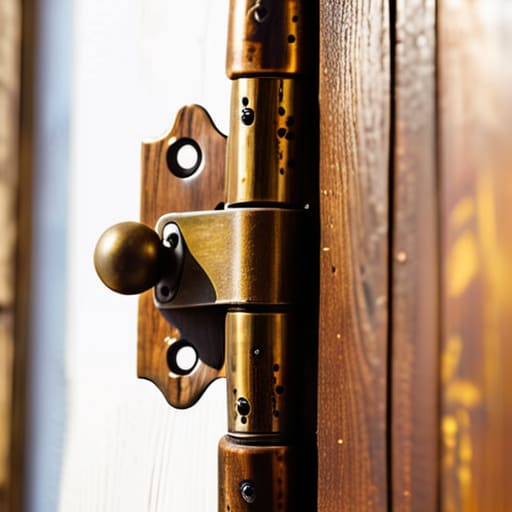
- 4. If you want a cleaner, long-term fix that won’t leave oily drips on your floor, go the old-school route: pull the hinge pin. Use your multi-tool or a hammer and a nail to gently tap the pin upward from the bottom until it pops out. This is where my thrifted furniture restoration habits come in handy—I always prefer a clean mechanical fix over a messy spray.
- 5. Once that pin is out, take a look at it. If it looks dry or gritty, wipe it down with a rag and apply a thin layer of white lithium grease or even a bit of petroleum jelly. This creates a smooth barrier that prevents metal-on-metal friction, which is the real culprit behind that annoying sound.
- 6. Slide the pin back into the hinge carefully. Don’t just force it; make sure it’s aligned with the holes so you don’t bend it. Once it’s back in, tap it down with the handle of your screwdriver until it’s flush.
- 7. Perform a final test. Swing the door wide and then shut it firmly. If you still hear a tiny bit of protest, repeat the lubrication step. Most of the time, though, you’ll find that five minutes of work is all it takes to get your quiet house back.
Quick Fixes Using Common Household Items to Stop Door Noise
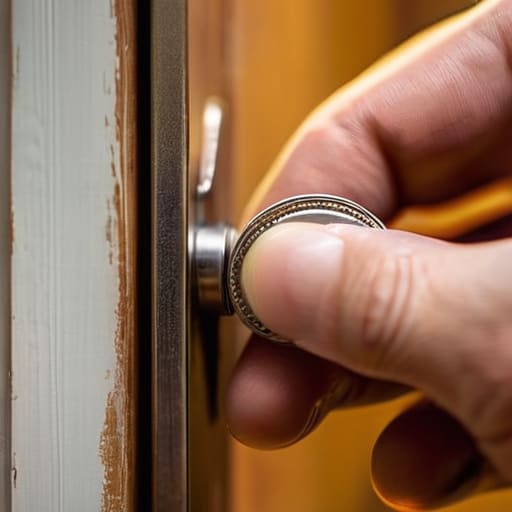
Look, I get it. You might not have a toolbox full of specialized gear, and you definitely don’t want to run to the hardware store for a single can of spray. Most of the time, you can find household items to stop door noise hiding right in your kitchen or bathroom. If you’re in a pinch, a few drops of olive oil or even a bit of cooking spray can work in a heartbeat. Just be careful not to overdo it; you don’t want a greasy mess dripping down your door frame. A tiny amount of petroleum jelly (Vaseline) is also a solid choice because it stays put better than liquid oils.
If you do decide to grab something from the garage, a quick hit of silicone spray for hinges is usually my go-to. It’s cleaner than the heavy-duty stuff and won’t attract as much dust over time. While a lot of people reach for WD-40 for door squeaks, keep in mind that it’s more of a cleaner than a long-term lubricant. It’ll stop the noise immediately, but you’ll likely find yourself repeating the process in a few weeks. Use it to flush out grit, but follow up with a real lubricant if you want it to stay quiet for good.
The Pro Way Lubricating Door Hinges for Long Term Silence
If you’ve tried the quick fixes and the noise keeps coming back, it’s time to stop playing whack-a-mole and actually address the source. Most people reach for a can of WD-40 for door squeaks because it’s what’s under the sink, but here’s the truth: standard WD-40 is a solvent, not a long-term lubricant. It might stop the sound for a week, but it eventually evaporates, leaving your metal-on-metal contact even drier than before. For a permanent solution, I always recommend using a silicone spray for hinges or a dedicated lithium grease. These products create a thin, lasting barrier that actually stays where you put it.
To do this right, you really need to get inside the mechanism. Grab a hammer and a nail to gently tap the hinge pins upward until they pop out. This is the best time for some serious door hinge maintenance tips: check the pins for any corrosion. If you see orange buildup, use a bit of steel wool for removing door pin rust before sliding them back in. Once the pins are clean, coat them lightly with your lubricant and reinsert them. It takes an extra five minutes, but it’s the difference between a temporary patch and total, lasting silence.
Pro-Tips to Keep the Silence (and Save Your Sanity)
- Don’t just spray and pray. If you use an aerosol lubricant like WD-40 Specialist or silicone spray, aim for the pin itself, not just the gaps. You want that lubricant actually getting inside the hinge mechanism, not just coating the metal on the outside.
- Check your alignment while you’re at it. If the squeak persists even after you’ve lubed it, your door might be sagging. A quick look to see if the screws in the top hinge are loose can save you a massive headache later.
- Keep a small rag handy. Lubricants are great until they drip onto your hardwood floors or your rug. Wipe away any excess immediately so you aren’t cleaning up a greasy mess ten minutes after the job is done.
- Clean the gunk out first. If your hinges look crusty or have old, dried-up grease on them, wipe that off with a damp cloth before applying anything new. Adding fresh oil to old grit just creates a weird, abrasive paste that won’t help.
- Listen to the “rhythm” of the squeak. If it’s a sharp, high-pitched chirp, it’s likely metal-on-metal friction. If it’s a low groan, it might be the door rubbing against the frame. Identifying the sound helps you figure out if you need more oil or a quick trim of the door itself.
The Bottom Line
Don’t wait until the squeak is driving you insane; a five-minute fix today saves you a massive headache (and a potential repair bill) later.
Start with what you have in the kitchen or bathroom before you go out and buy specialized lubricants you’ll probably never use again.
If you want it fixed for good, do the job right with proper lubrication rather than just slapping on a temporary hack.
## On the Small Wins
“A squeaky door isn’t just an annoyance; it’s a tiny, nagging reminder of something left undone. Fixing it doesn’t take a master carpenter—it just takes five minutes and the willingness to stop ignoring the small stuff so you can actually enjoy the quiet.”
Owen Silas Vance
Reclaiming Your Quiet Space
At the end of the day, fixing a squeaky door isn’t about being a master carpenter; it’s just about taking a few minutes to address the small stuff before it becomes a massive annoyance. Whether you went the quick route with some cooking oil or did it the right way by pulling the pins and applying a proper lubricant, you’ve successfully removed a friction point from your daily life. Remember that the goal was to stop the noise, not to over-engineer a solution. You identified the problem, used the tools you had on hand, and now that door moves exactly how it’s supposed to.
I know it feels trivial, but these are the tiny victories that actually build confidence. When you stop letting a small, annoying sound dictate the vibe of your apartment, you start realizing that you have way more control over your environment than you think. Don’t let the “big” home repairs intimidate you; most of the time, it’s just a series of small, manageable tasks stacked on top of each other. You don’t need a massive toolkit or a degree to maintain a space that feels like home. You just need to show up, grab your multi-tool, and get it done.
Frequently Asked Questions
What if I don't have any lubricant on hand and I can't get to the store right now?
Look, I’ve been there. It’s 11 PM, the door is screaming every time you move, and the hardware store is miles away. If you’re stuck, head to the kitchen. A tiny bit of cooking oil—olive, vegetable, whatever you have—on a Q-tip can work in a pinch. Even a bar of soap rubbed directly onto the hinge pin can act as a temporary dry lubricant. It’s not a permanent fix, but it’ll buy you some peace.
How do I know if the squeak is actually coming from the hinge or if the door itself is rubbing against the frame?
It’s a fair question, and honestly, it’s the first thing I check before I grab my multi-tool. Here’s the trick: grab a heavy book or a wedge and prop the door so it stays still. If you can still hear that rhythmic screeching while the door is stationary, it’s definitely the hinge. If the noise only happens when the door is physically moving against the wood, you’ve got a rubbing issue, not a squeak.
Is there a way to fix this without taking the whole door off the hinges?
Honestly, you don’t need to go full demolition mode. Taking the door off is a massive headache you don’t need. You can usually get away with just pulling the hinge pin halfway out with a hammer and a nail set, cleaning it, and lubing it right there. If you can’t even do that, just aim your lubricant directly into the top of the hinge seam. It’s a bit messy, but it works.