Look, you don’t need a $500 espresso machine or a degree in chemistry to stop drinking sludge. I spent way too many years thinking that learning how to make coffee at home meant buying every shiny gadget on a curated Instagram feed, only to end up with a kitchen full of expensive clutter and a cup that still tasted like burnt rubber. The truth is, the coffee industry loves to gatekeep quality by making you believe you’re incapable of brewing a decent cup without a specialized laboratory setup. It’s a total racket, and honestly, it’s exhausting.
I’m not here to sell you on a lifestyle or a specific brand of overpriced beans. My goal is to strip away the pretension and show you that competence comes from understanding a few simple variables, not from how much you spend at a boutique cafe. I’m going to walk you through the most practical, budget-friendly methods I’ve tested in my own cramped kitchen so you can finally master the basics. We’re going to focus on real results and zero fluff, getting you a killer caffeine fix without draining your bank account.
Table of Contents
Essential Coffee Brewing Equipment for Beginners
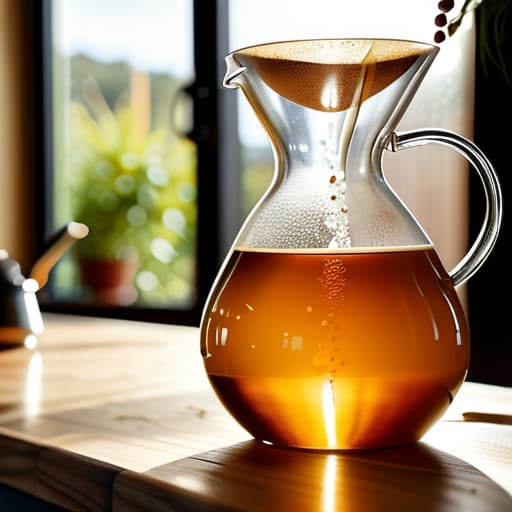
Look, you don’t need a $1,000 espresso machine sitting on your counter to get a decent cup. When I first started trying to cut back on my cafe runs, I felt like I needed a laboratory setup just to function. That’s a lie. If you’re looking for the most effective coffee brewing equipment for beginners, start with a simple French press or a Pour Over dripper. These tools are cheap, easy to clean, and they don’t take up much space in a small apartment.
The real secret isn’t the gadget, though; it’s the quality of your ingredients. If you want to actually taste the difference, invest in a decent burr grinder. Using freshly ground coffee beans is the single biggest upgrade you can make. Pre-ground stuff sits in a bag losing its soul every day. Pair that with a basic gooseneck kettle if you’re doing pour-overs, and you’ve already bypassed 90% of the mistakes people make. You’re building a system here, not just making a drink.
The Magic of Using Freshly Ground Coffee Beans
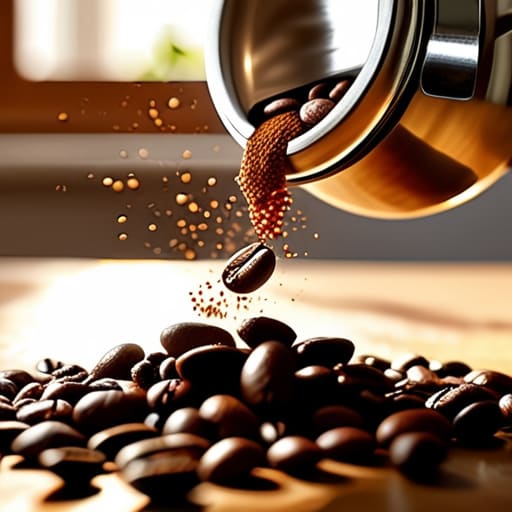
Look, I get it. Buying a bag of pre-ground coffee is convenient, especially when you’re rushing to get to a meeting. But if you’re serious about improving your morning routine without spending a fortune on fancy cafe drinks, you have to stop buying the pre-ground stuff. The second those beans are crushed, they start losing their aromatic oils to the air. By the time you open that bag, half the flavor has already escaped. If you want to actually taste the notes of chocolate or fruit that the roaster intended, you need to start using freshly ground coffee beans.
It’s honestly one of the most impactful specialty coffee brewing tips I’ve ever picked up, and it doesn’t require a massive investment. Even a basic, inexpensive burr grinder will change your life. When you grind right before you brew, you’re controlling the surface area and ensuring the water hits the grounds at the optimal moment. This consistency is the backbone of all successful coffee extraction techniques; it’s the difference between a cup that tastes like bitter ash and one that actually wakes up your palate.
Five Ways to Stop Making Mediocre Coffee
- Get your water temperature right. If you’re using boiling water straight off the stove, you’re basically scalding the grounds and making your coffee taste bitter and burnt. Let it sit for about thirty seconds after it hits a boil, or aim for around 200°F. It’s a small tweak that makes a massive difference in flavor.
- Stop using tap water if it tastes like a swimming pool. Coffee is about 98% water, so if your tap water has a heavy chlorine or mineral taste, your coffee will too. I keep a cheap Brita pitcher on my counter; it’s a small investment that saves the whole cup.
- Master the ratio so you aren’t guessing. Stop eyeballing it with a random spoon. Grab a cheap digital kitchen scale—I use one every single morning. A good starting point is about 1 gram of coffee for every 16 grams of water. Once you have that baseline, you can adjust to your liking without the guesswork.
- Keep your gear clean. I see people use the same French press for weeks without a deep scrub, and eventually, you’re just tasting old, rancid coffee oils. Wash your carafe and your filters with warm, soapy water after every use. It’s not rocket science, it’s just basic maintenance.
- Store your beans properly (and keep them out of the freezer). I used to think the freezer was the place for beans, but the moisture changes are a nightmare. Keep your bag in a cool, dark cupboard in an airtight container. Treat your beans like they’re valuable, because they are.
The Bottom Line
Don’t get sucked into the gear trap; you only need a decent brewer and a grinder to make a massive difference compared to what you’re drinking now.
Prioritize freshness above everything else—buying whole beans and grinding them right before you brew is the single biggest way to level up your cup.
Treat this as a skill, not a chore; start with the basics, get your rhythm down, and you’ll save a fortune without sacrificing the quality.
The Real Reason to Brew at Home
“You don’t need a $500 espresso machine or a degree in chemistry to make a decent cup; you just need to stop treating coffee like a luxury and start treating it like a skill you can actually master for the price of a few beans.”
Owen Silas Vance
The Bottom Line
Look, you don’t need a $1,000 espresso machine or a degree in chemistry to make a decent cup of coffee. We’ve covered the essentials: get yourself some decent gear, stop buying the pre-ground stuff, and start prioritizing freshness over everything else. It really comes down to the basics—the right beans, a decent grind, and a little bit of patience. Once you nail these fundamentals, you’ll realize that most of those overpriced cafe drinks are just marketing wrapped in fancy foam. You’ve got the tools and the logic now; the rest is just consistent practice.
At the end of the day, this isn’t just about caffeine; it’s about taking one small, manageable part of your morning back from the chaos. There’s something incredibly grounding about the ritual of brewing your own drink, especially when you know you didn’t have to blow ten bucks on a drive-thru window just to wake up. Don’t let the fear of “doing it wrong” keep you from starting. Just grab a bag of beans, get messy with the process, and trust your palate. You’re more capable than you think, and honestly, your bank account—and your kitchen—will thank you.
Frequently Asked Questions
Do I really need a fancy burr grinder, or can I just use a cheap blade one?
Look, I get it. When you’re trying to build a routine without breaking the bank, a cheap blade grinder looks like a win. But here’s the reality: blade grinders are basically just chopping your beans into a chaotic mix of fine dust and giant chunks. That inconsistency is why your coffee ends up tasting both bitter and sour at the same time. If you can swing it, get a manual burr grinder. It’s cheaper than electric, lasts forever, and actually gives you control.
How do I know if my water temperature is actually right without buying a thermometer?
Look, you don’t need a fancy digital thermometer to get this right. If you’re using a standard electric kettle, just let it boil, then pull it off the heat and wait about 60 to 90 seconds. That’s usually the sweet spot. If you’re using a stovetop pot, watch for those tiny, simmering bubbles—not a violent rolling boil. It’s about feeling the heat, not just reading a number. Just don’t burn the beans.
Is it worth buying expensive beans, or can I get a decent cup using the supermarket stuff?
Look, I get the temptation to just grab whatever’s on sale near the milk, but here’s the truth: your beans are the foundation of everything. You don’t need to drop $30 on a tiny bag of artisanal single-origin beans every week, but supermarket “bulk” coffee is often stale by the time it hits your mug. Aim for the middle ground—local roasters or decent mid-range brands. If it’s fresh, it’s worth the extra couple of bucks.