I used to think that learning how to make a stir fry meant I needed a $200 carbon steel wok and a pantry full of specialized sauces I couldn’t actually pronounce. Growing up in a cramped apartment where every dollar was already spoken for, I couldn’t afford to waste money on “authentic” ingredients just to make a Tuesday night dinner. I spent way too many evenings staring at a limp bag of frozen veggies and a bottle of soy sauce, feeling like I was failing at a basic life skill because I didn’t have the fancy equipment the internet told me I needed.
Forget the gatekeeping and the expensive kitchen gadgets. I’m going to show you how to master this with the basic tools you already have in your cabinets. I’m not here to give you a culinary lecture; I’m here to give you a reliable system for turning whatever random scraps are in your fridge into a solid, hot meal. We’re going to strip away the fluff and focus on the actual mechanics of heat and timing so you can stop overthinking dinner and just start cooking.
Table of Contents
Mastering Vegetable Prep for Stir Fry Without the Stress
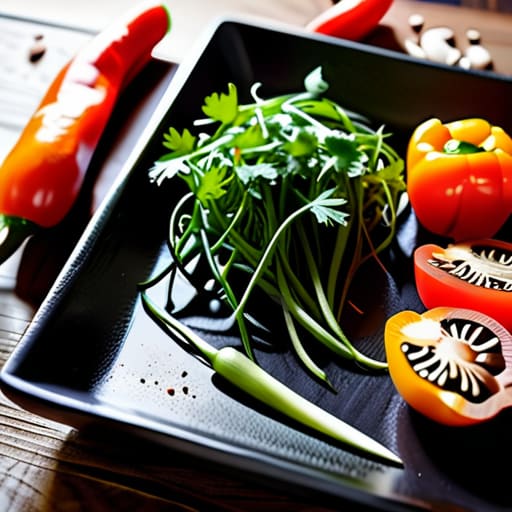
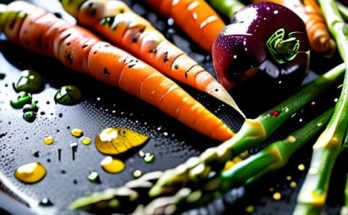
The biggest mistake I see people make is trying to chop as they go. If you wait until the oil is smoking to start slicing your peppers, you’ve already lost the battle. The secret to successful vegetable prep for stir fry is doing all the heavy lifting before you even touch the stove. I like to clear my entire workspace, grab a large cutting board, and group everything into small bowls or piles. Think of it like organizing a project site—if your materials aren’t staged and ready, the whole process becomes chaotic.
When you’re prepping, aim for uniformity. You want your broccoli florets, carrots, and snap peas to be roughly the same size so they cook at the same rate. If one piece is a massive chunk and another is a sliver, you’ll end up with some mushy bits and some raw ones. Keep your knife sharp and work in a rhythm. Once everything is sliced and organized by how long it takes to cook, you can actually enjoy the process instead of panicking over a hot pan.
Simple Protein Marinade for Stir Fry That Actually Works
Look, I get it. You’re staring at a pack of chicken thighs or some tofu, wondering if you need a chemistry degree to make it taste like something other than boiled sadness. You don’t. The secret to a decent protein marinade for stir fry isn’t a list of twenty exotic spices; it’s about balance. I usually stick to a simple ratio of soy sauce for salt, a splash of toasted sesame oil for that nutty depth, and a little bit of cornstarch. That cornstarch is the real MVP—it creates a thin coating that helps the sauce cling to the meat later instead of just sliding off into the bottom of the pan.
If you’re feeling a bit more adventurous, throw in some grated ginger or a smashed garlic clove. The goal here is to infuse flavor without making the mixture so heavy that it prevents high heat cooking methods from actually searing the edges. You want a quick soak—maybe twenty minutes while you’re finishing up your vegetable prep—not a deep overnight soak. Keep it light, keep it fast, and let the heat do the heavy lifting once it hits the pan.
Five Ways to Stop Your Stir Fry From Turning Into a Mess
- Get your station ready before you even touch the stove. Stir frying happens fast—once that oil is hot, you won’t have time to chop a carrot or hunt for the soy sauce. Have everything in bowls within arm’s reach so you aren’t scrambling mid-cook.
- Don’t crowd the pan. If you dump a mountain of veggies in at once, the temperature drops, the moisture builds up, and you end up steaming them instead of searing them. Cook in batches if you have to; it’s better to do it twice than to eat soggy food.
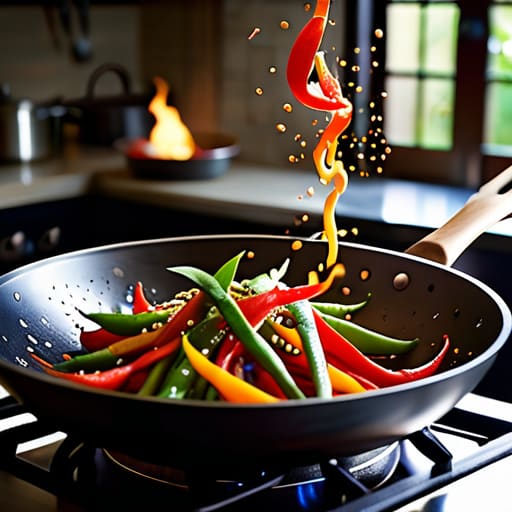
- Heat is your best friend. You want that pan screaming hot. If you see a little wisp of smoke, you’re in the right ballpark. That high heat is what gives you those slightly charred, crispy edges that make a stir fry actually taste like restaurant food.
- Dry your ingredients. If your veggies are still dripping wet from the sink, they’re going to hit the oil and splatter everywhere, and you’ll lose that sear. Pat them dry with a paper towel first. It’s a small step that saves your stovetop (and your skin).
- Save the sauce for the end. If you pour your liquid seasonings in too early, they’ll boil off or burn before the food is cooked. Wait until everything is tender and hot, then pour the sauce in to glaze everything right before you pull it off the heat.
The Bottom Line for a Better Stir Fry
Prep everything before you even touch the stove—once that pan gets hot, there’s no going back to find a knife.
Don’t get hung up on “perfect” ingredients; just use what’s in your fridge and focus on cutting everything into uniform, bite-sized pieces.
Keep the heat high and the movement constant to avoid soggy veggies and ensure everything gets that quick, even sear.
## The Secret to Not Ruining Your Dinner
“A great stir fry isn’t about following a rigid recipe or having a professional kitchen; it’s about respect for the heat and getting your prep done before the pan even gets warm. If you’re chopping while you’re cooking, you’ve already lost the battle.”
Owen Silas Vance
Getting It Done
At the end of the day, a great stir fry isn’t about following a rigid recipe or owning a professional-grade wok. It’s about the prep work—getting your veggies chopped and your protein marinated so you aren’t scrambling once the pan gets hot. Once you have your components organized, the actual cooking is just a matter of staying focused and keeping that heat high. Remember, if a piece of broccoli looks a little charred or your sauce thickens faster than you expected, it’s not a failure; it’s just part of the process. The goal is to eat well without spending an hour cleaning a mountain of dishes, so keep it simple and keep it moving.
I know that when you’re tired after a long shift, the idea of “cooking from scratch” can feel like an extra chore on an already heavy list. But I promise you, once you master this basic rhythm, you’ll realize that you don’t need a massive grocery budget or a culinary degree to take control of your kitchen. Competence is built one meal at a time, and tonight, you’re building it. Stop waiting for the “perfect” moment to start eating better and just turn on the stove. You’ve got this.
Frequently Asked Questions
What’s the best way to keep my veggies from turning into a mushy mess?
The secret is all about heat management and timing. Most people crowd the pan, which drops the temperature and basically steams your veggies into mush. Instead, cook in batches. Sear your harder veggies (like carrots or broccoli) first, pull them out, then toss in the quick-cooking stuff (like peppers or spinach) at the very end. You want a crunch that fights back, not a pile of wet leaves. Keep the heat high and keep moving.
Do I really need a wok, or can I just use the heavy pan I already have?
Look, I get it. You don’t need to drop $100 on a professional carbon steel wok just to get dinner on the table. If you’ve got a heavy skillet or a cast iron pan, use it. The key is heat retention. You want something that stays hot when the veggies hit the surface so you’re actually searing them instead of just steaming them in their own juices. Just don’t crowd the pan.
How do I know when the sauce is thick enough to coat everything without being too salty?
The easiest way to tell is the “spoon test.” Dip a spoon into the sauce; if it coats the back of the spoon smoothly without immediately running off like water, you’re getting close. If it looks glossy and clings to your veggies, stop there. To keep the salt in check, don’t add more soy sauce to thicken it—just use a tiny bit more cornstarch slurry. It adds body without the salt bomb.