I used to think that hosting someone meant I needed a showroom-ready spare room with a designer duvet and matching bedside lamps. I spent way too much time scrolling through Pinterest, feeling guilty that my “guest space” was actually just a cramped corner of my apartment filled with half-finished DIY projects and a folding chair. The internet loves to sell you this myth that you need a massive budget and a professional decorator to implement decent guest room ideas, but honestly? That’s just gatekeeping. You don’t need a luxury suite to be a good host; you just need a space that doesn’t feel like a storage unit.
I’m not here to give you a list of expensive furniture sets or aesthetic trends that won’t last a month. Instead, I’m going to share the practical, low-cost ways I’ve learned to make a small space feel intentional and comfortable. We’re going to focus on the essentials—think smart lighting, decent textiles, and a few clever organizational hacks—that actually work in a real, lived-in home. My goal is to help you master some functional guest room ideas so you can stop stressing about the “perfect” setup and just start hosting with confidence.
Table of Contents
- Mastering the Hotel Style Guest Bedroom Without the High Price Tag
- A No Nonsense Guest Room Essentials Checklist for Real Comfort
- Five Low-Stakes Upgrades That Actually Make a Difference
- The Bottom Line for a Stress-Free Guest Room
- The Real Goal of a Guest Room
- Final Thoughts on Your Guest Space
- Frequently Asked Questions
Mastering the Hotel Style Guest Bedroom Without the High Price Tag
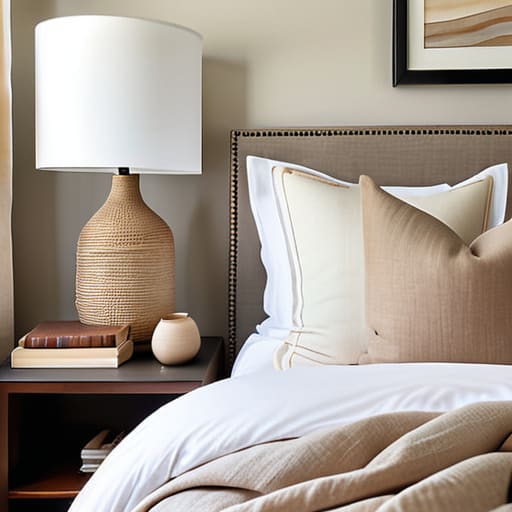
You don’t need a five-star budget to nail that high-end feel. Most people think a hotel style guest bedroom requires designer furniture, but it’s actually about the small, intentional details that make a person feel cared for. Start with the bed. Instead of just throwing on whatever sheets you have lying around, go for a crisp, neutral set and layer on a heavy duvet. It’s the weight of the bedding that creates that sense of luxury. If you’re working with small spare room decor, don’t clutter the space; stick to a cohesive color palette to make the room feel intentional rather than cramped.
Next, focus on the “invisible” comforts. I always keep a small basket near the bed with a few basic guest room amenities for visitors—think a carafe of water, a phone charger, and maybe a spare universal adapter. It’s these little touches that signal you’ve actually thought about their needs. You’re not just providing a place to sleep; you’re creating a cozy guest space where they can actually decompress. Keep it simple, keep it clean, and let the comfort do the heavy lifting.
A No Nonsense Guest Room Essentials Checklist for Real Comfort
Look, you don’t need to turn your spare room into a showroom to be a good host. Most people overcomplicate this by trying to buy everything at once, but a solid guest room essentials checklist is really just about addressing the basics: sleep, light, and storage. Start with the bed—don’t skimp on the linens. You don’t need a thousand-thread-count Egyptian cotton set, but a clean, breathable duvet and at least two extra pillows go a long way. If you’re working with small spare room decor constraints, focus on vertical space or a slim nightstand so they actually have a place to set their phone or a glass of water.
Beyond the bed, think about the small stuff that makes someone feel like they aren’t just crashing on a couch. A decent lamp for reading and a few extra hangers in the closet are game-changers. I always keep a small basket with some basic guest room amenities for visitors—think a fresh towel, a phone charger, and maybe a carafe of water. It’s not about being fancy; it’s about anticipating their needs so they don’t have to ask.
Five Low-Stakes Upgrades That Actually Make a Difference
- Don’t ignore the lighting. Overhead lights are harsh and clinical; grab a cheap floor lamp or a couple of warm-toned bedside lamps to create a vibe that says “relax” rather than “interrogation room.”
- Clear a little bit of surface area. People need a place to put their phone, their glasses, or a half-empty water bottle. If you don’t have a nightstand, even a small floating shelf or a sturdy stack of books works.
- Stock a “forgotten stuff” basket. I keep a small bin with things like an extra phone charger, some ibuprofen, and maybe a cheap toothbrush. It saves them from having to ask for every little thing and makes them feel less like an intruder.
- Layer your textiles. You don’t need a designer duvet, but adding one extra throw blanket at the foot of the bed makes the room feel intentional and cozy rather than just a spare room where you store boxes.
- Manage the clutter. If the guest room is currently your “catch-all” for laundry or random projects, take twenty minutes to clear the visual noise. A guest can handle a small room, but they can’t handle a room that feels like a storage unit.
The Bottom Line for a Stress-Free Guest Room
Prioritize function over fluff; a comfortable mattress and decent lighting matter way more than expensive decor or matching furniture sets.
Focus on the small, high-impact details—like a dedicated charging spot or a clean set of towels—to make guests feel welcome without a massive budget.
Don’t aim for a showroom look; aim for a space that feels lived-in and easy to use, so you aren’t stressing about every single pillow placement.
The Real Goal of a Guest Room
A guest room shouldn’t be a museum of expensive decor you’re afraid to touch; it’s about creating a small, functional sanctuary where your people feel like they actually belong, not like they’re trespassing in a showroom.
Owen Silas Vance
Final Thoughts on Your Guest Space
Look, at the end of the day, you don’t need a showroom-ready suite to be a good host. We’ve covered a lot—from pulling off that high-end hotel vibe on a budget to making sure you actually have the functional essentials like decent lighting and clean linens. The goal isn’t to impress people with how much money you spent on a guest bed; it’s about making sure they feel like they have a reliable place to land. If you’ve got a comfortable mattress, a clear spot for their bag, and a little bit of intentionality, you’ve already won the game.
Don’t let the fear of a “not-quite-perfect” room stop you from opening your door to friends and family. I spent years thinking I couldn’t host anyone because my apartment wasn’t “adult” enough, but I realized that people just want to feel welcome and comfortable. Whether you’re working with a tiny spare corner or a dedicated bedroom, just take it one step at a time. Start with what you have, fix what’s broken, and just start doing it. Your home is a work in progress, and that is perfectly okay.
Frequently Asked Questions
I don't have a spare room—how can I make a guest setup work in a tiny studio or a corner of my living room?
Look, I’ve lived in studios where my “guest room” was basically just a corner of my rug. If you don’t have a spare door to close, focus on zoning. Use a folding screen or even a tall bookshelf to create a visual boundary. Invest in a high-quality air mattress or a floor lounger rather than a bulky futon. It’s about making them feel like they have a dedicated “spot” without sacrificing your entire living space.
How do I choose bedding that actually feels high-end but won't fall apart after two washes?
Look, don’t get blinded by the “luxury” labels. Most of that is just marketing fluff. If you want that crisp, hotel feel that actually lasts, look for long-staple cotton—percale is my go-to because it’s breathable and gets better with age. Avoid anything with a super high thread count; usually, that just means they’ve crammed more cheap, weak fibers in there. Stick to 300–400, check the weave, and your guests will actually sleep well.
What are some low-effort ways to make the space feel "finished" if I'm on a strict budget?
If you’re tight on cash, stop looking at big furniture and start looking at lighting and layers. Swap out that harsh overhead light for a cheap floor lamp with a warm bulb—it instantly hides imperfections and creates a vibe. Next, grab a single textured throw blanket or a couple of decent pillows. It fills the visual “empty space” on the bed. It’s low effort, but it makes the room look intentional rather than just a spare bedroom.