I was sitting on my floor last weekend, surrounded by three half-packed boxes of my late grandmother’s things, feeling completely paralyzed. I had this massive pile of old, chipped ceramics and faded letters that felt less like “treasures” and more like emotional anchors dragging me down. We’ve been sold this idea that if we don’t keep every single physical scrap of our past, we’re somehow erasing the people we love. But let’s be real: decluttering sentimental items isn’t about deleting your history; it’s about realizing that a dusty box of old high school trophies isn’t actually doing your memories any favors.
I’m not here to give you some flowery, “mindful minimalist” lecture about how your soul will expand once you toss your junk. I’m here to give you a practical, no-nonsense framework for deciding what stays and what goes without the guilt trip. I’ve spent enough time digging through cramped apartments and thrift store bins to know that competence in this area comes down to systems, not magic. I’m going to show you how to honor your past without letting it hold your future hostage.
Table of Contents
Taming Your Emotional Attachment to Belongings
The hardest part isn’t the physical act of moving a box; it’s the mental tug-of-war that happens when you hold something that feels like a piece of your identity. We often mistake the object for the memory itself, thinking that if we toss the chipped mug from my college dorm, the laughs we had over cheap coffee will vanish too. That’s a lie. Dealing with emotional attachment to belongings is really about untangling the item from the feeling. You have to realize that the memory lives in your head, not in the clutter sitting on your shelf.
If you’re struggling with how to downsize heirlooms or those dusty childhood mementos, try changing your perspective. Instead of asking, “Can I throw this away?” ask, “Does this item actually serve my life right now?” I’ve learned that quality beats quantity every single time. If you have a mountain of stuff, the memories get buried under the weight of the mess. By choosing just a few meaningful pieces to keep, you aren’t erasing your past—you’re actually giving the things that truly matter the room they deserve to breathe.
How to Downsize Heirlooms Without the Guilt
Here’s the thing: you don’t have to keep the actual physical object to keep the memory alive. When I was clearing out my grandmother’s old sideboard last summer, I realized I didn’t need every single chipped tea cup to remember her. I started using better memory preservation techniques, like taking high-quality photos of the items or even commissioning a small sketch of a meaningful piece. Once it’s digitized, the pressure to find a permanent spot for a bulky, dusty relic disappears.
If you’re struggling with how to downsize heirlooms without feeling like you’re erasing your history, try the “one-in, one-out” rule or pick a single “legacy item” for each family member. Instead of keeping a whole box of childhood mementos, pick the one trophy or one drawing that actually sparks a specific story. Focus on the story, not the stuff. By selecting just one representative piece, you honor the past without letting it clutter your present. It’s not about losing your roots; it’s about making sure your roots have room to grow.
Five Ways to Clear the Clutter Without Losing the Memory
- Use the “Photo Swap” trick. If you have a bulky item—like your grandma’s old ceramic lamp—that you love but can’t fit in your apartment, take a high-quality photo of it. Keep the photo in a digital album or a small physical book. You get to keep the memory without the dust and the footprint.
- Set a “Decision Boundary.” Don’t try to go through your entire childhood bedroom in one afternoon; you’ll burn out and end up crying over a middle school yearbook. Pick one specific category, like old letters or trophies, and give yourself exactly thirty minutes. When the timer goes off, you stop.
- The “One-In, One-Out” Rule for Heirlooms. If you’re inheriting a bunch of family stuff, don’t just let it pile up. For every new sentimental piece you decide to keep, choose one other item to pass on or donate. It forces you to be intentional about what actually earns a spot on your shelf.
- Create a “Maybe Box.” If you’re staring at an object and feel that instant knot of guilt, don’t force a ‘yes’ or ‘no.’ Put it in a box, tape it up, and write a date six months from now on the side. If you haven’t thought about that item once by that date, you have your answer.
- Focus on the “Why,” not the “What.” When you’re looking at a stack of old concert tees, ask yourself if you actually love the shirt or if you just miss the feeling of that night. If it’s just the memory, let the physical object go. The memory is already in your head; it doesn’t need a dedicated drawer in your dresser.
The Bottom Line
Separate the memory from the object; you don’t need a chipped ceramic mug to remember your grandma, you just need the story behind it.
Stop trying to save everything at once—pick one small category, like old cards or trinkets, and tackle it before you burn out.
If an item is purely taking up space and causing you stress, it’s not a treasure, it’s a burden; let it go so you can actually enjoy the things that remain.
## The Reality Check
“A memory isn’t trapped inside a dusty box or a chipped ceramic mug; it lives in you. Don’t let the physical weight of stuff you’re too afraid to let go of actually crowd out the life you’re trying to build right now.”
Owen Silas Vance
Moving Forward Without the Weight
At the end of the day, decluttering your sentimental items isn’t about erasing your history or disrespecting the people who gave you these things. It’s about deciding which memories actually deserve a permanent spot in your physical space and which ones are better kept in a photo album or a story. We talked about shifting your mindset from “keeping” to “honoring,” finding ways to downsize heirlooms through photography or smaller keepsakes, and most importantly, breaking the cycle of guilt that keeps your closets overflowing. You don’t need to keep every single chipped mug or faded letter to prove you care. Once you separate the object from the emotion, you’ll find that the memory stays even when the clutter goes.
I know this stuff is hard. I’ve spent many Saturday afternoons sitting on my floor, surrounded by old boxes, feeling like I was losing a piece of myself with every item I put in a donation bin. But I promise you, the clarity you feel once that weight is lifted is worth the temporary discomfort. Your home should be a place where you can breathe, not a museum for things you’re too afraid to let go of. Stop waiting for the “perfect” time to start, because that moment doesn’t exist. Just grab one box, take one small step, and reclaim your space. You’ve got this.
Frequently Asked Questions
What do I do if my family members are the ones pressuring me to keep things I don't actually want?
This is where it gets tricky, because it’s not just about stuff anymore—it’s about people. When family pressures you, they aren’t usually trying to clutter your apartment; they’re trying to preserve a memory.
Is there a way to keep the memory of an object without actually having to store the physical item in my small apartment?
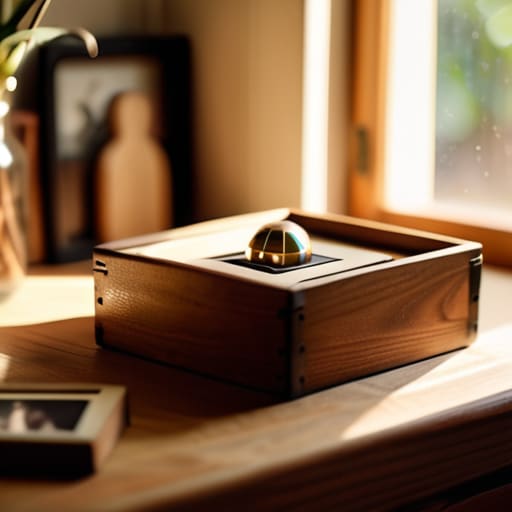
You don’t need the actual thing to keep the story. I do this all the time with thrifted finds or old family pieces that are too bulky for my place. Take a high-quality photo of it—really capture the details—and put it in a dedicated digital album. If it’s something small, like a piece of jewelry, keep it in a small keepsake box. You’re keeping the memory, not the clutter.
How do I know the difference between a genuine heirloom and just something I'm holding onto out of habit?
Here’s the litmus test I use: Ask yourself if you’d actually keep it if it wasn’t “important.” If you saw it in a thrift store, would you buy it? If the answer is no, you’re likely just holding onto the ghost of a memory, not the object itself. A real heirloom sparks a genuine connection; habit is just a heavy weight you’ve gotten used to carrying. Don’t mistake clutter for legacy.