I used to think that figuring out how to reduce sugar in your diet meant I had to overhaul my entire kitchen with $80 organic monk fruit sweeteners and spend my Sunday afternoons meal-prepping kale salads. Honestly, that sounds exhausting and, frankly, a bit ridiculous. I grew up in a house where we didn’t have the luxury of “wellness trends”—we just had what was in the pantry. When I first tried to cut back, I felt like I was failing because I couldn’t afford the boutique “sugar-free” lifestyle you see all over social media. It turns out, the gatekeeping around healthy eating is mostly just noise.
I’m not here to sell you a detox tea or a complicated lifestyle overhaul that costs more than my monthly rent. Instead, I want to show you how to approach this with the same practical mindset I use when I’m restoring a thrifted chair: one steady step at a time. I’m going to share the actual, low-effort swaps I use to manage my energy without making my life a chore. No hype, no expensive supplements—just straightforward tactics that actually work for real people with busy lives.
Table of Contents
Spotting Hidden Sugars in Processed Foods Without the Stress
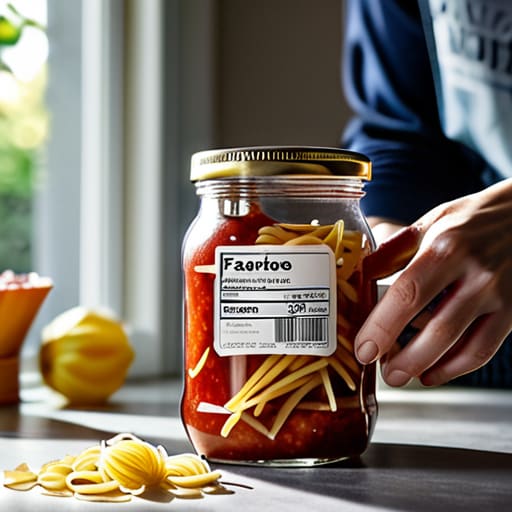
Here’s the thing: most of the sugar you’re eating isn’t even coming from a bowl of dessert. It’s hiding in plain sight in things like pasta sauce, salad dressings, and even your morning yogurt. When I first started looking into this, I felt totally overwhelmed by the sheer amount of junk in my pantry. But you don’t need to become a chemist to get it right; you just need to get comfortable with reading nutrition labels for sugar. If you see words ending in “-ose”—like fructose, dextrose, or maltose—that’s just a fancy way of saying sugar is lurking in the ingredients list.
Don’t let the marketing fool you. A box might say “all natural” or “low fat,” but that’s often code for “we added extra syrup to make it taste less like cardboard.” I’ve learned to look past the big, bold claims on the front of the box and flip it over to the actual numbers. Instead of stressing over every single gram, just try to spot the patterns. Once you start identifying these hidden sugars in processed foods, you’ll realize how much easier it is to make better choices without feeling like you’re on a restrictive diet.
Mastering Reading Nutrition Labels for Sugar Like a Pro
Look, I get it. Staring at those tiny, cramped nutrition labels feels like trying to read a legal contract while you’re just trying to grab a snack. It’s overwhelming. But once you know what to look for, reading nutrition labels for sugar becomes second nature—kind of like checking the structural integrity of a thrifted chair before you buy it. Don’t just scan for the “Total Sugars” line and call it a day; that’s where the marketing teams hide the truth.
You need to flip the package over and hunt down the ingredient list. If you see words ending in “-ose”—like fructose, dextrose, or maltose—that’s a red flag. Companies love using these to pad the nutritional value without making it obvious. I’ve learned that the first three ingredients tell the real story of what you’re actually eating. If a sweetener is sitting right up there at the top, put it back on the shelf. It’s not about being perfect or following a strict sugar detox; it’s just about knowing exactly what’s going into your body so you aren’t being played by a clever label.
Five Low-Stress Ways to Cut Back Without Losing Your Mind
- Swap the liquid sugar for real hydration. I used to grab a soda every time I felt a mid-afternoon slump, but honestly, it just made the crash worse. Switch to sparkling water with a squeeze of lime or just plain old iced tea. It’s a small change that keeps your energy levels from spiking and crashing like a bad stock market day.
- Master the art of the “whole food” swap. Instead of reaching for a granola bar that’s basically a candy bar in disguise, grab a handful of almonds or an apple with some peanut butter. When you eat things in their natural state, you aren’t fighting against added syrups and corn sweeteners.
- Don’t skip breakfast, but ditch the cereal. Most of those “healthy” cereals are just sugar-coated cardboard. I started making overnight oats with some berries and chia seeds instead. It takes five minutes to prep the night before, it’s cheap, and you won’t be hunting for a pastry by 10:00 AM.
- Watch the “healthy” sauces and dressings. This is a big one I learned the hard way. You think you’re being smart with a low-fat vinaigrette, but they usually pump it full of sugar to make up for the lost flavor. Stick to olive oil, balsamic vinegar, and basic spices. It’s cheaper, better for you, and tastes more authentic.
- Practice the 80/20 rule to stay sane. If I tried to cut every single gram of sugar out of my life overnight, I’d quit by Tuesday. Aim to eat clean 80% of the time, and let yourself have the occasional treat the other 20%. It’s about building a sustainable habit, not running a marathon on a diet of nothing but kale.
The Bottom Line: How to Keep It Simple
Don’t try to overhaul your entire pantry overnight; just focus on swapping one high-sugar habit for a better one each week so you don’t burn out.
Treat nutrition labels like a cheat sheet—if a “healthy” snack has a long list of ingredients you can’t pronounce, it’s probably just sugar in disguise.
Prioritize whole foods whenever you can, because it’s much harder for manufacturers to hide sugar in an apple than it is in a granola bar.
The Reality Check
“Cutting sugar isn’t about a radical, overnight overhaul that leaves you miserable; it’s just about making smarter, small swaps so you aren’t accidentally fueling your day with a chemistry experiment.”
Owen Silas Vance
Keeping the Momentum
Look, cutting back on sugar isn’t about some overnight transformation or living on nothing but kale and sadness. It’s really just about awareness. We’ve covered how to spot those sneaky ingredients hiding in your favorite snacks and how to actually make sense of a nutrition label without feeling like you’re taking a chemistry exam. Once you start seeing the difference between a natural fruit sweetness and the added corn syrup masquerading as “healthy,” the game changes. You don’t need to overhaul your entire pantry by tomorrow morning; you just need to start making smarter, more intentional swaps whenever you can.
At the end of the day, don’t let a single slip-up turn into an excuse to throw in the towel. If you grab a sugary latte or a candy bar, don’t beat yourself up—just get back on track with your next meal. This isn’t about achieving some unattainable level of perfection; it’s about building a sustainable habit that works for your actual life. Competence is a skill, and just like fixing a wobbly chair or balancing a budget, you get better at this the more you do it. Just keep showing up for yourself.
Frequently Asked Questions
What should I eat when the sugar cravings actually hit so I don't spiral and order takeout?
When the craving hits, don’t fight it with willpower alone—that’s a losing battle. Instead, pivot to something that hits the same sensory notes without the crash. If you need crunch, grab some almonds or apple slices with peanut butter. If it’s a sweet fix, try Greek yogurt with a handful of berries. The goal is to pair a little sweetness with protein or fiber to keep your blood sugar steady so you don’t spiral.
Is it actually better to switch to artificial sweeteners, or is that just trading one problem for another?
Honestly? It’s usually just trading one problem for another. I used to think swapping soda for diet versions was a “win,” but it’s a slippery slope. Artificial sweeteners can keep your brain hooked on that intense sweetness, making real food taste dull by comparison. If you’re trying to reset your palate, don’t rely on them as a crutch. Aim for the real stuff in moderation instead of chasing a chemical substitute.
How do I manage eating out with friends without feeling like the person who's making everything difficult?
Look, I’ve been there—standing in a group of friends while everyone picks the most expensive, calorie-heavy spot, feeling like the “difficult” one because I’m watching my budget or my health. Don’t let the social pressure win. Instead of making it a big production, just be the one who suggests the place first. “Hey, I’ve been craving that taco spot lately, you guys down?” It’s way easier to steer the ship than to fight the current.