I still remember the smell of cheap wood glue and old dust in the basement of my apartment building, where I spent my weekends trying to make a $10 thrifted chair look like something from a magazine. Growing up in a cramped rental, I learned pretty quickly that the “aesthetic” lifestyle you see on social media is often just a clever way to make you feel like your home isn’t good enough. Most people will tell you that you need a massive credit line to transform a room, but they’re selling you a fantasy. The truth is, real budget decorating ideas aren’t about buying more stuff; they’re about knowing how to use what you already have and having the guts to fix things yourself.
I’m not here to give you a list of expensive “dupes” or trendy items that will be out of style by next Tuesday. Instead, I’m going to share the practical, hands-on methods I use in my own projects to make a space feel intentional without draining my savings. We’re going to focus on smart, sustainable shifts—from lighting hacks to furniture refinishing—that actually work in the real world. Let’s stop overcomplicating your living situation and just get to work.
Table of Contents
Low Cost Interior Design Tips for Instant Impact
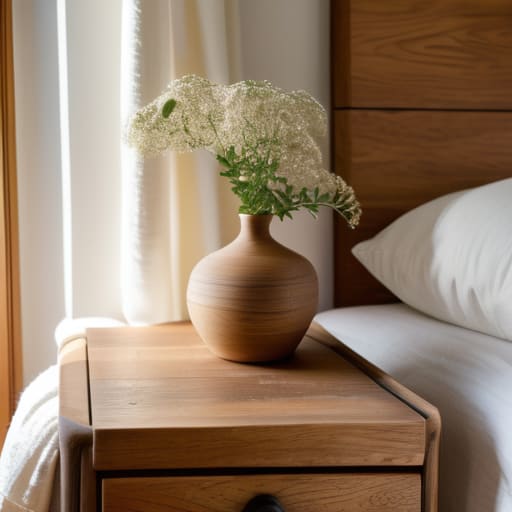
First, let’s talk about the stuff you already own. Before you head out to spend money you haven’t earned yet, look around your room. Most of us are sitting on a goldmine of potential. I spent my entire weekend last week repurposing old furniture I found in the alley—a beat-up nightstand that just needed a light sanding and some new hardware to look like a boutique piece. Instead of buying a matching set from a big-box retailer, try mixing textures or changing the hardware on your existing dresser. It’s a tiny shift, but it changes the entire energy of the room.
Next, if you do need to shop, stop looking at the “new arrivals” section of expensive home stores. My best thrift store decor finds usually come from the kitchen or dining aisles—think unique ceramic vases or heavy glass trays that add weight to a coffee table. The trick is to look for quality materials like wood, stone, or metal rather than anything plastic. If you find something with good bones but a questionable color, don’t sweat it; a quick coat of paint is the ultimate diy home makeover on a budget.
Affordable Room Styling Hacks to Avoid the Mess
The biggest mistake I see people make when trying to refresh a room is thinking they need to buy everything new at once. That’s the fastest way to end up with a space that feels cluttered and uninspired. Instead, focus on repurposing old furniture you already own. I spent a whole weekend last month just sanding down an old side table I found in my parents’ garage; a little bit of effort and a fresh coat of stain made it look like a high-end piece. It’s about seeing the potential in what’s already sitting in front of you rather than scrolling endlessly through expensive retail sites.
If you do need to add something new, lean into your local thrift store decor finds. I’ve learned that a weird, textured ceramic vase or a vintage brass tray can add way more character to a shelf than a generic item from a big-box store. The trick is to keep your “styling” intentional. Don’t just scatter things around; group items in odd numbers and leave some negative space so the room can actually breathe. It’s less about filling every corner and more about making sure every piece has a reason to be there.
Five Ways to Level Up Your Space Without the Price Tag
- Hunt for “good bones” at thrift stores. I spend way too much time in secondhand aisles, but that’s where the real magic is. Look for solid wood pieces that just need a quick sanding or a new coat of stain. It’s much cheaper to fix a slightly scuffed mid-century chair than to buy a brand-new one that’s made of particle board.
- Master the art of lighting layers. If you’re still relying on that one harsh overhead light, stop. It kills the vibe. Grab a couple of cheap floor lamps or even some battery-operated puck lights to tuck into bookshelves. Warm, indirect light makes even a cramped apartment feel intentional and cozy.
- Use textiles to hide the flaws. Got a rental with a carpet you hate or a sofa that’s seen better days? Don’t panic. A heavy-duty linen throw or a well-placed rug can mask a lot of mistakes. Just make sure you’re choosing textures that actually feel good, not just stuff that looks okay in a photo.
- Bring the outside in (for free). I’ve found that a few well-placed plants do more for a room’s energy than any expensive sculpture. If you’re worried about killing them, start with something low-maintenance like a Pothos. Propagating them from a friend’s plant is also a great way to decorate without spending a dime.
- Declutter before you decorate. This is the one everyone skips, but it’s the most important. There’s no point in buying new decor if your surfaces are already buried under mail and random junk. Clear the visual noise first; once you have breathing room, you’ll actually see what your space needs.
The Bottom Line
Focus on high-impact changes first—like lighting or layout—rather than buying a bunch of cheap, cluttering knick-knacks that you’ll just want to replace in six months.
Don’t be afraid to get your hands dirty; a little bit of sanding or a fresh coat of paint on a thrifted find beats spending hundreds on something brand new every single time.
Keep a running list of what your space actually needs versus what you just think looks cool, so you stop impulse buying things that don’t actually serve your life.
## The Reality of a Good Space
“A well-designed home isn’t about how much you can throw at a room; it’s about how much intention you put into what you already have. You don’t need a showroom budget to create a space that actually feels like you.”
Owen Silas Vance
The Bottom Line
At the end of the day, decorating your space doesn’t require a high-interest credit card or a professional designer on speed dial. We’ve looked at how small, intentional changes—like rearranging your existing furniture, hunting for quality thrifted pieces, or simply cleaning up the visual clutter—can completely shift the energy of a room. It’s about being strategic with what you have rather than constantly chasing the next big trend. Remember, the goal isn’t to create a showroom that looks like a sterile catalog; it’s to build a functional, comfortable environment that actually reflects who you are without draining your savings.
I know it can feel overwhelming when you’re staring at a bare corner or a room that just feels “off,” but please don’t let perfectionism paralyze you. You don’t have to finish the whole apartment in a single weekend. Just pick one small project, grab your multi-tool, and start where you are. Competence in managing your home is a muscle you build through small, consistent actions. Your space is a work in progress, just like you are, and that is perfectly okay. Now, quit scrolling and go get to work.
Frequently Asked Questions
How do I know if a thrifted piece is actually a good find or just more junk I'll end up having to get rid of later?
Look, I’ve definitely bought a “steal” only to realize three weeks later it’s just a heavy piece of junk taking up space. Before you tap your card, do a quick inspection. Check the joints—if it wobbles or the glue feels dry, run. Look for solid wood versus particle board; real wood can be sanded and refinished, but MDF is a dead end. If the bones are solid, it’s a find. If it’s structurally sketchy, leave it.
Is it worth spending a little extra on high-quality hardware like drawer pulls, or should I just stick to the cheapest options?
Honestly? Spend the extra few bucks on the hardware. I see this all the time when I’m restoring thrifted pieces—cheap, hollow pulls feel flimsy and eventually strip the screws. Good, solid hardware is like the jewelry of a room; it’s a small detail that makes a budget piece feel intentional rather than cheap. If you’re tight on cash, skip the fancy rug, but don’t cheap out on the things you touch every single day.
How can I make my space look intentional and "designed" instead of just looking like a collection of random cheap stuff?
The trick is to stop buying “stuff” and start thinking in layers. When everything is cheap and scattered, it looks like clutter. To make it look intentional, pick a cohesive color palette—even just three tones—and stick to it. Group your items in odd numbers and use different textures, like a wooden tray or a woven basket, to create visual weight. It’s about creating rhythm, not just filling empty corners.