We’ve all been there: it’s 8:00 PM on a Tuesday, you’re exhausted from work, and you realize you have absolutely nothing to eat. You stare into the fridge, see a half-empty jar of pickles and some wilted spinach, and realize you’re about to spend another thirty bucks on mediocre takeout. I used to do this constantly growing up in a cramped apartment where every dollar mattered, but I eventually learned that the secret to not feeling defeated by your kitchen isn’t a massive grocery haul; it’s knowing which pantry staples to always have on hand. When you have a foundation, you stop reacting to hunger and start actually managing your life.
In this post, I’m stripping away the unnecessary fluff and the “gourmet” nonsense that makes cooking feel intimidating. I’ve narrowed it down to just five versatile essentials that will serve as the backbone for dozens of quick, cheap, and decent meals. By the time you finish reading, you’ll have a minimalist roadmap to a smarter kitchen that saves you both time and money. Let’s stop overcomplicating the grocery list and just get you prepared.
Table of Contents
- The Foundation: Extra Virgin Olive Oil
- The Versatile Grain: Jasmine or Basmati Rice
- The Flavor Lifesaver: Low-Sodium Chicken or Vegetable Broth
- The Protein Shortcut: Canned Beans
- The Texture King: Dried Pasta
- The Bottom Line
- The Real Goal of a Pantry
- Don't Let an Empty Pantry Stop You
- Frequently Asked Questions
The Foundation: Extra Virgin Olive Oil
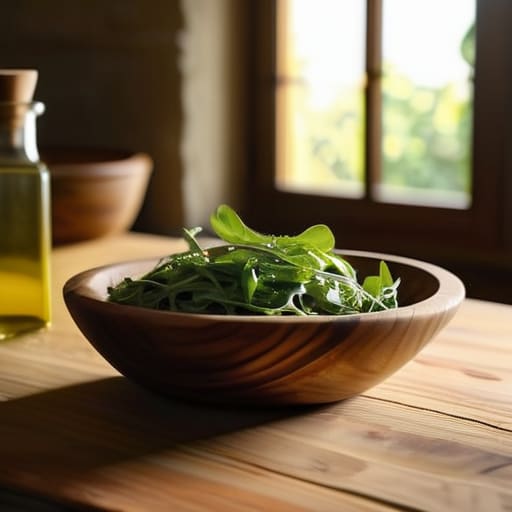
Look, you can try to save a few bucks with the cheap vegetable oil, but you’ll pay for it in flavor. I’ve learned the hard way that a decent bottle of extra virgin olive oil is the difference between a meal that tastes like nothing and one that actually feels like real food. It’s the backbone of everything from simple pasta to a quick salad dressing, and it doesn’t expire if you keep it in a dark cupboard.
The Versatile Grain: Jasmine or Basmati Rice
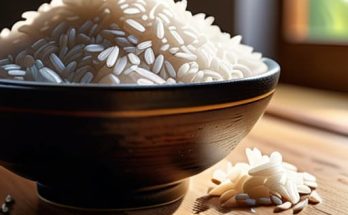
I used to think rice was just a side dish, but once I realized it could be the entire foundation of a meal, my grocery budget finally started making sense. A big bag of jasmine or basmati rice is incredibly cheap per serving and lasts almost forever in the pantry. It’s the ultimate safety net for those nights when you realize you forgot to defrost the chicken or you’re too tired to even think about a recipe.
The Flavor Lifesaver: Low-Sodium Chicken or Vegetable Broth
If you want to level up your cooking without actually spending years in culinary school, get some broth. I keep a few cartons (or even better, bouillon cubes to save space) in my pantry at all times. It adds a depth of flavor to soups, grains, and even braised vegetables that water just can’t touch. It’s the easiest way to make a basic meal taste like you actually put effort into it.
The Protein Shortcut: Canned Beans
Canned beans are the unsung heroes of a functional kitchen. Whether it’s chickpeas, black beans, or cannellini, these little guys are packed with protein and fiber, and they require zero prep work. I grew up seeing my siblings and I survive on whatever was in the pantry, and beans were always the thing that actually kept us full until breakfast.
The Texture King: Dried Pasta
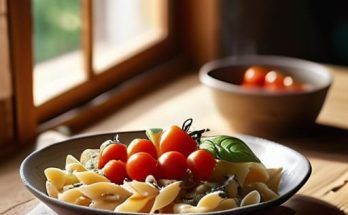
There is no such thing as a “bad” night when you have a box of pasta in the cupboard. It’s arguably the most resilient item you can own. It doesn’t matter if you have a jar of basic marinara, a bit of butter and garlic, or just some red pepper flakes; pasta is the ultimate blank canvas for whatever mood you’re in.
The Bottom Line
Stop trying to build a “Pinterest-perfect” kitchen; focus on buying what you’ll actually eat so you aren’t throwing money away on expired cans.
A solid pantry is your best defense against expensive, last-minute takeout orders when you’re too tired to cook.
Treat your grocery list like a blueprint—keep it simple, keep it functional, and build from there.
The Real Goal of a Pantry
A well-stocked pantry isn’t about having a gourmet kitchen or a perfectly curated aesthetic; it’s about the quiet confidence of knowing that even on your most chaotic Tuesday, you aren’t one bad day away from a hungry, expensive takeout order.
Owen Silas Vance
Don't Let an Empty Pantry Stop You
Look, you don’t need a gourmet kitchen or a massive budget to stay ahead of the game. By keeping those five basics—your grains, oils, canned goods, aromatics, and seasonings—on hand, you’ve already won half the battle. You’re no longer at the mercy of a sudden takeout craving or a $40 grocery run just because you realized you have “nothing to eat.” These items are your safety net. They turn a stressful, empty-fridge moment into a simple, ten-minute meal that actually tastes good. It’s about building a foundation that works for your life, not trying to mimic a cooking show.
At the end of the day, managing your home is just a series of small, repeatable wins. You don’t have to master every recipe in a cookbook to be “good” at this; you just have to show up for yourself when you’re tired or busy. Building a reliable pantry is a way of investing in your future self, ensuring that even on your worst, most exhausted Tuesday, you can still nourish yourself without breaking the bank. Stop waiting for the perfect setup and just start with what you can afford. You’ve got this.
Frequently Asked Questions
How do I know if these items are actually still good to eat, or if I'm just storing expired cans?
Look, I get it. I’ve definitely stared at a can of beans for five minutes wondering if I was risking food poisoning. Here’s the deal: “Best by” dates are usually about quality, not safety. For canned goods, check for bulging lids, deep dents, or rust—if it looks pressurized or weird, toss it. For dry goods, use your nose and eyes. If it smells off or has tiny webs (hello, pantry moths), it’s gone. When in doubt, throw it out.
Is there a way to keep these staples organized without spending a fortune on fancy airtight containers?
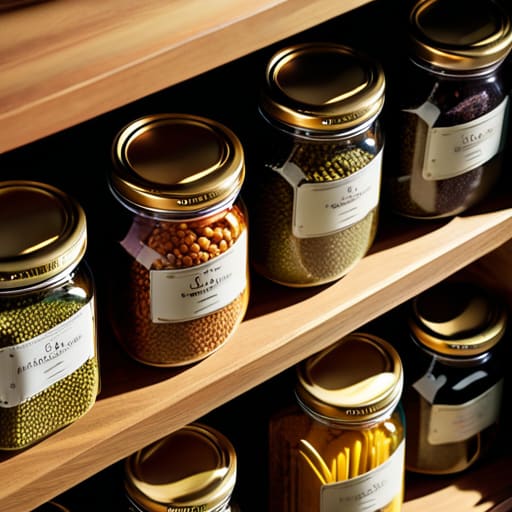
Look, please don’t go out and buy a matching set of expensive glass canisters. That’s just aesthetic gatekeeping, and it’s a waste of money. Honestly? Just use what you have. If you have old mason jars or even sturdy, clean takeout containers, use those. If you’re really tight on space, just keep everything in its original packaging but use binder clips to seal the bags. It’s not “Pinterest perfect,” but it works and keeps your cents where they belong.
If I'm on a really tight budget this month, which of these should I prioritize buying first?
If things are tight, prioritize the grains and the beans. I’m talking rice and dried lentils or canned beans. They are the literal foundation of a meal; they’re cheap, they last forever, and they’ll actually keep you full. You can stretch a single bag of rice across five different meals just by swapping the seasonings. Forget the fancy stuff for now—just get the heavy hitters that turn a few cents into a real dinner.