
I remember sitting at my kitchen table three years ago, staring at a pile of crumpled receipts and a bank app that felt like it was written in a foreign language. I had this sinking feeling in my gut—that specific, hollow dread of knowing you’re losing money but having no clue where it’s actually going. People love to tell you that you need some high-end, subscription-based software or a PhD in finance to get a handle on things, but honestly? That’s just gatekeeping. Learning how to track your spending shouldn’t feel like a second job or a math exam you didn’t study for; it should just be about getting a clear, honest look at your own life.
I’m not here to sell you on a complicated system that you’ll abandon by next Tuesday. Instead, I’m going to show you how I use a few dead-simple tools—from my trusty pocket notebook to basic spreadsheets—to keep my cents in check without losing my mind. We’re going to strip away the fluff and focus on practical, repeatable habits that actually work for real people with busy lives. Let’s stop guessing and start knowing.
Table of Contents
Mastering Financial Awareness Techniques Without the Headache
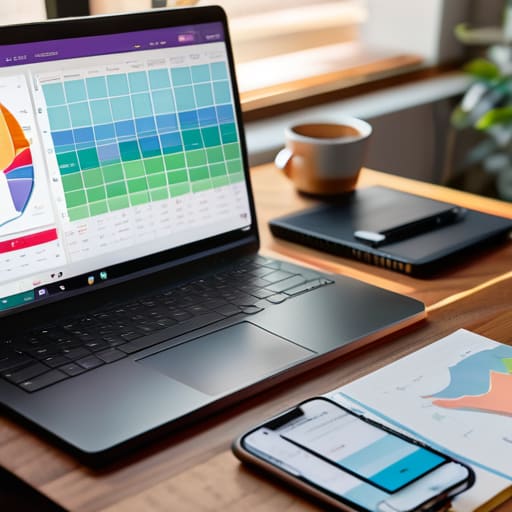
The biggest mistake I see people make is thinking they need a PhD in finance to get started. You don’t. Most of the time, people get paralyzed by choice because they’re looking for the perfect system. Honestly, the best budgeting methods for beginners are the ones you actually stick to. If you’re a tech person, you might love hunting for the best money management apps that sync directly with your bank account to automate the heavy lifting. But if you’re like me—someone who likes to physically see where the cracks are—there is something incredibly grounding about a simple monthly budget spreadsheet template.
The goal isn’t to punish yourself for buying a coffee; it’s about gaining clarity. I used to think I was “good with money” until I realized I was just ignoring the small, repetitive leaks in my accounts. Once you start using different financial awareness techniques, like the “envelope method” or just a weekly check-in, you’ll start seeing those tiny, invisible drains. It’s not about restriction; it’s about intentionality. Once you see the patterns, reducing unnecessary expenses stops feeling like a chore and starts feeling like a strategic win.
Finding the Best Money Management Apps for Your Life
Once you’ve got the mindset down, you need to pick your tools. I’ll be honest: I used to think I needed some high-tech, automated system to stay on top of things, but I realized that the best money management apps are only useful if they actually fit your daily routine. If an app feels like a chore, you’re going to stop using it by week three. Some people swear by fully automated platforms that link directly to your bank accounts, which is great for hands-off tracking. Others, like me, sometimes prefer a bit more manual control to stay mindful of every dollar.
If the apps feel too “black box” or overwhelming, don’t sleep on a simple monthly budget spreadsheet template. There is something incredibly grounding about manually entering your numbers into a sheet; it forces you to actually confront where your money is going. Whether you choose a sleek interface on your phone or a classic Excel setup, the goal is the same: find a way to visualize your cash flow that doesn’t make you want to close your laptop in frustration.
Five Ways to Keep Your Receipts (And Your Sanity)
- Don’t wait for a “finance Sunday” to log your expenses. If you wait until the end of the week, you’re going to forget that $7 coffee or that random convenience store run. I keep my little pocket notebook on me for a reason—if it happens, write it down immediately so it’s done.
- Categorize like a human, not an accountant. You don’t need fifty different sub-folders for “Office Supplies” and “Stationery.” Just group things into broad buckets like Rent, Food, Fun, and Bills. If the categories are too granular, you’ll get burnt out and stop doing it within a week.
- Embrace the “uncomfortable” truth of your subscriptions. We all have them—that streaming service we haven’t touched since 2022 or that gym membership we never use. Go through your bank statement once a month specifically to hunt for these “ghost expenses” and kill them.
- Use the “Cash vs. Digital” rule to stay honest. I find that digital transactions are easy to ignore because they feel invisible, but cash feels real. If you’re struggling with impulse buys, try pulling a set amount of cash for your “fun” spending each week. When the envelope is empty, the spending stops.
- Look for patterns, not just numbers. Tracking isn’t just about seeing that you spent $200 on takeout; it’s about realizing you do it every Tuesday because you’re too tired to cook after work. Once you see the pattern, you can actually fix the problem instead of just feeling guilty about the math.
The Bottom Line
Don’t aim for perfection on day one; just focus on logging every dollar so you actually know where your money is disappearing to.
Choose a tool that fits your actual lifestyle—whether that’s a high-tech app or a beat-up pocket notebook—because the best system is the one you’ll actually use.
Remember that tracking isn’t about restricting your life; it’s about gaining the clarity you need to spend on the things that actually matter to you.
The Reality of the Numbers
Tracking your spending isn’t about restricting your life or doing complex math every night; it’s just about getting honest with yourself so you can stop wondering where your paycheck went and start telling it where to go.
Owen Silas Vance
Stop Guessing and Start Doing
At the end of the day, tracking your spending isn’t about becoming a math whiz or living a life of total deprivation. It’s about choosing the tools—whether that’s a high-tech app or just a scuffed-up notebook—that actually fit into your daily routine without feeling like a second job. We’ve covered how to build awareness, how to pick the right tech, and how to keep the momentum going when life gets messy. The goal isn’t perfection; it’s simply knowing where your money is going so you can stop wondering why your bank account looks the way it does at the end of every month. Just pick one method and stick with it for thirty days.
Look, I know that staring at a spreadsheet can feel overwhelming, especially when you see those little impulse buys staring back at you. But remember that every single receipt you log is a step toward a more stable version of yourself. You aren’t just managing numbers; you are building competence and reclaiming your sense of control. You don’t need a massive inheritance to live a life that feels intentional and secure. You just need to show up, do the work, and trust the process. You’ve got this.
Frequently Asked Questions
I’m already feeling overwhelmed—how much time should I actually be spending on this every week so I don't burn out?
Look, if you’re spending hours every weekend staring at spreadsheets, you’re doing it wrong. That’s a fast track to burnout. I aim for a “15-minute rule”: five minutes every couple of days just to log receipts, and one solid 20-minute block on Sundays to review the week. That’s it. Budgeting should be a maintenance task, like dusting a shelf—quick, regular, and easy to ignore if you make it a massive production.
What do I do if I realize I’ve been spending way more than I thought; do I just start over or try to fix it mid-month?
Look, don’t panic and definitely don’t scrap everything. If you realize you’ve overspent, don’t wait for next month to “start over”—that’s just procrastination in disguise. Instead, do a mid-month pivot. Look at what’s left in your accounts, see where the leaks are, and adjust your spending for the remaining weeks. Think of it like fixing a leak in a pipe; you don’t tear down the whole house, you just patch it and move forward.
Is it better to track every single cent manually, or is that just overkill for someone with a busy schedule?
Honestly? Tracking every single cent manually is a fast track to burnout. I grew up having to watch every dollar, so I get the urge, but if you’re busy, that level of micromanagement isn’t sustainable. It’s overkill. Aim for “directional accuracy” instead. Group your spending into categories and check in weekly. You don’t need to know you spent $4.12 on a coffee; you just need to know your “dining out” budget isn’t blown.