I used to stare at a pile of unwashed, mismatched produce like it was some kind of complex engineering problem I wasn’t qualified to solve. Growing up in a cramped apartment where we had to make every single cent count, I viewed cooking as a chore that required expensive gadgets and a chef’s degree just to avoid a mess. I’d see these polished food influencers making it look like a meditative art form, but let’s be real: most of the time, you’re just hungry and staring at a stubborn butternut squash. Learning how to prep vegetables shouldn’t feel like a high-stakes exam; it’s just a practical skill that keeps you fed without breaking the bank or your spirit.
I’m not here to sell you a $200 knife set or tell you that you need a specialized mandoline for every single meal. My goal is to strip away the intimidation and give you the actual mechanics of getting things done. I’m going to show you the most efficient ways to handle produce so you can stop overthinking and start eating. We’re going to focus on simple, repeatable movements and basic tools that actually work, helping you master the basics so you can manage your kitchen with total confidence.
Table of Contents
Mastering Essential Knife Skills for Cooking Without Fear
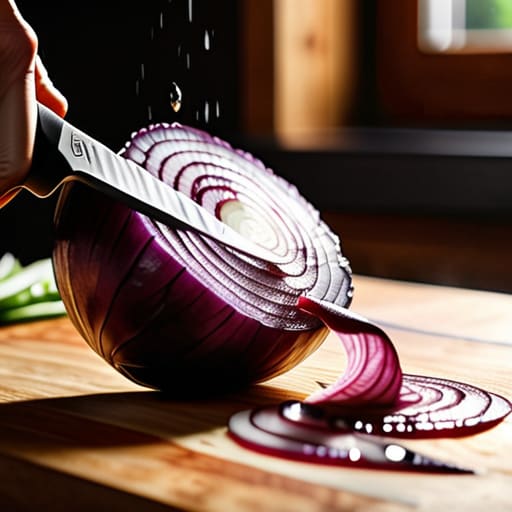
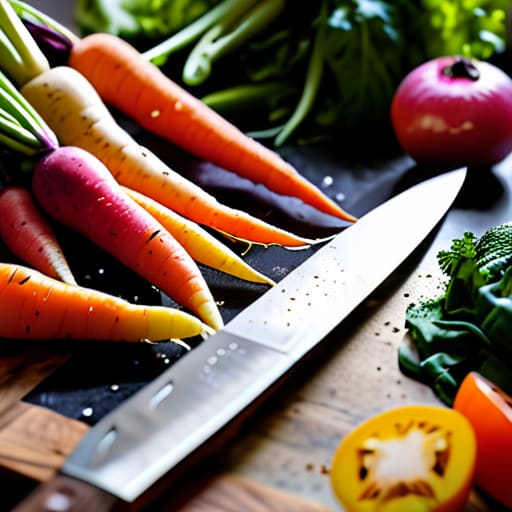
Look, I get it. Staring down a pile of onions with a chef’s knife feels less like “culinary art” and more like a high-stakes game of Operation. But here’s the truth: most kitchen anxiety comes from using the wrong tools or a dull blade. If you want to improve your knife skills for cooking, start by investing in one decent, sharp chef’s knife rather than a cheap set of ten. A sharp knife is actually safer because it bites into the skin of the vegetable instead of sliding off and catching your finger.
When you’re getting started, focus on your grip and your “claw.” Tuck your fingertips inward on the hand holding the food so your knuckles act as a guide for the blade. This keeps your tips tucked away from the edge. It might feel clunky at first, but once you find that rhythm, it becomes muscle memory. Mastering this is the backbone of efficient meal prep for beginners; once you stop fearing the blade, you’ll stop viewing chopping as a chore and start seeing it as just another part of the process.
The Right Kitchen Tools for Veggie Prep Success
Look, you don’t need a professional-grade chef’s kitchen or a set of expensive Japanese steel knives to get this done. I learned early on that a cluttered, overpriced drawer is just a distraction. For real kitchen tools for veggie prep, you really only need three things: a solid chef’s knife, a sturdy cutting board that doesn’t slide around, and a sharp paring knife for the delicate stuff. If your board is wobbling on the counter, just slip a damp paper towel underneath it. It’s a tiny fix, but it keeps you from losing a finger while you’re focused on your chopping rhythm.
Beyond the blade, don’t overlook the importance of a good colander. Knowing how to wash vegetables properly is just as vital as the cutting itself; you want to get rid of the grit before it ends up on your cutting board. Once you’ve prepped your haul, grab some airtight glass containers. Investing in a few decent ones is a game-changer for keeping vegetables fresh throughout the week. It’s not about having the fanciest gear; it’s about having the right tools to make the job efficient so you can actually get to the cooking part.
Five Ways to Stop Dreading the Cutting Board
- Group your prep by vegetable type. Don’t jump from a carrot to a bell pepper to an onion; you’ll spend more time washing your knife and board than actually cooking. Stick to one “family” of veggies, get them all chopped, and move on. It keeps your workspace clear and your brain focused.
- Use the “Mise en Place” mindset, even if you don’t care about the fancy French term. Before you even turn on the stove, have every single piece of prep sitting in a small bowl or pile. There is nothing more stressful than a pan smoking on the burner while you’re still frantically dicing a clove of garlic.
- Don’t be afraid of the scraps. If you’re prepping a lot of onions, celery, or carrots, toss the ends and peels into a gallon bag in your freezer. It’s a zero-cost way to build a massive amount of flavor for homemade stock later. It’s just smart resource management.
- Keep a damp paper towel under your cutting board. If your board slides around while you’re trying to slice something, you’re going to lose a finger, and that’s a bad way to spend a Tuesday. A little friction goes a long way in keeping things safe and steady.
- Prep in batches when you actually have the energy. If you have twenty minutes on a Sunday night and a pile of peppers, chop them all then. Store them in airtight containers so that when you’re exhausted on Wednesday, the “work” is already done and you just have to dump them in the pan.
The Bottom Line: Prep Like You Mean It
Don’t let a messy cutting board slow you down; keep your workspace organized and your knives sharp to make the process feel less like a chore and more like a rhythm.
Focus on consistency over speed—it doesn’t matter how fast you chop if everything is uneven; uniform pieces mean even cooking and better results.
Invest in a few solid, functional tools rather than a kitchen full of gadgets you’ll never use; simplicity is the real key to making cooking a sustainable habit.
## The Mindset Shift
“Prepping veggies isn’t some high-stakes culinary ritual; it’s just a practical way to take control of your kitchen and your time. Once you stop looking at a pile of produce as a chore and start seeing it as a series of small, manageable tasks, the whole process stops being intimidating and just becomes part of the routine.”
Owen Silas Vance
Getting It Done
At the end of the day, prepping vegetables isn’t about achieving some Michelin-star level of precision or having a kitchen full of expensive gadgets. It’s really just about having the right tools, a decent knife, and the willingness to stop overthinking the process. We covered how to handle a blade without losing a finger and why you don’t need a specialized slicer for every single ingredient. Once you get the basics down—the grip, the steady surface, and the consistent rhythm—the intimidation factor just starts to fade. It’s all about building muscle memory so that chopping becomes a mindless part of your routine rather than a stressful chore on your to-do list.
I know that after a long shift, the idea of standing over a cutting board feels like a mountain you don’t want to climb. But I promise you, once you push through that initial friction, it gets easier every single time. Don’t wait for a “perfect” moment or a massive grocery haul to practice; just grab an onion, get your knife ready, and start doing it. Competence isn’t something you’re born with; it’s something you build one carrot at a time. You’ve got this, so get in there and start chopping.
Frequently Asked Questions
How do I keep my chopped veggies from turning into a brown, mushy mess in the fridge?
The secret is managing moisture and air. If you’ve already chopped them, don’t just toss them in a plastic bag; they’ll sweat and turn to mush. For hardy stuff like carrots or peppers, use an airtight glass container with a paper towel tucked at the bottom to soak up excess dampness. For greens, treat them like a salad: wash, dry them completely in a spinner, and store them loosely. Keep it dry, keep it sealed.
Is there a way to prep everything on Sunday without it feeling like a massive, soul-crushing chore?
Look, I get it. I’ve spent too many Sundays staring at a mountain of kale feeling like I’m working a second shift. The trick is to stop trying to cook entire meals and just focus on “component prepping.” Don’t chop everything; just prep the high-effort stuff—like onions, garlic, or heavy root veggies—that usually slows you down mid-week. Keep the leafy greens whole until you need them so they don’t turn into slime. Work smarter, not harder.
What do I do if I realize I've wasted half a head of cabbage just trying to get it into even pieces?
First off, take a breath. I’ve been there—usually staring at a pile of uneven cabbage scraps feeling like I’ve failed at basic survival. You haven’t. Don’t toss it. If the pieces are too wonky for a salad, chop them smaller and throw them into a stir-fry, a soup, or roast them on a sheet pan with some olive oil and salt. Uneven cuts just mean different textures; it’s not a crime, it’s just dinner.