
I remember sitting on the floor of my family’s cramped two-bedroom apartment, staring at a utility bill that felt more like a ransom note than a monthly expense. My parents were experts at making a dollar stretch, but even they struggled when the heat spiked in February. I spent way too much time listening to “experts” suggest expensive smart-home upgrades or high-tech gadgets that cost more than the actual savings they promised. It’s a total scam to suggest you need to remodel your entire life just to figure out how to save on utility bills. Most of that advice is just gatekeeping designed to sell you something you don’t need.
I’m not here to pitch you on solar panels or overpriced automated thermostats. Instead, I’m going to show you the gritty, practical stuff I’ve learned from years of managing tight budgets and fixing my own space. We’re going to focus on the small, manual tweaks—the kind of low-cost, high-impact habits—that actually keep more money in your pocket at the end of the month. No fluff, no hype, just straight-to-the-point steps you can start doing tonight.
Table of Contents
The Smart Thermostat Benefits Youre Missing
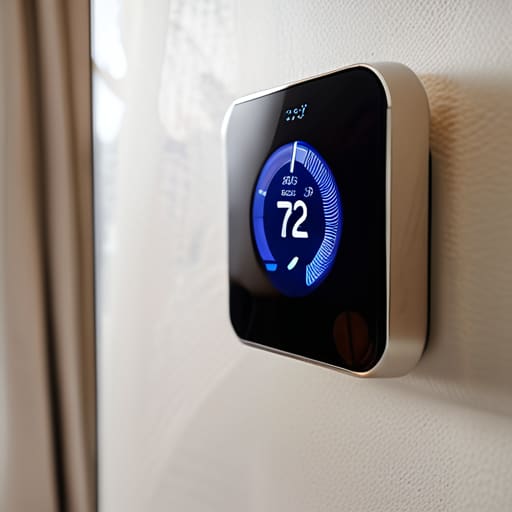
If you’re still manually cranking your thermostat up and down every time you leave for work, you’re essentially throwing money out the window. I used to do the same thing—constantly worrying if I left the AC on too high—until I realized that a smart thermostat is one of those rare energy efficient home improvements that actually pays for itself. These devices learn your schedule and automatically adjust the temperature when you’re sleeping or out of the house, meaning you aren’t paying to heat or cool an empty apartment.
The real magic, though, is the data. Most of these gadgets give you a breakdown of exactly when and why you’re using the most power. It turns what used to be a guessing game into a clear plan for reducing monthly household expenses. Instead of just seeing a massive number on your bill at the end of the month, you can see exactly how much a two-degree shift in your evening settings is actually saving you. It’s about taking the guesswork out of your environment so you can focus on more important things.
Start With an Energy Audit for Homeowners
Before you go out and drop hundreds on fancy new appliances, you need to know where the leaks actually are. I used to think my high bills were just “the cost of living,” but then I realized I was basically throwing money out of my windows. Conducting an energy audit for homeowners isn’t about hiring an expensive professional; it’s about playing detective in your own space. Grab a flashlight and a candle, and start walking through your rooms. If you hold a lit candle near a window frame or door and the flame flickers, you’ve found a draft. That’s literally money escaping your house.
Once you identify those gaps, you can start focusing on targeted energy efficient home improvements that actually move the needle. It might be as simple as swapping out old weatherstripping or adding heavy curtains to block the sun. I’ve found that documenting these small fixes in my notebook helps me track how much they actually impact my monthly spending. You don’t need a massive renovation budget to see results; you just need to stop the waste where it’s happening.
5 Low-Effort Ways to Stop Leaking Cash
- Seal the gaps around your windows and doors. I used to ignore those tiny drafts until I realized they were basically just throwing money out the window. Grab a roll of weatherstripping or some caulk from the hardware store; it’s a cheap, ten-minute fix that keeps the climate you paid for inside your house.
- Quit heating or cooling an empty room. If you’ve got a guest room or a den you rarely use, keep the door shut and the vents closed. There’s no point in wasting energy conditioning air that nobody is actually breathing.
- Wash your clothes in cold water. Most of the energy your washing machine uses goes toward heating the water, not the actual agitation. Switching to cold is a zero-cost habit that adds up significantly over a month of laundry cycles.
- Clean your AC filters every single month. A clogged filter makes your system work twice as hard to pull in air, which spikes your bill and wears down the unit. It’s a dirty job, but it takes two minutes and keeps your electricity usage from creeping up.
- Unplug your “vampire” electronics. Even when they’re turned off, things like coffee makers, game consoles, and chargers pull a tiny bit of power just by being plugged in. If you aren’t using it, pull the plug or use a power strip you can flip off with one click.
The Bottom Line
Don’t wait for a massive renovation; start with small, low-cost fixes like sealing window drafts or switching to LED bulbs to see immediate changes in your monthly statement.
Treat your thermostat like a tool, not a decoration—set a consistent schedule that matches your actual routine so you aren’t heating or cooling an empty apartment.
Keep a paper trail of your usage patterns; tracking your bills in a notebook helps you spot spikes before they turn into expensive surprises.
## Small Changes, Real Savings
“Saving on utilities isn’t about living in the dark or freezing in your own living room; it’s about stoping the invisible leaks in your budget by making a few smart, intentional tweaks to how your home actually breathes.”
Owen Silas Vance
Getting Started Without the Stress
At the end of the day, saving on your utilities isn’t about making massive, expensive renovations or living in a dark, freezing apartment. It’s about the small, intentional shifts—like finally investing in that smart thermostat, running a quick energy audit to find those hidden drafts, or just being more mindful of how we use our appliances. I’ve learned through my own experience with tight budgets that consistency beats intensity every single time. You don’t need to fix everything in one weekend; you just need to start addressing the low-hanging fruit so you can stop seeing those inflated numbers on your monthly statements.
I know “adulting” can feel like a constant uphill battle of managing endless, invisible costs, but don’t let the complexity of it all paralyze you. Managing your home and your money is a skill, and like any skill, it takes a bit of practice to get it right. Take these steps one by one, keep track of your progress in a notebook, and give yourself credit for taking control. You’re building a foundation of competence that will serve you way beyond just your next electric bill. Let’s just stop overcomplicating the process and start making these changes today.
Frequently Asked Questions
I'm renting a small apartment—do these tips even work if I can't make permanent changes to the place?
Honestly, that’s a fair question. I spent years in cramped rentals where I couldn’t even change a light fixture without risking my security deposit. But here’s the thing: you don’t need permission to be smart with your energy. Think of it as “non-permanent optimization.” From using heavy curtains to block sun heat to plugging in smart power strips, these are all reversible. You’re not renovating; you’re just managing your space better.
How long does it actually take to see a difference in my bill after I start making these changes?
Honestly? If you’re making small behavioral shifts—like dialing back the AC or unplugging phantom loads—you’ll see the impact on your next monthly statement. It’s not an overnight miracle, but the math adds up fast. If you’re investing in bigger stuff, like that smart thermostat we talked about, give it two to three billing cycles to really settle in and show you the true ROI. Just keep tracking those receipts; the data doesn’t lie.
Are there any "money-saving" hacks that actually end up costing more in the long run due to broken appliances or higher repairs?
Look, I’ve seen this play out too many times. People try to save a few bucks by skipping the lint trap or letting the fridge coils get caked in dust, and suddenly they’re staring down a $600 repair bill. The same goes for using “cheap” knock-off parts or forcing an appliance to run on a weird, inefficient cycle. If a “hack” involves bypassing a safety feature or ignoring maintenance, it’s not a saving—it’s a debt you haven’t paid yet.