I used to think a “functional kitchen” meant owning a $400 espresso machine and a set of matching marble canisters that looked great on Instagram but were a nightmare to actually clean. Honestly, most of the kitchen tips and tricks you see online are just expensive ways to gatekeep adulthood, designed to make you feel like you’re failing if your spice rack isn’t color-coded. I grew up in a cramped apartment where we didn’t have the luxury of wasted space or wasted money, so I learned early on that efficiency matters more than aesthetics. If a hack requires you to buy a specialized gadget you’ll use once, it isn’t a hack—it’s just more clutter.
I’m not here to sell you on a lifestyle you can’t afford or a level of perfection that doesn’t exist. Instead, I’m going to share the practical, low-cost habits I’ve actually used to keep my own small kitchen running without breaking the bank. We’re going to focus on systems that actually work, from organizing your pantry with cheap bins to mastering prep work that saves you time during a busy work week. Let’s stop overcomplicating the heart of your home and just start making it work for you.
Table of Contents
- Master Knife Skills for Beginners to Save Your Time
- Smart Food Storage Solutions to Protect Your Hard Earned Cents
- Small Habits to Stop Kitchen Chaos Before It Starts
- The Bottom Line: Kitchen Competence Over Perfection
- ## The Real Goal of a Functional Kitchen
- Getting Your Kitchen Under Control
- Frequently Asked Questions
Master Knife Skills for Beginners to Save Your Time
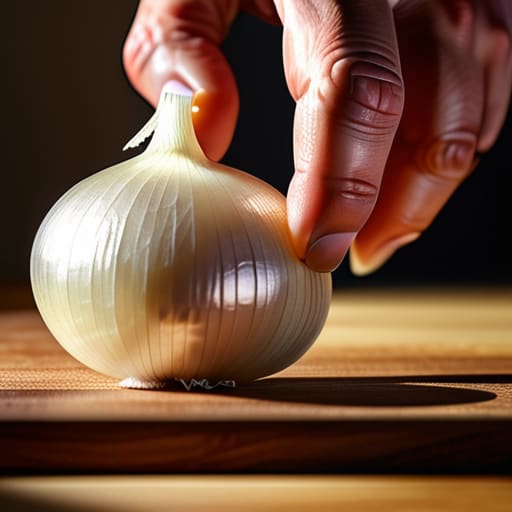
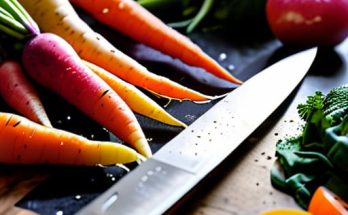
Look, I used to spend forty minutes just chopping an onion, getting frustrated and cutting my fingers in the process. It felt like a chore rather than a way to get fed. But once I invested a little time into learning actual knife skills for beginners, everything changed. You don’t need a set of $500 Japanese steel blades to start; you just need one decent chef’s knife and the right grip. Stop holding the handle like a hammer; instead, pinch the base of the blade between your thumb and index finger. This gives you the control you need to stop hacking at your vegetables and start slicing them with intention.
This is one of those small shifts that drastically improves your meal prep efficiency. When you can dice a potato or mince garlic in seconds instead of minutes, cooking stops feeling like a mountain you have to climb after a long shift. It’s not about being a professional chef; it’s about minimizing the friction between being hungry and eating. Once you master a consistent rhythm, you’ll find you actually look forward to the prep work because it’s become a mindless, steady habit.
Smart Food Storage Solutions to Protect Your Hard Earned Cents
Look, there is nothing more frustrating than opening your fridge to find a bag of wilted, slimy spinach or a container of leftovers that has somehow turned into a science experiment. When you’re living on a budget, throwing away spoiled food is essentially throwing away your hard-earned cash. I learned this the hard way growing up in a cramped apartment; if it wasn’t used immediately, it was gone. To stop this cycle, you need to invest in actual food storage solutions rather than relying on those flimsy plastic grocery bags.
I’m a big fan of glass containers—they don’t stain, they don’t hold onto smells, and they stack perfectly, which is huge for maximizing your limited fridge real estate. If you want to level up your meal prep efficiency, try prepping your ingredients in clear bins so you can actually see what you have at a glance. When you can see your food, you use it. It’s a simple shift in your kitchen organization ideas that stops the “what should I eat?” panic and, more importantly, keeps your grocery bill from spiraling out of control.
Small Habits to Stop Kitchen Chaos Before It Starts
- Prep your ingredients before you even turn on the stove. I used to try and chop onions while the garlic was already sizzling, and it was a disaster. If you do all your washing, chopping, and measuring first—what chefs call mise en place—you’ll stop panicking mid-recipe and actually enjoy the process.
- Stop buying specialized gadgets that only do one thing. You don’t need an avocado slicer or a strawberry huller. A decent chef’s knife, a heavy pan, and a solid spatula will get you 95% of the way there. Save that money for better quality ingredients instead.
- Clean as you go, even if it feels counterintuitive. I know, it’s annoying when you’re hungry, but if you spend two minutes scrubbing a bowl while your pasta boils, you won’t be staring at a mountain of crusty dishes for an hour after you eat. It keeps the workspace manageable and your brain calm.
- Set up a “command center” for your cooking essentials. I keep my most-used oils, salt, and pepper right next to the stove so I’m not trekking across the kitchen every time I need a pinch of seasoning. If you have to walk more than two steps to grab a tool, your layout is working against you.
- Learn to trust your senses over the timer. Every oven and stove is different. Instead of blindly following a recipe’s “10 minutes” rule, look for the golden-brown color, smell when the garlic is fragrant, and listen for the sizzle to change. It’s how you move from just following instructions to actually knowing how to cook.
The Bottom Line: Kitchen Competence Over Perfection
Stop buying specialized gadgets you’ll use once; invest in a few high-quality basics and learn to use them well instead.
Treat your food like your budget—track what you have, use what’s expiring first, and stop letting good ingredients turn into waste.
Efficiency isn’t about being a pro chef; it’s about setting up your space so that cooking feels like a manageable task rather than a chaotic chore.
## The Real Goal of a Functional Kitchen
“A kitchen shouldn’t be a showroom for expensive gadgets you’ll never use; it should be a well-oiled machine that respects your time and your bank account.”
Owen Silas Vance
Getting Your Kitchen Under Control
At the end of the day, a functional kitchen isn’t about having the most expensive gadgets or a marble countertop that looks like a Pinterest board. It’s about the small, repeatable habits that actually make your life easier. We’ve covered how sharpening your knife skills can turn a thirty-minute chore into a ten-minute breeze, and how getting your food storage sorted can stop your hard-earned money from literally rotting in the back of the fridge. When you combine better prep work with smarter storage, you aren’t just cooking; you’re actively managing your time and your budget. It’s about building a system that works for you, rather than you constantly working to fix the chaos.
I know that starting these habits can feel like just another thing on an already overwhelming to-do list, but please don’t feel like you have to do it all tonight. You don’t need a complete kitchen overhaul to see a difference. Just pick one thing—maybe it’s finally organizing those Tupperware lids or spending five minutes honing your blade—and start there. Competence is a muscle, and every time you take control of your space, you’re getting stronger. Stop waiting for the “perfect” setup and just start doing the work. Your future, less-stressed self will definitely thank you for it.
Frequently Asked Questions
I’ve tried using those clear storage bins, but how do I actually organize them so I don't just end up with another cluttered mess in a week?
The problem isn’t the bins; it’s the lack of a system. If you just toss things in, you’re just hiding the mess. First, group by “activity”—put all your baking stuff in one, all your breakfast stuff in another. Second, use labels. Even if it feels extra, it tells your brain exactly where things belong. Lastly, if you haven’t touched an item in a month, it shouldn’t be in a prime bin. Keep it lean.
My knives are getting dull no matter how much I use them—is it actually worth buying a sharpening stone, or should I just get new ones?
Don’t go out and drop a hundred bucks on a new set just yet. That’s a rookie mistake that eats your budget for no reason. If your knives are decent quality, they just need a reset. Honestly, a basic whetstone is worth the investment—it’s a one-time cost that keeps your tools sharp for years. Think of it like maintaining a car; a little upkeep now saves you from buying a whole new engine later.
I’m trying to eat better to save money, but how do I meal prep without spending my entire Sunday stuck in the kitchen?
Stop trying to cook five massive, identical Tupperware meals on Sunday. That’s a recipe for burnout. Instead, try “component prepping.” Roast a big tray of veggies, cook a batch of grains, and prep one protein. During the week, you just mix and match them with different sauces so you aren’t eating the same thing every day. It takes an hour, saves you a ton of money, and actually keeps you sane.