I remember standing in the middle of a high-end nursery three years ago, staring at a $60 variegated Monstera and feeling like a complete fraud. The lighting was perfect, the staff looked like they lived in a botanical garden, and I was just a guy trying to figure out how to not kill a single living thing in my cramped apartment. People make this out to be this expensive, aesthetic lifestyle choice that requires a degree in botany, but that’s a lie. Finding the right houseplants for beginners shouldn’t feel like a high-stakes gamble that drains your bank account and your confidence.
I’m not here to sell you on a “jungle vibe” that requires specialized grow lights and a prayer. Instead, I’m going to give you the straightforward reality of what actually works for people with busy schedules and limited budgets. We’re going to skip the gatekeeping and focus on a few resilient, low-maintenance options that can survive your neglect while still making your space feel alive. My goal is to help you build a little bit of green competence, one uncomplicated step at a time.
Table of Contents
- Choosing Hard to Kill Houseplants That Actually Want to Live
- Low Maintenance Indoor Plants for the Busy and Unprepared
- The Low-Stakes Rules for Keeping Your Greenery Alive
- The Bottom Line: How to Not Mess This Up
- ## The Reality of the Green Thumb
- Stop Overthinking and Just Start
- Frequently Asked Questions
Choosing Hard to Kill Houseplants That Actually Want to Live
Look, I’ve seen too many people walk into a nursery, get blinded by a lush Monstera, and then watch it die a slow death on their bookshelf three weeks later. We’ve all been there. The trick isn’t having a “green thumb”—it’s just picking the right species for your actual lifestyle. If you’re someone who forgets to water things for ten days at a time, you need hard to kill houseplants that thrive on a bit of neglect rather than constant coddling.
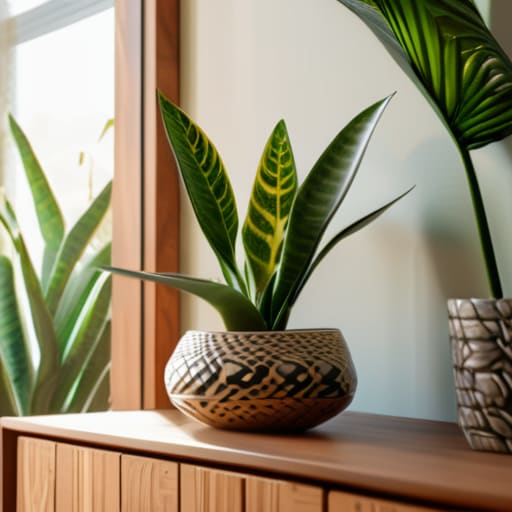
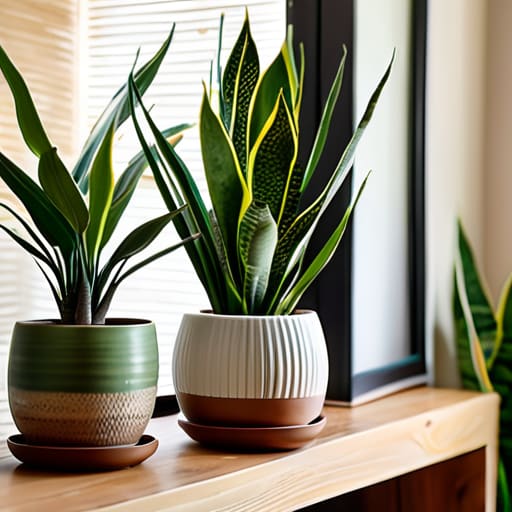
If your apartment feels more like a cave than a sunroom, don’t sweat it. You don’t need to move to a tropical climate to get some life in your space; you just need to hunt for the best plants for low light. I’m talking about things like Snake Plants or ZZ Plants. These guys are basically the tanks of the botanical world. They don’t demand a perfect lighting setup or a strict schedule, making them the ultimate beginner friendly greenery for anyone just trying to make a rental feel less like a concrete box.
Low Maintenance Indoor Plants for the Busy and Unprepared
If you’re working long hours or just prone to forgetting that plants are living things, you need low maintenance indoor plants that don’t demand a daily check-in. I used to think I had a “black thumb” until I realized I was just picking the wrong species for my lifestyle. Start with a ZZ plant; it thrives on neglect and can handle almost any corner of your apartment. If you’ve got a spot that barely gets any sun, a Pothos is your best friend. These are some of the best plants for low light environments, and they’ll keep growing even if you forget about them for a week or two.
The real secret to success here isn’t fancy gadgets or expensive fertilizers; it’s about matching the plant to your actual habits. Don’t buy a high-maintenance fern if you can barely remember to water your own coffee. Stick to hard to kill houseplants like Snake Plants to build your confidence first. Once you see them thriving despite your busy schedule, you’ll realize that indoor gardening for novices is less about magic and more about choosing the right roommates.
The Low-Stakes Rules for Keeping Your Greenery Alive
- Stop treating your plants like pets that need constant attention. Most beginners kill their plants with kindness—specifically, by overwatering. If you’re hovering over a pot every morning with a watering can, you’re probably doing too much. Stick to the finger test: poke the soil, and if it’s still damp, walk away.
- Match the plant to your actual light, not your Pinterest board. If your apartment is a cave with one north-facing window, don’t buy a succulent that needs direct desert sun. You’ll just end up with a dead plant and a sense of guilt. Check your light levels first, then buy the plant that fits that vibe.
- Don’t get fancy with the soil right away. You don’t need expensive, artisanal potting mixes to get started. Just grab a decent, well-draining all-purpose indoor soil. The goal here is stability, not a botanical experiment.
- Buy the right size pot, but make sure it actually has drainage holes. I’ve seen people buy these beautiful, seamless ceramic pots that look great on a shelf but have zero way for excess water to escape. Without drainage, you’re basically creating a swamp at the bottom of the pot, which leads to root rot.
- Accept that you might lose a leaf (or a whole plant) along the way. I’ve definitely killed a few things while I was learning the ropes. It’s not a failure; it’s just data. If a plant dies, figure out why, toss it, and try something slightly more resilient next time.
The Bottom Line: How to Not Mess This Up
Stop hunting for “perfect” plants; just pick one that thrives in your actual living conditions, whether that’s a dark corner or a sunny windowsill.
Consistency beats intensity—it’s better to check your soil once a week than to drown your plant in a massive watering session once a month.
Don’t let a dead leaf ruin your confidence; plants are living things that fail sometimes, so just learn from it and try again.
## The Reality of the Green Thumb
“Forget the idea that you need a natural gift to keep things alive; you don’t need a green thumb, you just need a decent routine and a plant that isn’t looking for a fight.”
Owen Silas Vance
Stop Overthinking and Just Start
Look, we’ve covered the essentials: pick a plant that matches your actual lifestyle—not your idealized version of it—and stick to the hardy stuff like snake plants or pothos that won’t die the second you forget about them for a weekend. The biggest mistake I see people make is treating plant care like a high-stakes science experiment. It’s not. It’s just about consistency over perfection. You don’t need a specialized UV light setup or a degree in botany; you just need to observe how your space feels and adjust your watering accordingly. If you can manage a budget or a project timeline, you can definitely manage a few pots of greenery.
At the end of the day, your home should be a place that feels lived-in and intentional, not a museum of expensive, dying decor. Don’t let the fear of a little brown leaf keep you from trying. Even if you kill a few along the way, that’s just part of the learning curve. Every seasoned plant parent started with a single, struggling succulent that they barely kept alive. The goal isn’t to have a perfect indoor jungle overnight; it’s to build the habit of caring for something and seeing your space grow with you. So, grab a bag of soil, find a cheap pot, and just get started.
Frequently Asked Questions
How much do I actually need to spend on pots and soil before I'm "ready"?
Look, you don’t need a designer ceramic collection or a bag of “premium organic” soil to get started. Honestly, don’t even touch the fancy stuff yet. Grab some basic terracotta pots—they’re cheap and actually help the roots breathe—and a single bag of decent all-purpose potting mix. That’s it. If you spend more than twenty bucks on supplies before you’ve even kept one plant alive, you’re overcomplicating it. Just start.
I don't have a lot of natural light in my apartment; am I totally screwed?
Not even close. Honestly, low light is just a different set of rules, not a death sentence. Most people think they need a sun-drenched loft to grow anything, but that’s just how you end up wasting money on plants that wither in a week. Just pivot your strategy. Look for “low-light tolerant” varieties like Pothos or ZZ plants. They’ve adapted to thrive in the shadows, so they’ll handle your dim corners just fine.
How can I tell if I'm actually overwatering them or if the plant is just being dramatic?
Look, plants are dramatic, but they aren’t lying to you. If the leaves are yellowing and feeling mushy or limp, you’re drowning them—that’s overwatering. If they’re crispy, brown, and curling at the edges, they’re thirsty. My rule of thumb? Stick your finger an inch into the soil. If it’s damp, walk away. If it’s bone dry, grab the watering can. Don’t guess; just check the dirt.