
I still remember the smell of my first solo apartment—a damp, heavy scent that hit me the second I unlocked the door after a long week at the office. I had spent my entire paycheck on a “vintage” dresser that looked great, only to find a fuzzy, black patch creeping up the back of it because I hadn’t realized how much moisture was trapped in that corner. It was a gut punch, both financially and emotionally. Most people will tell you that you need some high-tech, expensive air purification system to solve the problem, but honestly? That’s just expensive noise. Learning how to prevent mold isn’t about buying more gadgets; it’s about understanding how air and water move through the space you live in.
I’m not here to sell you a miracle spray or a subscription to a cleaning service. I want to give you the actual, practical steps I’ve learned from years of fixing my own mistakes and managing tight budgets. We’re going to talk about low-cost, high-impact habits—the kind of stuff you can do with a screwdriver, a towel, and a little bit of foresight. My goal is to help you protect your belongings and your lungs without draining your bank account. Let’s get to work.
Table of Contents
Spotting the Signs of Mold Growth in Homes Early
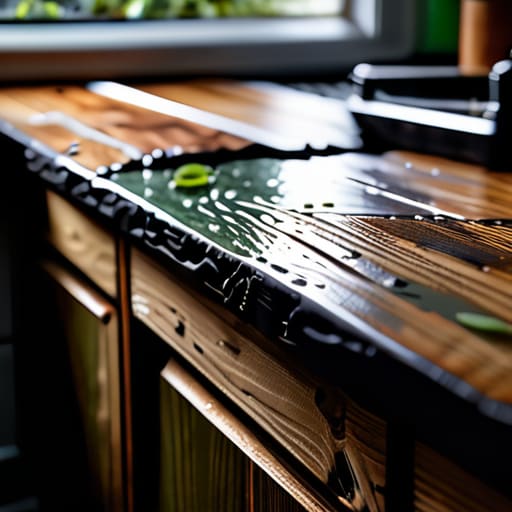
You don’t always need a microscope to know something is off; usually, your senses will tell you before your eyes do. If you walk into a room and notice a heavy, musty smell that just won’t go away, that’s a massive red flag. It’s often the first of many signs of mold growth in homes, especially in spots where air doesn’t circulate well, like the back of a closet or under the sink. I’ve learned from my own cramped apartment that if a corner of the room feels unusually damp or smells like a basement, you shouldn’t just spray some air freshener and hope for the best.
Keep a close eye on your walls and ceilings for any discoloration. It might start as a tiny, fuzzy dark spot or a yellowish stain that looks like a water leak. Check your window sills too—if you see constant moisture or pooling water, you’re likely dealing with issues related to preventing condensation on windows. Catching these small patches early is the difference between a quick wipe-down with some vinegar and having to call in a professional to tear out your drywall.
Your No Nonsense Mold Prevention Checklist
Look, I don’t have the time or the budget to be scrubbing black spots off my walls every weekend, and neither do you. The trick isn’t just reacting when things get gross; it’s about building a system so you never have to deal with it in the first place. I keep a mental mold prevention checklist that focuses on one thing: moisture management. If you can keep your space dry, you’ve already won half the battle.
First, start with your bathroom. It’s the highest-risk zone in any apartment. I make it a non-negotiable rule to run the exhaust fan during every shower and for at least twenty minutes afterward—this is the easiest way to handle reducing moisture in bathrooms without spending a dime. If you notice your windows are constantly fogged up, you’re likely dealing with preventing condensation on windows issues, which is a massive red flag. If your place feels perpetually damp, investing in a decent machine is worth it; the dehumidifier benefits for mold control are massive because they pull the heavy air out before it can settle into your drywall or baseboards.
Five Low-Effort Ways to Keep Moisture Under Control
- Keep your air moving. If you’ve got a room that feels heavy or stays damp, don’t just let the air sit there; crack a window or keep a small fan running to prevent that stagnant moisture from settling into your walls.
- Invest in a decent dehumidifier. I learned this the hard way in my first apartment—if your basement or bathroom feels like a sauna, a dehumidifier is a non-negotiable tool to keep the humidity levels from hitting that “mold-friendly” sweet spot.
- Fix those leaks immediately. I know it’s tempting to ignore a slow drip under the sink because you don’t want to deal with the headache, but a $5 washer today is a lot cheaper than a professional mold remediation crew next month.
- Clean your bathroom after every shower. You don’t need a full deep clean every time, but just running a squeegee over the glass or wiping down the tiles helps stop that buildup of soap scum and moisture that mold loves to feed on.
- Give your furniture some breathing room. When you’re setting up your space, don’t shove your dresser or sofa right against a cold exterior wall; leaving a little gap allows for airflow so moisture doesn’t get trapped behind your stuff.
The Bottom Line on Keeping Your Space Dry
Don’t wait for a fuzzy patch to appear on your wall; stay proactive with humidity levels and ventilation so you aren’t stuck facing an expensive remediation bill later.
Consistency beats intensity—spending five minutes checking your seals and running a dehumidifier is way easier than trying to scrub mold out of a drywall cavity.
Treat mold prevention like any other home maintenance task: catch the small leaks and damp spots early, and they’ll never turn into a full-blown project.
The Cost of Ignoring the Small Stuff
“Mold doesn’t care how busy your schedule is; it just looks for the small gaps you’ve left behind. Preventing it isn’t about a massive deep-clean once a year—it’s about the five minutes you spend checking a leaky pipe or opening a window today so you aren’t staring down a thousand-dollar repair bill next month.”
Owen Silas Vance
Keeping Your Space Under Control
Look, preventing mold isn’t about having a pristine, showroom-ready house; it’s about staying ahead of the moisture before it becomes a problem you can’t afford to fix. If you can manage your humidity, keep your vents clear, and actually pay attention to those damp spots under the sink, you’ve already won half the battle. It really comes down to a few small, consistent habits—like checking your seals after a heavy rain or running that dehumidifier when the air feels heavy—rather than some massive, expensive overhaul. Just remember that proactive maintenance is always cheaper than a professional remediation crew.
At the end of the day, I know that “adulting” can feel like an endless cycle of things breaking or needing attention, but managing your home is just another skill you’re building. You don’t need to be an expert in building science to take care of the space you live in; you just need to be intentional. Don’t let a little bit of mildew make you feel like you’re failing at life. Grab your multi-tool, check your drains, and take it one step at a time. Once you get the hang of these basics, you’ll realize that competence is built in the small, boring moments of keeping things running smoothly.
Frequently Asked Questions
I found a small patch of mold behind my dresser; do I need to call a professional or can I scrub this off myself?
If it’s just a small patch on a hard surface, you can likely handle it yourself. Grab some white vinegar or a dedicated mold cleaner, a scrub brush, and a mask—don’t breathe that stuff in. But if the mold is deep inside drywall, spreading rapidly, or if you start smelling that musty scent everywhere, stop. That’s when it’s time to call a pro before it turns into a massive, expensive headache.
Are there specific types of cheap dehumidifiers that actually work, or am I wasting my money on something that won't move the needle?
Look, I’ve been down the rabbit hole of cheap gadgets, and here’s the truth: don’t bother with those tiny, passive moisture absorbers that sit in a corner. They’re basically expensive salt. If you’re serious about moving the needle, you need a small electric compressor dehumidifier. Even a budget-friendly one from a big-box store will actually pull liters of water out of the air. It’s a bit more upfront, but it’s the only way to actually protect your space.
How often should I actually be checking under my sinks and behind my appliances to make sure nothing is brewing?
Honestly, don’t wait for a smell to tell you something’s wrong. I try to do a quick “sweep” once a month—just a five-minute check with a flashlight. Pull the trash can out, peek under the kitchen sink, and check around the base of the fridge. If you notice a tiny drip or a damp spot, fix it immediately. It’s way cheaper to tighten a pipe now than to replace a cabinet later.