I still remember the summer I spent in that cramped two-bedroom rental with my siblings, where the sound of something scuttling behind the baseboards at 2:00 AM was basically our nightly soundtrack. I used to think I needed to drop a fortune on those high-tech, neon-colored chemical sprays or call in an expensive exterminator just to feel like I was actually doing something. But honestly? Most of that advice is just expensive noise designed to make you feel like you’re failing at basic maintenance. If you’re looking for a magic wand, you won’t find it here, but if you want to learn how to prevent pests at home without draining your bank account, you’re in the right place.
I’m not here to sell you on “miracle cures” or complicated systems that take hours to set up. My goal is to give you the straightforward, practical steps that actually work—the kind of stuff I learned the hard way while trying to keep my own small space livable on a budget. We’re going to focus on sealing the gaps, managing your mess, and taking control of your environment. Let’s stop overcomplicating it and just get to work.
Table of Contents
Sealing Cracks and Crevices to Lock Them Out
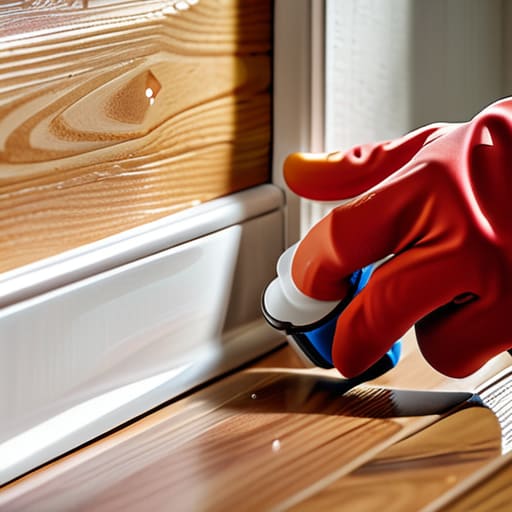
Think of your apartment like a fortress, but right now, it probably has more gates left open than you realize. Most people don’t realize that even a gap as thin as a credit card is an invitation for a cockroach or an ant colony to move in. I spent a weekend last month going around my place with a tube of silicone caulk and a scraper, and honestly, it’s one of those tasks that feels tedious until you see the results. You need to focus on sealing cracks and crevices around baseboards, where pipes enter the walls under the sink, and even those tiny gaps around window frames.
Don’t just look at the obvious holes; get down on your hands and knees and look for the hidden entries. If you see a gap where the floor meets the wall, plug it. If you notice a crack in the backsplash behind your stove, seal it up. This kind of pest proofing kitchen and pantry areas is the most effective way to stop an infestation before it even starts. It’s much easier to block a door than it is to evict a thousand uninvited guests later.
Eliminating Standing Water Before They Move in
If you want to stop an infestation before it starts, you have to realize that bugs aren’t just looking for crumbs; they’re looking for a drink. Most people focus on cleaning the floors, but they overlook the slow leaks under the sink or the condensation building up behind the fridge. Eliminating standing water is one of the most effective ways to make your place unappealing to uninvited guests. If there’s a damp spot in your cabinet or a tray under your potted plants that’s constantly wet, you’re basically putting out a neon sign that says “Welcome Home.”
I’ve learned the hard way that even a tiny drip from a faucet can sustain a colony of pests for weeks. Take ten minutes this weekend to check your plumbing and wipe down your bathroom surfaces so they stay dry. It’s not about being obsessive; it’s about removing the resources they need to survive. When you keep your environment dry and your leaks patched, you’re practicing a form of proactive pest proofing that works way better than any expensive spray you’ll find at the store.
Five Ways to Stop a Bug Invasion Before It Starts
- Keep your pantry tight. Don’t leave half-open bags of flour or cereal sitting on the shelf; transfer them to airtight glass or plastic containers so ants and weevils don’t see them as an all-you-can-eat buffet.
- Manage your trash like a pro. It’s not just about taking the bag out; make sure your bin has a tight-fitting lid and that you’re rinsing out those sticky sauce jars before they hit the trash.
- Stop the “food trail” habit. I know it’s tempting to leave a few crumbs on the counter after making a quick sandwich, but those tiny scraps are basically a GPS signal for pests. Wipe them down immediately.
- Declutter the dark corners. Cardboard boxes and stacks of old mail are prime real estate for cockroaches and silverfish. If you aren’t using it, don’t let it sit in a pile where bugs can nest.
- Check your perimeter. Take a walk around your place and look for any gaps under doors or around window frames; a simple weatherstrip or a bit of caulk can be the difference between a peaceful home and a pest problem.
The Bottom Line
Think of your home like a fortress; if there’s a gap big enough for a credit card to slide into, a pest can find its way through.
Moisture is an open invitation, so keep your drains clear and your counters dry to deny them the resources they need to survive.
Don’t wait for an infestation to start acting; small, proactive fixes now save you a massive headache (and a lot of money) later.
## The Mindset Shift
“Pest control isn’t about an expensive monthly service or a chemical warfare campaign; it’s just about being a good gatekeeper for your own space. If you stop making your home look like a welcoming hotel for bugs, they’ll stop treating it like one.”
Owen Silas Vance
Taking Control of Your Space
At the end of the day, keeping pests at bay isn’t about hiring an expensive exterminator or running up a massive bill for specialized chemicals. It really comes down to the basics we’ve talked about: sealing up those entry points so they can’t sneak in, and making sure you aren’t accidentally providing them with a five-star buffet of standing water and food scraps. If you stay on top of your cracks, your drains, and your kitchen counters, you’re already doing more than most people. It’s about consistent, small habits that prevent a minor nuisance from turning into a full-blown crisis.
I know that looking at a list of chores like “sealing crevices” can feel like just another thing on the endless to-do list of being an adult. But honestly? There is a certain kind of peace that comes with knowing your home is actually yours and not a shared space with ants or roaches. Don’t let the small stuff overwhelm you. Just grab your multi-tool, check your seals, and take it one step at a time. You don’t need a perfect house; you just need a functional, controlled environment where you can actually relax. You’ve got this.
Frequently Asked Questions
What should I do if I already see a few bugs, but I don't want to go overboard with heavy chemicals?
Look, seeing a few bugs is stressful, but you don’t need to turn your apartment into a hazmat zone. Start with the basics: grab some diatomaceous earth—it’s a natural powder that’s safe for pets—and sprinkle it along baseboards. Next, set some simple sticky traps to see where they’re actually coming from. It’s about being strategic, not aggressive. Clean up any crumbs, dump the trash, and keep things dry. Control the environment first.
Are there specific types of food storage containers that actually work, or is a standard pantry fine?
Look, a standard pantry is fine if you’re organized, but if you want to actually stop pests, you need to get strategic. Cardboard boxes and flimsy plastic bags are basically open invitations for ants and weevils. I swear by airtight glass or high-quality BPA-free plastic containers with silicone seals. Transfer your flour, pasta, and cereal into these. It keeps things fresh longer and, more importantly, it creates a physical barrier that bugs can’t breach.
How often do I really need to check my seals and drains to make sure everything is still tight?
I’d say aim for a quick walkthrough once a month. It doesn’t have to be a whole production—just a five-minute scan while you’re doing something else. Check under the sinks for any new dampness or gaps in the caulk, and make sure your drains are flowing freely. If you’ve had a big seasonal shift or a heavy storm, do an extra check. It’s way easier to spot a tiny gap now than a full-blown infestation later.