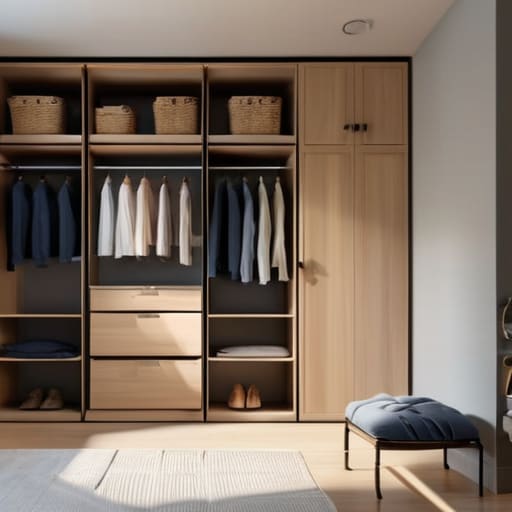
I spent my childhood in a cramped two-bedroom apartment where “storage space” was a luxury we couldn’t afford, so I learned early on that you don’t need a custom-built walk-in or a thousand-dollar shelving system to fix a mess. Most of the advice you see online about how to organize a closet feels like it was written by someone who has never actually lived in a real space; they want you to buy matching velvet hangers and aesthetic acrylic bins that cost more than your grocery budget. Honestly, that’s just performative organization, and it doesn’t actually solve the problem of not being able to find your favorite black sweater on a Tuesday morning.
I’m not here to sell you a lifestyle or a specific brand of overpriced organizers. Instead, I’m going to show you how to use what you already have to create a system that actually works for your daily routine. We’re going to focus on practical sorting, maximizing every inch of vertical space, and building a setup that stays organized even when life gets chaotic. This is about functional competence, not a Pinterest board. Let’s get to work.
Table of Contents
Mastering Decluttering Clothes Tips Without the Emotional Drama
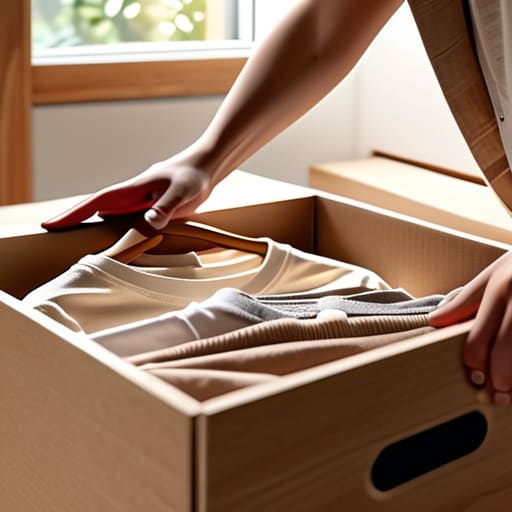
The hardest part of this process isn’t the physical lifting; it’s the mental tug-of-war. We all have that one shirt from a concert three years ago or the jeans that we promise we’ll fit into by next month. But here’s the truth: holding onto things you don’t actually wear is just creating visual noise that stresses you out every morning. To make this easier, try the “one-year rule.” If you haven’t reached for it in twelve months, it’s time to let it go. Don’t treat it like a breakup; treat it like clearing out old data to make room for something better.
Once you’ve stripped the closet down to the essentials, you can actually start thinking about maximizing vertical space. Instead of just shoving everything onto a single rod, look up. Using higher shelves for things you don’t need daily is a game changer. This is where seasonal clothing storage becomes your best friend—tucking away heavy parkas in the summer frees up immediate breathing room. It’s not about having a perfect, Pinterest-worthy wardrobe; it’s about making sure everything you own actually serves a purpose in your current life.
Small Closet Organization Ideas That Actually Work for Real Life
Once you’ve cleared out the excess, the real challenge is making the remaining pieces fit without feeling like you’re playing a high-stakes game of Tetris. When you’re working with limited square footage, you have to stop looking at the floor and start looking at the walls. Maximizing vertical space is the single most effective way to gain breathing room; think about adding extra tiers of hanging rods or installing floating shelves above your main hanging area. If you have a bit of a budget, investing in sturdy closet shelving systems can transform a chaotic pile of sweaters into a streamlined display that actually makes sense.
Don’t overlook the “dead zones” like the very top shelf or the space behind the door. This is where I usually tuck away my seasonal clothing storage—using slim, labeled bins to keep my heavy parkas out of sight during the summer. For the stuff you actually use daily, grab some inexpensive closet divider accessories to keep your stacks of jeans or t-shirts from toppling over. It’s not about having a Pinterest-perfect wardrobe; it’s about creating a system where you can actually find your favorite shirt in under thirty seconds.
Five Low-Cost Tactics to Keep the Chaos at Bay
- Stop using those mismatched plastic hangers. It sounds small, but switching to a uniform set of slim velvet hangers saves a massive amount of lateral space and keeps your clothes from sliding off onto the floor.
- Use vertical space like it’s your job. If you have room above your hanging rod, grab some stackable shelf bins. It’s the best way to utilize that dead air for things like extra sweaters or seasonal gear.
- Group your clothes by category, not just color. I like to group by type—all long-sleeve shirts together, then short-sleeves, then trousers. It makes finding an outfit in the dark much less of a headache.
- Invest in clear storage bins for your top shelves. If you can’t see what’s inside, you’ll forget you own it, and you’ll end up buying a duplicate. Visibility is the enemy of waste.
- Implement a “one-in, one-out” rule. Every time you bring a new piece of clothing home, something else has to go. It keeps your closet from bloating and forces you to be intentional about what you actually wear.
The Bottom Line: Keep It Simple and Functional
Stop trying to recreate a Pinterest showroom; focus on making sure you can actually see your clothes and reach them without a struggle.
Invest in sturdy, uniform hangers rather than a bunch of mismatched plastic ones—it’s a small expense that makes a massive difference in how much space you actually have.
Treat your closet as a living system that needs regular maintenance, not a one-time project you finish and forget about.
The Mindset Shift
“A closet isn’t a museum for the person you hope to become one day; it’s a tool for the person you are right now. If it doesn’t fit your life or your budget today, it’s just taking up valuable real estate.”
Owen Silas Vance
Getting It Done
Look, at the end of the day, organizing a closet isn’t about achieving some Pinterest-perfect museum display that you can’t actually live in. It’s about the practical stuff we covered: being ruthless during the decluttering phase so you aren’t fighting your own clothes every morning, and using smart, small-space hacks like slim hangers or shelf dividers to make every inch count. Whether you’re working with a massive walk-in or a cramped corner in a studio apartment, the goal is the same—to stop the chaos before it starts. If you’ve implemented even half of these steps, you’ve already won the battle against the clutter.
I know it can feel overwhelming when you’re staring at a mountain of fabric and unorganized bins, but don’t let the scale of the task paralyze you. You don’t need to finish the whole thing in one Saturday afternoon; just pick one drawer or one hanging rod and start where you are. Competence is a muscle, and every time you take control of your space, you’re proving to yourself that you can handle the bigger, messier parts of adulthood, too. Take a breath, grab your multi-tool or a simple trash bag, and just start doing it.
Frequently Asked Questions
How do I organize my closet if I don't have a huge budget for expensive storage bins and custom shelving?
Look, you don’t need a custom closet system to make things functional. I learned that growing up in a cramped apartment: if you can’t buy it, improvise it. Grab some sturdy shoeboxes to act as drawer dividers for socks, or use tension rods to create extra hanging space for scarves and belts. Even old baskets from the thrift store work perfectly. Focus on visibility and accessibility, not how much you spent on the containers.
What’s the best way to handle seasonal clothes so they don't just end up in a messy pile at the bottom of the closet?
The trick is to stop treating your closet like a permanent storage unit for every season. If you aren’t wearing it this month, it shouldn’t be taking up prime real estate. Grab some vacuum-seal bags or slim, stackable bins and move the off-season stuff to under the bed or a high shelf. It keeps your daily rotation breathable and prevents that dreaded “pile of shame” from forming at the bottom.
I have way too many shoes and not enough floor space—how can I store them without making the closet look cluttered?
Look, I’ve been there—tripping over sneakers every time I try to get dressed. If you’re out of floor space, stop trying to stack them in piles. Get some over-the-door clear pocket organizers or adhesive wall racks. It gets the shoes off the ground and uses that “dead” vertical space. If you have a little more budget, a slim, tiered shoe rack tucked into a corner works wonders. Just get them up, and you’re done.