I used to think that learning how to meal plan meant I needed to spend my entire Sunday afternoon prepping twenty identical Tupperware containers of steamed broccoli and dry chicken breast, like some sort of high-performance athlete on a strict regimen. Honestly? That sounds miserable. Between my job in urban planning and trying to keep my small apartment from falling apart, I don’t have the bandwidth for those aesthetic, Pinterest-perfect meal prep Sundays that require a professional kitchen and three hours of cleaning. Most of the advice out there makes it sound like a second full-time job, but it shouldn’t be about perfection; it should be about not wasting money on takeout because you’re too tired to think.
I’m not here to sell you on a lifestyle overhaul or a complicated system of color-coded bins. My goal is to show you a practical, stripped-back way to manage your kitchen that actually fits into a real, busy life. I’ll walk you through the exact, no-nonsense steps I use to keep my grocery bills low and my stress levels even lower. We’re going to focus on simple systems that work, so you can stop overthinking dinner and just get back to living.
Table of Contents
Mastering Meal Prep for Beginners Without the Stress
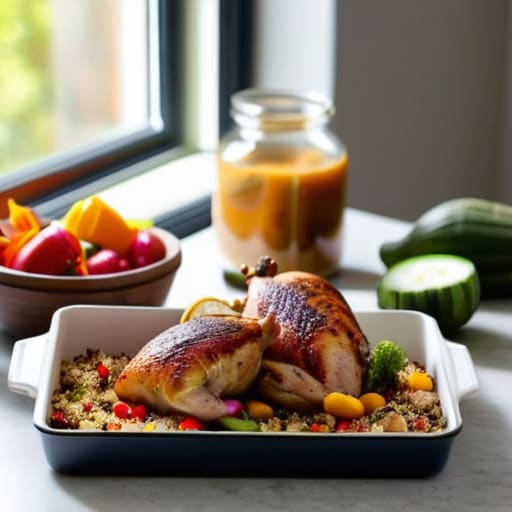
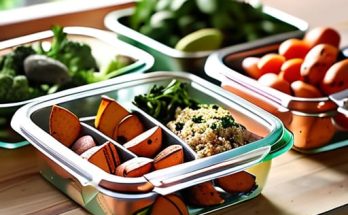
The biggest mistake I see people make is trying to turn their Sunday into a marathon cooking competition. You don’t need to spend six hours in the kitchen prepping twenty identical Tupperware containers of steamed broccoli. That’s a one-way ticket to burnout. Instead, focus on batch cooking techniques that actually work for a busy schedule. I’m talking about prepping “components” rather than full meals—roasting a big tray of seasoned chicken, boiling a pot of quinoa, and chopping a mountain of versatile veggies. When you have these building blocks ready in the fridge, you can assemble a different bowl or wrap in five minutes without feeling like you’re eating leftovers from a cafeteria.
This approach also makes budget friendly meal planning much easier because you’re actually using what you buy. If you buy a large bag of spinach, use half for a sautéed side and the rest for a smoothie. It’s about being strategic with your inventory so nothing ends up as a science experiment in the back of your crisper drawer. Keep it simple, keep it flexible, and don’t aim for perfection on your first try.
Budget Friendly Meal Planning to Protect Your Cents
Look, I grew up in a house where we didn’t just “shop” for groceries; we hunted for value. If you walk into a supermarket without a plan, you aren’t just buying food—you’re donating money to the impulse-buy aisles. The secret to budget friendly meal planning isn’t about deprivation or eating nothing but canned beans; it’s about inventory control. Before you even touch a grocery app, check your pantry and freezer. I always keep a running list of what I actually have so I don’t accidentally buy a third jar of cumin or a bag of rice I don’t need.
Once you know your stock, lean heavily into grocery list organization. Group your items by aisle so you aren’t zig-zagging through the store, which is usually when those expensive, unnecessary snacks find their way into your cart. I also swear by batch cooking techniques like roasting a massive tray of seasonal veggies or cooking a giant pot of grains on Sunday. It’s much cheaper to buy bulk staples and transform them throughout the week than it is to buy pre-cut, “convenient” portions that charge you a premium for a little bit of chopping.
5 Ways to Keep Your Meal Plan From Falling Apart
- Shop your own pantry first. Before you even touch a grocery app, open your cabinets and see what’s actually hiding in the back. If you have a jar of marinara and a box of pasta, that’s a meal you don’t have to pay for.
- Don’t try to be a gourmet chef on a Tuesday. Pick two nights for “real” cooking and leave the rest for assembly-style meals—think wraps, salads, or even high-quality frozen stuff. If your plan is too ambitious, you’ll abandon it by Wednesday.
- Build around a “base” ingredient. If you buy a big pack of chicken or a massive bag of rice, use it in three different ways throughout the week. It cuts down on decision fatigue and stops food waste in its tracks.
- Embrace the “Cook Once, Eat Twice” rule. Never cook just one serving of anything. If you’re making chili or roasted veggies, make double. Having a pre-made component in the fridge is the difference between a healthy lunch and a $15 takeout order.
- Keep a “standard” list of go-to meals. You don’t need a new recipe every week. Find five meals you know how to make with your eyes closed and rotate them. Reliability beats variety when you’re tired and hungry.
The Bottom Line on Eating Better for Less
Stop aiming for culinary perfection and focus on consistency; a simple, repeatable plan is better than a complex one you’ll abandon by Wednesday.
Treat your grocery list like a blueprint—if it isn’t written down based on what you actually need, you’re just burning money on impulse buys.
Use what you have before you buy what you want; checking your pantry first is the easiest way to slash your food budget without feeling deprived.
## The Real Goal of Planning
“Meal planning isn’t about becoming a gourmet chef or spending your entire Sunday in the kitchen; it’s just about making sure your future self isn’t staring blankly into a fridge at 7:00 PM with zero energy and an empty wallet.”
Owen Silas Vance
The Bottom Line
Look, meal planning isn’t about achieving some Pinterest-perfect kitchen aesthetic or spending your entire Sunday in a flour-covered frenzy. It’s really just about the basics we’ve covered: mapping out a rough schedule so you aren’t staring blankly at the fridge at 6:00 PM, prepping a few versatile staples to save time, and keeping a tight grip on your grocery list to protect your hard-earned cents. If you can manage a budget and keep a small apartment from falling apart, you can definitely manage a weekly menu. It’s all about building systems that actually work for your real life, not a life you see in a curated social media feed.
Don’t feel like you have to overhaul your entire kitchen overnight. Start small—maybe just plan three dinners this week instead of seven. Competence is a muscle, and you’re going to get better at this the more you do it. The goal isn’t perfection; it’s about removing the decision fatigue that drains your energy after a long day at work. You’re taking control of your time and your money, one meal at a time. So, grab your notebook, pick a few recipes, and just start doing it. You’ve got this.
Frequently Asked Questions
How do I keep my food from getting soggy or gross by Thursday if I prep everything on Sunday?
The secret is separating your textures. Don’t toss everything in one container on Sunday; that’s a recipe for mush. Keep your “wet” stuff—sauces, dressings, or cooked veggies—in separate small containers from your “dry” stuff like grains or proteins. Also, let everything cool completely before you lid the container. If you trap steam inside, you’re basically creating a sauna for your food, and that’s exactly how you get soggy leftovers.
I don't have a ton of extra fridge space—how can I meal plan without turning my kitchen into a storage unit?
I get it—I grew up in a cramped apartment where every inch of fridge space was a premium. If you try to meal prep like a fitness influencer, you’ll end up with a mountain of Tupperware and zero room for milk. Instead, focus on “component prepping.” Instead of full meals, prep versatile ingredients—like a batch of roasted veggies or one protein—that you can mix and match daily. It keeps your footprint small and your options high.
What do I do when a recipe I planned for sounds good, but I end up hating it halfway through the week?
Look, it happens. You think you want spicy Thai curry on Wednesday, but by Tuesday night, the thought of it makes you want to gag. Don’t force yourself to eat it just because you spent the money; that’s how food waste starts. Pivot. If you have the ingredients, see if you can repurpose them into something else—like turning those veggies into a quick stir-fry or a soup. If not, just call it a loss, pivot your plan, and move on.