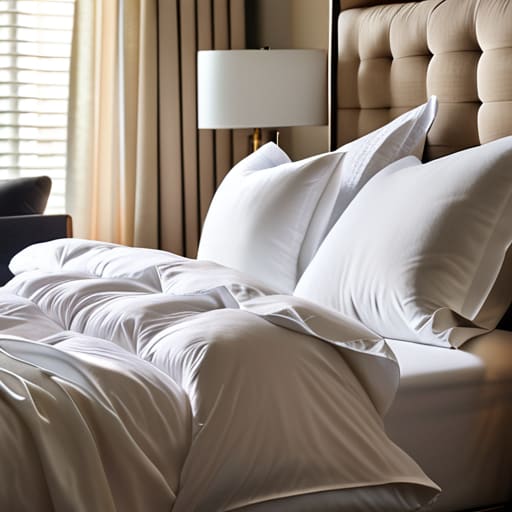
I spent most of my childhood in a cramped apartment where “luxury” meant the sheets didn’t have holes in them, so seeing those $500 designer bedding ads on my feed always makes me roll my eyes. Most of those influencers are selling you a lie—they want you to believe that knowing how to make your bed look luxurious requires a massive credit limit and a professional housekeeper. Honestly? It’s mostly just clever staging and a bit of friction. You don’t need a boutique hotel budget to stop your bedroom from looking like a disorganized dorm room; you just need to understand how weight and texture actually work together.
I’m not here to sell you on high-end thread counts or overpriced silk pillowcases that you’ll be too afraid to actually sleep on. Instead, I’m going to show you how to use what you already have—or what you can grab for cheap at a thrift store—to build a bed that looks intentional and high-end. We’re going to focus on practical layering and smart proportions so you can get that hotel-grade feeling without the gatekeeping. Let’s just get into it.
Table of Contents
Mastering High Thread Count Sheets and Premium Bedding Textures
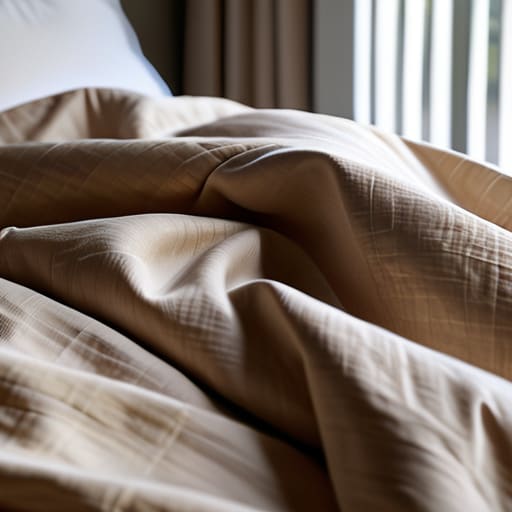
First off, let’s kill the myth that you need to spend a month’s rent on a single set of linens. When you’re hunting for high thread count sheets, don’t get caught up in the marketing fluff. A massive number doesn’t always mean better quality; sometimes it just means the fabric is thinner and less breathable. I’ve learned the hard way that a high-quality percale or a soft linen blend will do more for your sleep—and your room’s vibe—than a cheap, overly-processed cotton set. Look for material integrity over a flashy label.
Once you’ve got the base layer sorted, it’s all about how you play with premium bedding textures. This is where the “hotel look” actually happens. Don’t just lay everything flat; you want depth. I like to mix a crisp cotton sheet with a slightly heavier, textured coverlet or a chunky knit throw at the foot of the bed. It breaks up the visual monotony and makes the whole setup look intentional rather than just “thrown together.” If you want that effortless, high-end feel, focus on the contrast between smooth and tactile surfaces.
The Simple Secret to Hotel Style Bed Making
Here’s the thing: most people think you need a massive budget to get that crisp, five-star feeling, but it’s actually more about the geometry than the price tag. The real trick to hotel style bed making isn’t about buying a gold-plated mattress; it’s about how you handle the tension and the layers. When I’m working on a project or coming home after a long day at the office, I want my space to feel intentional. You achieve that by tucking your sheets tight—I’m talking “hospital corners” tight—so there’s no messy bunching under the covers.
Once you’ve got a smooth base, you need to focus on volume. This is where luxury duvet styling comes into play. Don’t just pull the duvet up to the pillows; fold the top third back toward the foot of the bed. This creates that inviting, layered look that makes you actually want to dive in. It exposes your sheets and adds depth, making the whole setup look curated rather than just thrown together. It’s a small, five-minute habit that completely changes the energy of your room.
Five Low-Stakes Ways to Elevate Your Setup
- Stop neglecting your pillows. Don’t just slap two flat ones against the headboard; use a mix of sizes and firmness levels. Put your sleeping pillows in the back and layer a couple of larger shams or decorative cushions in front to create actual depth.
- Master the “karate chop.” It sounds extra, but if you have feather or down-alternative inserts, give them a quick chop in the center after fluffing. It breaks up that stiff, artificial look and makes the bed look lived-in but intentional.
- Invest in a heavy throw blanket. You don’t need a designer label; just find something with a decent weight and texture—think chunky knit or a heavy linen. Drape it messily across the foot of the bed to hide any wrinkles in your bottom sheet.
- Mind the overhang. A bed looks cheap when the duvet is too small and you can see the mattress frame peeking out from the sides. If you’re shopping on a budget, spend the extra twenty bucks on a King-sized duvet even if you only have a Queen bed. The extra drape does all the heavy lifting.
- Use a steamer, not an iron. I don’t have the patience for an ironing board every morning, and honestly, you shouldn’t either. If your duvet looks like a crumpled paper bag, just hang it up or hit it with a handheld steamer for two minutes. Smooth lines make everything look more expensive.
The Bottom Line
Don’t get caught up in the marketing hype around thread counts; focus on layering different textures like a linen duvet over cotton sheets to get that rich, multidimensional look.
Invest in a heavy, high-quality duvet insert—it’s the single most effective way to get that cloud-like, expensive feel without needing a designer budget.
Stop aiming for perfection and just focus on volume; tucking in your flat sheet and fluffing your pillows creates the structure that makes a bed look intentional rather than messy.
The Real Secret to a High-End Bed
“You don’t need a designer budget to make a bed look intentional; you just need to stop treating your duvet like an afterthought and start treating it like the centerpiece of the room.”
Owen Silas Vance
Making It Your Own
At the end of the day, making your bed look high-end isn’t about buying every expensive linen set you see on a targeted Instagram ad. It’s about the fundamentals: investing in a few solid, textured pieces, mastering that simple hotel-style tuck, and layering with intention rather than just piling things on. You don’t need a massive budget or a professional housekeeper to create a space that feels intentional. Once you get the hang of managing your textures and your proportions, you’ll realize that luxury is actually just a byproduct of being organized.
I know that after a long shift, the last thing you want to do is perform a choreographed routine with your duvet. But I promise you, taking those extra two minutes to smooth out the wrinkles and fluff the pillows makes a massive difference in how you feel when you walk into your room at night. This isn’t about achieving some unattainable Pinterest aesthetic; it’s about claiming your space and proving to yourself that you can curate a life that feels good. Stop waiting for a “better” apartment or a bigger paycheck to start living well. Just grab the corners, tuck them in, and start where you are.
Frequently Asked Questions
Do I actually need to buy a massive, expensive duvet, or can I just make my current one look better?
Look, you don’t need to drop a paycheck on a new duvet. I’ve spent way too many weekends trying to make thrifted finds look high-end to tell you otherwise. If your current duvet looks flat or sad, just get a larger duvet cover—one size up actually helps it look loftier—or add a textured throw at the foot of the bed. It’s about volume and layers, not the price tag.
How do I stop my sheets from looking like a wrinkled mess every single morning?
Look, I get it. You spend all this time styling the bed only to wake up in a crumpled heap. Honestly? Stop fighting a losing battle with perfection. If you want to minimize the mess, switch to linen or a cotton-linen blend—they’re designed to look better with a bit of lived-in texture. Also, try the “hospital corner” trick on your bottom sheet to keep it taut. If it’s a total disaster, just shake it out and smooth it with your hands before you head out. Real life isn’t a showroom.
Is it worth spending the extra money on high-end pillows, or are there cheaper ways to get that "cloud-like" feel?
Look, I get the temptation to drop a paycheck on designer pillows, but you don’t need to. High-end brands often charge for the name, not just the loft. If you want that cloud-like feel on a budget, buy high-quality down alternative inserts and pair them with a down pillow protector. It traps the air and keeps things fluffy. Save your money for the actual case—a soft, brushed cotton cover does most of the heavy lifting anyway.