I used to think that a decent midday meal required either an hour of meal prepping on a Sunday or a twenty-dollar hit to my bank account at the deli down the street. Between my junior coordinator role and trying to keep my apartment from falling apart, I often found myself staring blankly into a fridge full of random ingredients, eventually giving up and settling for a bag of chips. We’ve been conditioned to think that eating well is a luxury of time we just don’t have, but finding reliable quick lunch ideas shouldn’t feel like a second job. It’s about breaking the cycle of expensive takeout and mid-afternoon energy crashes.
In this post, I’m stripping away the fluff and sharing five of my go-to, no-nonsense options that actually work for a busy schedule. These aren’t fancy, gourmet recipes that require a culinary degree; they are practical, budget-friendly solutions designed for real life. I’ll show you how to assemble meals that are fast, filling, and won’t leave you feeling like you wasted your entire break. Let’s get into it.
Table of Contents
The "Everything" Grain Bowl
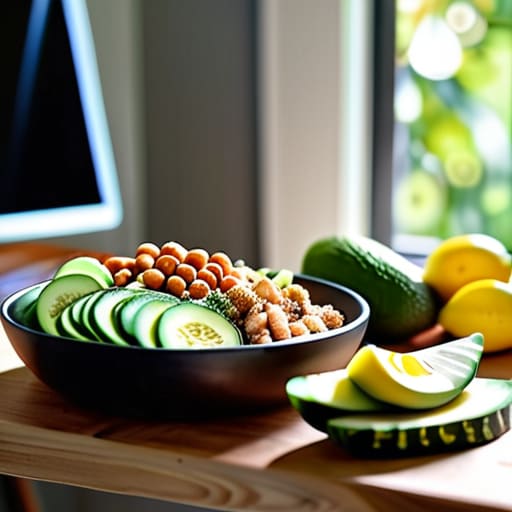
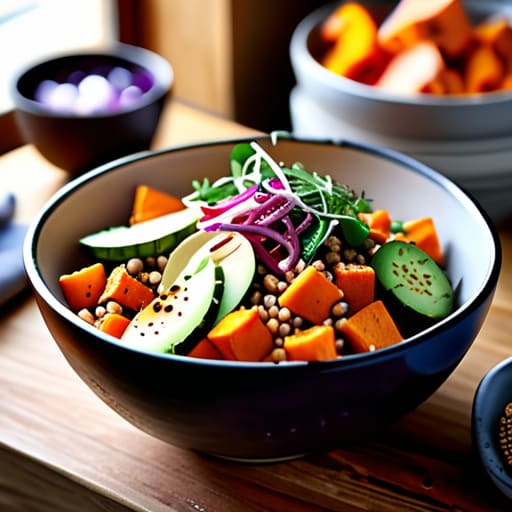
When I’m staring down a heavy afternoon of project coordination, I need something that actually keeps me full without the post-lunch slump. The trick is to stop looking for a specific recipe and just follow a modular formula. Grab a base of whatever grain you have on hand—quinoa, farro, or even that pre-cooked rice pouch from the grocery store—and pile on some canned chickpeas or leftover protein.
The Elevated Adult Lunchable
Let’s be honest: sometimes you don’t have the mental bandwidth to “cook” anything at all. In those moments, I lean on what I call the elevated lunchable. Forget the processed crackers and plastic-wrapped cheese slices from your childhood; I’m talking about a curated plate of real food. Think sliced deli turkey, a handful of almonds, some sharp cheddar, and an apple or some grapes.
The Five-Minute Pantry Wrap
Wraps are the ultimate tool for anyone living in a small space with limited kitchen gear. If you have a tortilla and a jar of something, you have a meal. I usually go for a spread of pesto or hummus, add some canned tuna or shredded rotisserie chicken, and toss in a handful of spinach. It’s fast, efficient, and portable if you need to eat while running an errand.
Loaded Savory Oats
We usually think of oatmeal as a sweet breakfast thing, but treating it as a savory base is a total game-changer for lunch. I started doing this when I realized I had a surplus of oats and no fresh veggies in the fridge. You just cook the oats with water or broth—instead of milk and sugar—and top them with a fried egg, some soy sauce, and maybe some scallions or avocado.
The Cold Pasta Salad Hack
If you happen to be cooking dinner the night before, never underestimate the power of leftover pasta. I always make a little extra rotini or penne because it transforms into a perfect cold lunch the next day. Just toss the cold noodles with a bit of vinaigrette, some halved cherry tomatoes, and whatever cheese you have left over.
The Bottom Line
Stop treating lunch like a culinary project; the goal is fuel and efficiency, not a five-star experience.
Keep a rotation of versatile staples in your pantry so you aren’t staring blankly at the fridge every day at noon.
Investing ten minutes in prep today saves you thirty minutes of decision fatigue and extra spending later this week.
The Lunchtime Mindset
“A good lunch isn’t about a perfect aesthetic or a gourmet recipe; it’s about fuel that doesn’t break your budget or your schedule. Stop treating midday meals like a chore and start seeing them as a simple way to take care of yourself so you can actually get things done.”
Owen Silas Vance
Stop Stressing the Midday Meal
At the end of the day, lunch doesn’t need to be a Pinterest-worthy masterpiece or a thirty-minute production. Whether you’re throwing together a quick wrap, leaning on leftovers from last night’s dinner, or assembling a simple grain bowl, the goal is the same: fuel your body without draining your bank account or your sanity. You don’t need a gourmet kitchen or a massive grocery list to eat well during a hectic workday. Just focus on having a few versatile staples on hand and a strategy that works for your specific schedule. Once you realize that simplicity is actually a superpower, you’ll stop viewing lunch as a chore and start seeing it as a quick way to reset.
I know how it feels when the workday piles up and the last thing you want to do is figure out what to eat. It’s easy to fall into the trap of expensive takeout or, worse, skipping the meal entirely and crashing by 3:00 PM. But building this little bit of daily competence is how you take control of your time and your budget. You don’t have to get it perfect every single time; you just have to show up for yourself. Grab your multi-tool, check your fridge, and just start doing it. You’ve got this.
Frequently Asked Questions
How do I keep these meals from getting soggy if I'm packing them for work in advance?
The “soggy salad” struggle is real, and it’s usually a moisture management issue. My rule of thumb: keep the wet stuff away from the dry stuff. If you’re prepping bowls, put your dressing or juicy veggies (like tomatoes) at the very bottom, then layer your grains and proteins, and keep the greens at the top. If you can, pack your dressing in a tiny separate container. It takes an extra ten seconds, but it’s worth it.
What are some cheap, pantry-stable proteins I can keep on hand to make these even faster?
Look, if you want to speed things up without draining your bank account, you need to stock your pantry with the basics. I always keep canned chickpeas, lentils, and tuna on hand—they’re cheap, shelf-stable, and require zero prep. Grab some peanut butter for quick protein boosts, too. These aren’t fancy, but they’re reliable. Having these on hand means you’re never more than five minutes away from a meal that actually keeps you full.
Are there ways to scale these ideas up if I'm meal prepping for the whole week instead of just one day?
Absolutely. Scaling up is actually where you save the most time and money. Instead of cooking one wrap, roast two trays of veggies and a big batch of protein on Sunday. Store them in separate containers so nothing gets soggy. It’s basically just modular cooking—you’re prepping the components, not the finished meal. This way, you aren’t stuck eating the exact same thing every day, but the heavy lifting is already done.