I used to think that cleaning meant buying a dozen different color-coded sprays and spending my entire Saturday scrubbing baseboards with a toothbrush just to feel like an “adult.” Honestly, that’s a scam designed to drain your wallet and your weekend. I grew up in a cramped apartment where we didn’t have the luxury of specialized vacuums or expensive lifestyle hacks; we just had to get the job done so we could actually live our lives. If you’re looking for a way to learn how to clean faster without turning your home into a showroom or your bank account into a zero, you’re in the right place.
I’m not here to give you a list of aesthetic chores that look good on camera but take five hours to execute. Instead, I’m going to show you the low-maintenance systems I use to keep my space functional and my sanity intact. We’re going to focus on high-impact movements and stripping away the fluff so you can master the art of efficiency. My promise is simple: no gatekeeping, no expensive gear, just straightforward tactics that actually work for people with real lives and limited time.
Table of Contents
Mastering Speed Cleaning Tools for Immediate Results
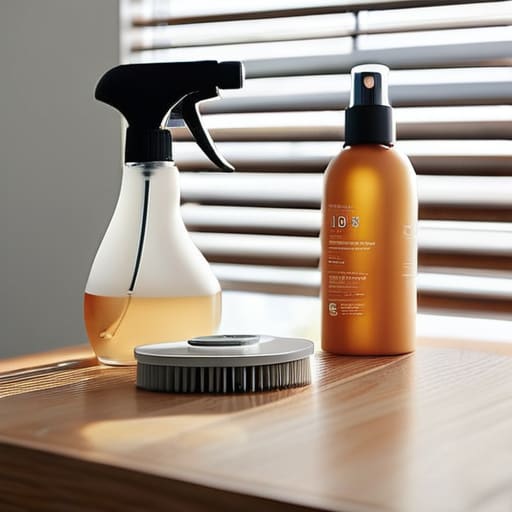
Look, you don’t need a professional-grade cleaning closet or a dozen specialized chemicals to make a dent in the mess. In fact, having too much gear usually just gets in your way. I’ve learned through trial and error—and a few failed attempts at fixing things in my childhood apartment—that the best speed cleaning tools are the ones you can actually grab and use without a mental breakdown. Stick to the basics: a high-quality microfiber cloth, a solid multi-surface spray, and a decent vacuum. If you have to spend ten minutes hunting for the right brush, you’ve already lost the battle.
The real secret to cleaning productivity hacks isn’t about buying more stuff; it’s about how you organize what you already own. I keep a small caddy under the sink so I can carry my supplies from room to room in one trip. It sounds small, but it stops that annoying habit of wandering back to the kitchen every time you realize you forgot the glass cleaner. When you streamline your kit, you stop thinking about the process and just start moving.
Cleaning Productivity Hacks That Actually Save Your Time
The biggest mistake I see people make is treating cleaning like a marathon when it’s actually a series of sprints. If you wait until the entire apartment is a disaster to start, you’ve already lost. Instead, I swear by decluttering for efficiency before you even touch a spray bottle. You can’t actually scrub a surface if it’s buried under mail, half-empty coffee mugs, and random cords. Clear the decks first; it turns a chaotic hour of moving stuff around into a focused twenty minutes of actual cleaning.
Another thing that changed the game for me was implementing a minimalist cleaning routine that relies on “micro-tasks.” Instead of dedicating your entire Saturday to deep cleaning, try the “one-room, ten-minute” rule. While your coffee is brewing or you’re waiting for a laundry cycle to finish, tackle one specific area—like the bathroom sink or the kitchen counters. These small cleaning productivity hacks prevent the grime from building up to a level that requires a full-blown weekend takeover. It’s about staying ahead of the mess so it never feels overwhelming in the first place.
The "Do It Once" Rules for Staying Ahead of the Mess
- Stop the “reset” cycle by cleaning as you go. If I’m making coffee, I’m rinsing the mug and wiping the counter immediately after. It takes ten seconds now, but it saves me a thirty-minute scrubbing session later when the grime actually sets in.
- Use the “one-touch” rule for clutter. If you pick something up, don’t put it down on a random surface—put it exactly where it belongs. Moving an object twice is just wasting energy you could be using elsewhere.
- Batch your tasks by zone, not by chore. Don’t jump from vacuuming the living room to scrubbing a toilet in the bathroom. Stay in one room, finish everything that needs doing there, and then move on. It keeps your brain from constantly switching gears.
- Keep a “go-bag” of supplies in every major room. I keep a small spray bottle and a microfiber cloth in the bathroom and one under the kitchen sink. If you have to trek across the apartment to find the Windex, you’re going to lose your momentum and probably end up scrolling on your phone instead.
- Set a timer for fifteen minutes and treat it like a sprint. Most of the time, we procrastinate because the task feels infinite. When you know there’s an end point, it’s a lot easier to just dive in and move fast.
The Bottom Line: Stop Aiming for Perfection
Forget the “deep clean” mindset when you’re short on time; focus on high-impact zones like counters and floors to get the most visual win for your effort.
Invest in a few solid, versatile tools—like a good microfiber cloth and a multi-surface spray—so you aren’t wasting ten minutes hunting for the right chemical.
Build momentum by setting a timer; it’s easier to stay focused when you’re racing a clock rather than staring at an endless to-do list.
The Mindset Shift
“Cleaning isn’t about achieving some untouched showroom aesthetic; it’s about maintaining a functional space so you can actually live your life instead of just managing your mess.”
Owen Silas Vance
Stop Chasing Perfection and Just Start
Look, at the end of the day, cleaning faster isn’t about turning your apartment into a sterile showroom; it’s about having the right tools and a system that doesn’t drain your battery. We talked about streamlining your kit so you aren’t hunting for a sponge mid-task, and more importantly, we looked at those productivity hacks that stop you from getting distracted by a single dusty shelf. If you can master the basics—the right tools, a solid routine, and the discipline to avoid the “deep clean” trap when you’re just trying to tidy up—you’ll find you have way more time for the things that actually matter. It’s about working smarter, not harder, so you can stop feeling like a slave to your chores.
I know it feels overwhelming when the mess starts to pile up, but remember that competence is a muscle. You don’t need to be a professional cleaner to have a space that feels functional and calm. Don’t let the “perfect” version of a clean home stop you from making progress with the one you actually live in. Just grab your multi-tool, set a timer, and get moving. You’ll realize pretty quickly that the hardest part is usually just deciding to start. Once you do, the rest is just mechanics.
Frequently Asked Questions
How do I keep my place from getting messy again the second I finish cleaning?
The secret isn’t a deep clean; it’s about closing the loop. I call it “point-of-use” living. If you use it, put it back exactly where it lives immediately. Don’t “put it down,” put it away. I also swear by the two-minute rule: if a task takes less than 120 seconds—like hanging up a coat or rinsing a bowl—do it right then. Stop treating tidying like a weekend project and start treating it like a habit.
Is it actually worth buying specialized cleaning products, or can I just stick to the basics?
Look, unless you’re dealing with a specific, deep-set stain on a vintage velvet chair, you can skip the specialty aisles. Most of those “miracle” sprays are just overpriced water with a fancy scent. Stick to the basics: an all-purpose cleaner, some dish soap, white vinegar, and maybe a decent degreaser for the kitchen. Save your money for things that actually matter—like better tools or a decent meal. Efficiency isn’t about having more stuff; it’s about having the right stuff.
How do I handle cleaning when I’m feeling completely burnt out and unmotivated?
Look, I get it. Some days, even picking up a sock feels like a marathon. When I’m hit with that total burnout, I stop trying to “clean” and just aim for “functional.” Forget the deep scrub. Pick one tiny, high-impact zone—like just clearing the kitchen counter or grabbing the trash—and set a timer for ten minutes. If you stop when it beeps, you still won. Lower the bar until you can actually clear it.