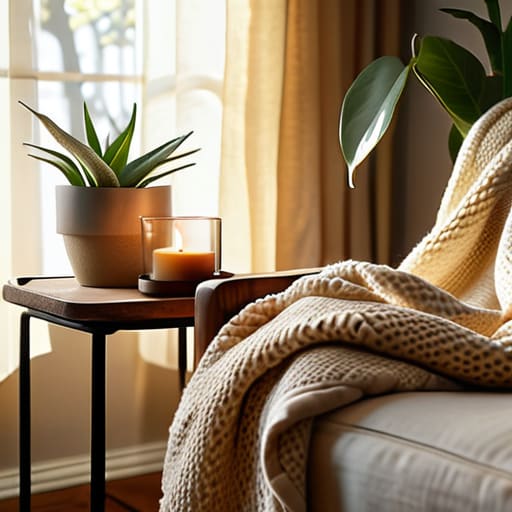
I spent most of my childhood in a cramped two-bedroom apartment where “decorating” meant moving a stack of textbooks so someone could sit down. Back then, I realized pretty quickly that you don’t need a massive budget or a showroom aesthetic to actually feel settled. There is this massive, exhausting myth on social media that how to make your home cozy requires a complete overhaul of your furniture or a shopping spree at some overpriced boutique. Honestly? That’s just gatekeeping. You don’t need a Pinterest-perfect living room to find comfort; you just need to stop letting the aesthetic influencers tell you that your space isn’t good enough yet.
I’m not here to sell you on expensive candles or minimalist lifestyles that feel more like a museum than a home. Instead, I want to show you how to use what you already have—and maybe a few thrifted finds—to build a space that actually supports your life. I’m going to walk you through the practical, low-cost shifts in lighting, texture, and layout that make a real difference. We’re going to strip away the fluff and focus on the small, intentional moves that turn a house into a sanctuary.
Table of Contents
Mastering Warm Lighting for Living Rooms Without Breaking the Bank
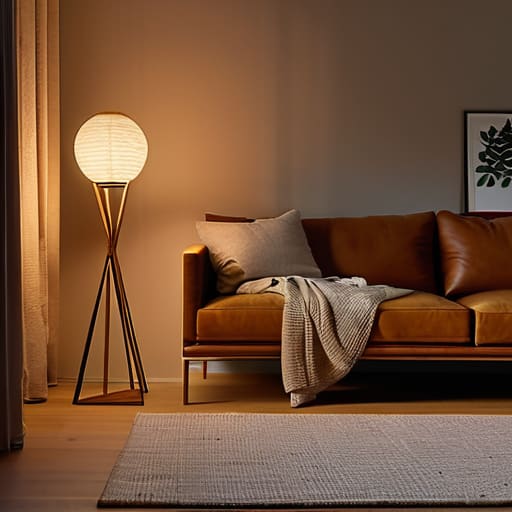
The biggest mistake I see people make is relying on that one aggressive, soul-sucking overhead light. It’s the fastest way to kill any vibe. If you want to master warm lighting for living rooms without spending a fortune, you need to stop thinking about illumination and start thinking about layers. I’m talking about the “triangle method”: place three small light sources at different heights around the room—like a floor lamp in one corner, a small task lamp on a side table, and maybe some LED strips behind a TV or shelf.
You don’t need expensive designer fixtures to get this right. I usually hit up thrift stores for vintage brass lamps that just need a quick polish, then I swap out the bulbs. This is the secret: always look for “warm white” bulbs (around 2700K). It’s a cheap tweak that completely changes the mood, leaning into those hygge decor principles of comfort and ease. By ditching the “big light” for these smaller, softer pools of glow, you’re creating a cozy atmosphere that actually lets your brain relax after a long shift.
Simple Textiles for Home Comfort That Actually Work
If you’ve already sorted your lighting, the next step is all about touch. You can have the perfect glow, but if you’re sitting on a stiff, polyester sofa, it’s never going to feel right. I’ve learned that textiles for home comfort are the quickest way to bridge the gap between a house that looks like a showroom and a home that actually feels lived-in. You don’t need to drop a month’s rent on high-end linen; you just need layers.
Start with a heavy knit throw or a textured cotton blanket tossed over the arm of your chair. It’s not just about the look; it’s about sensory home styling. When you can physically feel the difference between a scratchy rug and a soft, woven one, your brain actually starts to relax. If you’re heading into the bedroom, focus on the basics: a decent weight of cotton sheets and maybe a couple of extra pillows. These are the cozy bedroom essentials that make the difference between just sleeping and actually recovering from a long day. Keep it simple, keep it tactile, and don’t overthink the color palette.
The Small Stuff That Makes a Massive Difference
- Bring in some life with low-maintenance plants. I’m talking pothos or snake plants—things that can survive if you forget them for a week. Greenery softens those harsh corners and makes a room feel lived-in rather than just staged.
- Clear the visual clutter. You don’t need to deep-clean everything, but a surface covered in mail and random cables creates mental noise. Pick a “landing strip” for your keys and junk so the rest of your space can actually breathe.
- Layer your scents strategically. A cheap candle or a reed diffuser can completely change the vibe of a room. I usually stick to something subtle like sandalwood or cedar; you want it to feel like a mood, not like you’re trying to mask a trash can.
- Create a dedicated “nook” for doing nothing. Whether it’s a specific chair by the window or a corner of the couch, designate one spot that is strictly for reading or scrolling. It gives your home a sense of purpose beyond just being a place where you sleep.
- Don’t ignore the walls. Empty, white walls feel like a temporary rental or a hospital wing. You don’t need expensive art—frame some cool postcards, hang a thrifted mirror, or even pin up a map. Anything that adds texture and personality breaks up that sterile feeling.
The Bottom Line
Stop chasing the “perfect” aesthetic you see on social media; focus on layers of light and texture that actually make you want to sit down and stay a while.
You don’t need a massive renovation budget to change a room’s vibe—small, intentional swaps like warm bulbs or a heavy throw blanket go much further than you’d think.
Cozy is a feeling, not a shopping list. If your space feels cold, look for ways to soften the edges and add warmth through things you can actually touch and use.
The Reality of Coziness
“Cozy isn’t about buying a curated collection of expensive pillows; it’s about creating a space that actually feels like it belongs to you, not a showroom. It’s the small, intentional shifts—a better lamp, a soft throw, a bit of warmth—that turn a house into a place where you can finally breathe.”
Owen Silas Vance
Making It Yours
At the end of the day, making a space feel cozy isn’t about buying a complete catalog of expensive decor; it’s about the small, intentional shifts. We’ve talked about swapping out harsh overhead lights for warm lamps, layering in textures like heavy throws or linen pillows, and keeping things practical so your home actually functions for your life. You don’t need a massive budget or a professional designer to fix the vibe. Just focus on the sensory details—the way a light hits a corner or how a soft rug feels under your feet—and you’ll realize that comfort is built in layers, not all at once.
If you’re feeling overwhelmed by where to start, my best advice is to just pick one corner of one room and do one thing today. Maybe it’s just moving a lamp or clearing off a cluttered surface to make room for a candle. Stop waiting for the “perfect” apartment to start living well. Your home is a work in progress, much like the way we’re all just figuring out this whole adulthood thing as we go. Build your space at your own pace, and remember that the goal isn’t to create a showroom—it’s to create a place where you can finally exhale.
Frequently Asked Questions
How do I make a small, cramped apartment feel cozy without it looking like a cluttered mess?
The trick is to stop thinking about “decorating” and start thinking about “zoning.” In a cramped space, clutter happens when everything bleeds into one big mess. Use a small rug to anchor your seating area or a slim bookshelf to create a visual boundary between your “office” and your “living room.” Keep your surfaces mostly clear, but add one or two intentional textures—like a heavy knit throw—to add warmth without the visual noise.
Are there specific types of plants that actually help a space feel lived-in rather than just looking like a jungle?
Look, you don’t need a literal rainforest to make a room feel alive. If you go overboard, it just looks like you’re hiding a messy apartment behind leaves. Stick to a few “anchor” plants with distinct shapes. A Snake Plant or a ZZ Plant is perfect because they’re nearly impossible to kill and look intentional. Aim for one larger floor plant, like a Monstera, and maybe one small trailing Pothos on a shelf. Keep it sparse; breathing room is key.
I'm on a tight budget—what’s the single most effective DIY project to change the vibe of a room quickly?
If you’re looking for the biggest bang for your buck, stop looking at expensive furniture and start looking at your walls. Honestly, a fresh coat of paint is the ultimate cheat code. It’s cheap, it’s tactile, and it completely resets the energy of a room. If you’re too nervous to commit to a bold color, just go for a warm, creamy off-white. It kills that sterile “rental” vibe instantly and makes everything feel intentional.